Why the Norwegian ‘Barnehage’ System is the Key to Your Family’s 2026 Move: A Data-Driven Guide to Universal Childcare, Enrollment Deadlines, and Parental Rights
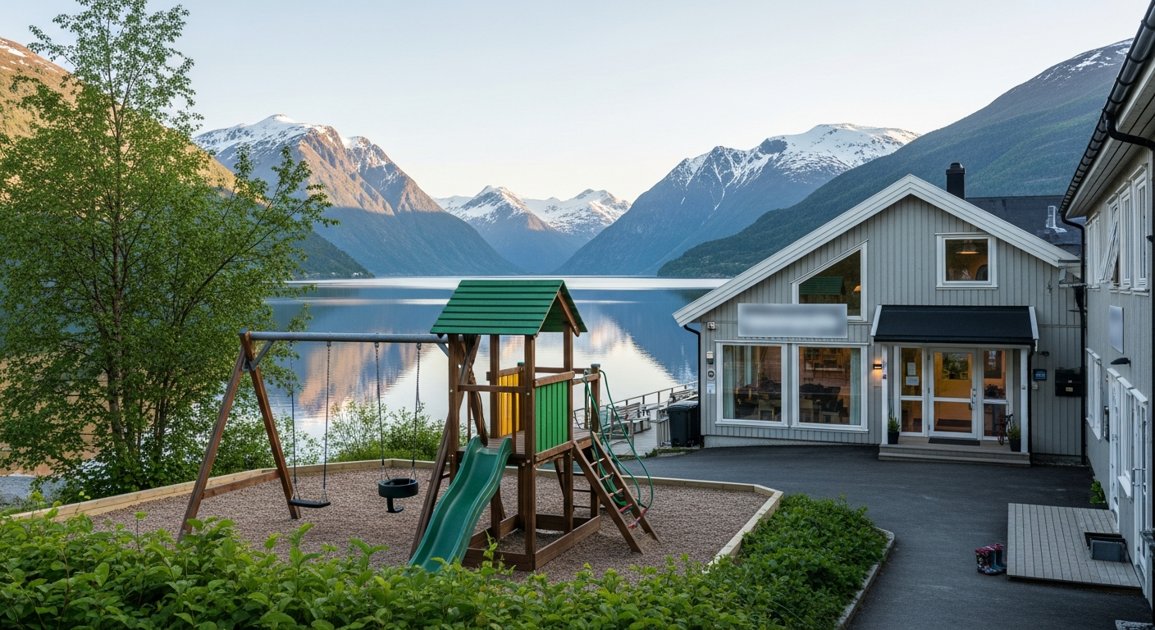
Norway allocates more per capita to early childhood education than almost any other OECD nation, spending approximately 1.3% of its GDP on a system that serves as the backbone of its labor market. Families planning on moving to Norway with children 2026 will find that the Norwegian barnehage (kindergarten) is not an optional luxury, but a core pillar of the nation’s social contract. Unlike the privatized, high-cost childcare models found in North America or the United Kingdom, the Norwegian system is designed to be universally accessible, heavily subsidized, and pedagogically focused on social development and outdoor play.
The Economic Reality: Comparing Costs and Subsidies
The most immediate impact of the barnehage system on a relocating family is the drastic reduction in household expenses. The Norwegian government sets a maximum price (makspris) for a full-time spot in a kindergarten, regardless of whether the facility is publicly or privately operated. This ensures that childcare costs never become a barrier to employment.
As of late 2024 and heading into 2025/2026, the maximum monthly fee is approximately 2,000 NOK. When compared to the average cost of childcare in London or New York—which can exceed 20,000 NOK per month—the savings for an expat family are substantial. Furthermore, families with multiple children receive a mandatory sibling discount: 30% off for the second child and 100% off (making it free) for the third child in many municipalities.
| Feature | Norwegian Barnehage (2026 Projections) | Typical High-Cost Urban Center (US/UK) |
|---|---|---|
| Monthly Cost (Max) | 2,000 NOK (~$190 / £150) | 15,000 - 25,000 NOK ($1,400 - $2,300) |
| Government Subsidy | ~85% of total operating cost | Minimal to 20% |
| Sibling Discounts | 30% (2nd), 100% (3rd+) | Variable, often 5-10% |
| Focus Area | Social play and nature | Academic preparation |
Strategic Planning for Moving to Norway with Children 2026
The barnehage system operates on a strictly regulated admission cycle. To secure a spot, you must understand the "Right to a Place" (Retten til plass). This legal right guarantees a spot in a kindergarten within your municipality, provided you meet specific criteria. For those moving to Norway with children 2026, the most critical date is March 1st.
The Annual Admission Cycle
The main admission period occurs once a year. To be guaranteed a spot for the start of the school year in August, you must submit your application through the local municipality (kommune) website by the March 1st deadline. If your child turns one year old between September and the end of November, you are still entitled to a spot by the month they turn one, but the application must still be submitted during the main window.
- January – February: Research local kindergartens in your target neighborhood. Public and private options follow the same pricing rules.
- March 1st: Deadline for the main admission round.
- April – May: Offers are sent out via the digital postbox (Helsenorge or Altinn).
- August: The kindergarten year begins.
The Requirement for a National Identity Number
A significant hurdle for international families is the requirement for a Norwegian National Identity Number (fødselsnummer) or a D-number to use the online application portals. If you are moving from outside the Nordic region, you cannot apply for this number until you have physically relocated and attended an appointment with the police or the Tax Office (Skatteetaten). If your move is scheduled for after March 1st, you may have to apply for "supplementary admissions," which are processed throughout the year based on availability.
Pedagogical Philosophy: Friluftsliv and Social Maturity
The Norwegian Framework Plan for Kindergartens emphasizes that early childhood is a phase of life with intrinsic value. There is a deliberate lack of formal desk-based schooling for children under the age of six. Instead, the focus is on friluftsliv (open-air life). It is standard practice for children to spend four to six hours outdoors every day, regardless of rain or snow. This outdoor focus is a primary reason why Norwegian children develop high levels of motor skills and resilience early in life.
When moving to Norway with children 2026, parents must invest in high-quality outdoor gear. A typical barnehage cubby will require wool base layers, waterproof rain suits, insulated winter coveralls (parkdress), and robust boots. The philosophy is simple: there is no such thing as bad weather, only bad clothing.
How Childcare Integrates with Work-Life Balance Laws
The barnehage system is designed to work in tandem with the Norwegian Working Environment Act. Most kindergartens operate from 07:30 to 16:30 or 17:00. This aligns with the standard 37.5-hour work week. In Norway, it is culturally expected—and legally protected—that parents leave work at 15:30 or 16:00 to pick up their children. There is no professional stigma attached to this; in fact, staying late is often viewed as a sign of poor time management rather than dedication.
Parental Rights for Sick Children
Relocating families often worry about how they will manage when their child inevitably falls ill during their first winter. Norwegian law provides a specific allotment of "sick child days" (omsorgsdager). Each parent is entitled to 10 days per year to stay home with a sick child (up to age 12), fully paid by the employer. If you have more than two children, this quota increases. This legal safety net ensures that your career stability is not compromised by the logistical realities of raising a family.
Step-by-Step Guide to the Application Process
- Secure your Residence Permit: For non-EU citizens, the UDI process can take several months. Begin this at least 6 months before your move.
- Register with the National Registry: Upon arrival, visit the Skatteetaten to get your ID number. This is the key to all digital services.
- Log in to the Kommune Portal: Every municipality (e.g., Oslo, Bergen, Stavanger) has its own portal. You can list up to three or five preferred kindergartens.
- Visit Potential Sites: Most kindergartens allow prospective parents to schedule a tour. Look for the ratio of pedagogical leaders to children (typically 1:3 for children under three).
- Accept the Digital Offer: Once an offer is made, you usually have 5-7 days to accept it online.
Frequently Asked Questions
What happens if I miss the March 1st deadline?
If you miss the deadline, you can still apply for "rolling admissions." While you lose the legal guarantee of a spot by August, many municipalities have vacancies, especially in newer residential areas. Private kindergartens may also have more flexibility in accepting children mid-year.
Is the barnehage taught in English?
The vast majority of kindergartens operate in Norwegian. This is the most effective way for expat children to integrate. Children at this age typically achieve functional fluency in Norwegian within six months. However, in major cities like Oslo and Stavanger, there are a few international kindergartens that use English as the primary language.
What is the 'Cash-for-Care' benefit (Kontantstøtte)?
If your child is between 13 and 19 months old and does not attend a state-subsidized barnehage, you may be eligible for a monthly tax-free payment called kontantstøtte. This is intended to help parents who choose to stay home longer or use private nannies, though the current political trend is moving toward phasing this out in favor of universal kindergarten attendance.
Do I have to pay for food in the barnehage?
Most kindergartens charge a small additional "food fee" (kostpenger) ranging from 300 to 800 NOK per month. This covers lunch, fruit, and milk. Some require children to bring a packed lunch (matpakke) for breakfast or certain days, while others have full-service kitchens.
How do I choose between a public and private kindergarten?
In Norway, there is very little difference in quality or cost between public (kommunal) and private (privat) kindergartens. Both must follow the same national Framework Plan and the same pricing caps. Private ones often have a specific niche, such as Montessori, Steiner, or an extra focus on sports or music.
Conclusion: A Foundation for Your New Life
The Norwegian barnehage system is more than just a childcare solution; it is a masterclass in social engineering that prioritizes family well-being over corporate output. By understanding the March 1st application deadline, the subsidies available, and the pedagogical focus on outdoor resilience, you can ensure your transition is managed with precision. As you prepare for moving to Norway with children 2026, remember that the system is designed to support you. By securing a place in a barnehage, you are not just finding a daycare—you are giving your children a seat at the table of one of the world's most equitable societies.
Ready to start your Norwegian relocation?
Navigating the UDI and municipality requirements can be complex. Download our 2026 Relocation Checklist to stay on track with your visa, housing, and barnehage applications.