How to Master Morocco’s Public Transport and Taxis in 2026
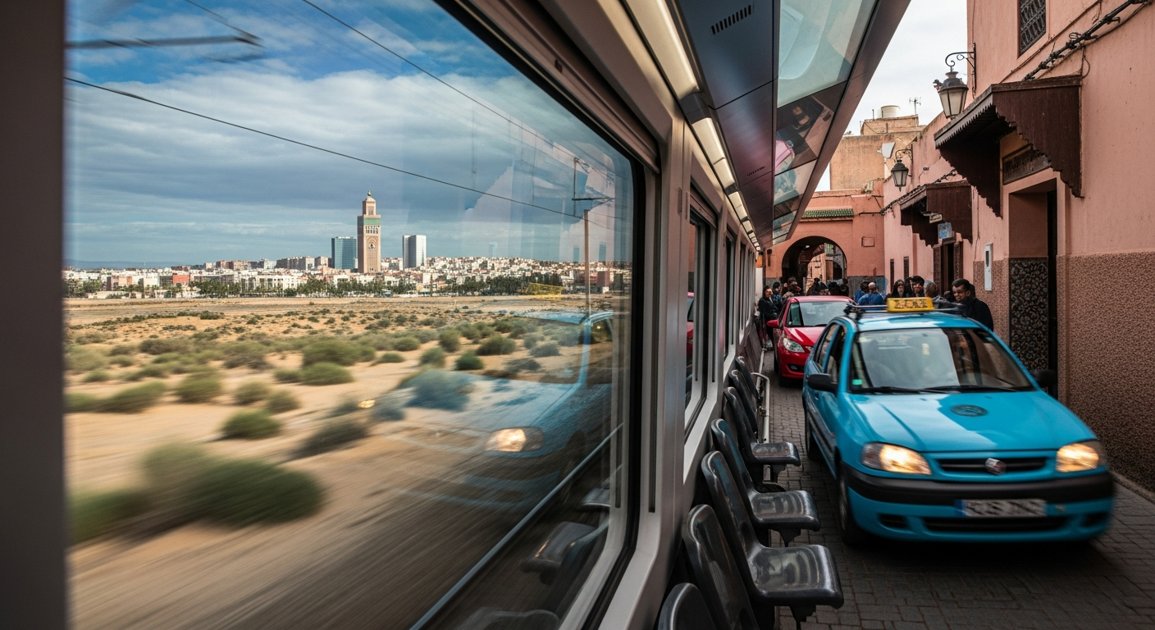
Morocco currently operates the fastest rail network on the African continent, a feat of engineering that has fundamentally restructured the logistics of moving between major economic hubs. As the country prepares for massive international events leading into 2030, the infrastructure has reached a level of sophistication that rivals many European nations. Navigating this landscape requires more than a simple map; it demands an understanding of the distinct, stratified systems that govern urban and intercity travel. This morocco public transport guide provides the technical data and practical insights needed to traverse the Kingdom efficiently in 2026.
Advanced Planning: A Comprehensive Morocco Public Transport Guide
To master the Moroccan transit system, one must first recognize the hierarchy of transport available. The system is divided into high-speed rail (Al Boraq), conventional rail (Al Atlas), intercity buses (CTM and Supratours), and the dual-tier taxi system. In 2026, the integration of digital payment systems and mobile applications has made these services more accessible, but the traditional nuances of negotiation and local etiquette remain vital for a successful relocation or extended stay.
The Al Boraq High-Speed Network
The Al Boraq is the crown jewel of Moroccan infrastructure. Operating at speeds of up to 320 km/h, it connects Tangier to Casablanca in just 2 hours and 10 minutes. By 2026, extensions toward Marrakech are well underway, significantly reducing travel times across the Atlantic corridor.
- Booking: Tickets should be purchased at least one week in advance via the ONCF (Office National des Chemins de Fer) website or app to secure the lowest fares.
- Classes: First-class offers wider seating, power outlets, and access to a dedicated lounge in Tangier and Casablanca Voyageurs stations. Second-class is efficient and comfortable for shorter durations.
- Punctuality: Unlike some other transit modes in the region, Al Boraq maintains a 95% on-time performance rate.
Technical Specifications: Your Morocco Public Transport Guide to Rail
While the high-speed line gets the headlines, the Al Atlas conventional trains serve the rest of the country, including Fes, Meknes, and Oujda. These trains are reliable but slower. In 2026, the ONCF has modernized much of the rolling stock, replacing older carriages with refurbished, climate-controlled units.
| Route | Service Type | Estimated Duration | Frequency |
|---|---|---|---|
| Tangier to Casablanca | Al Boraq (High Speed) | 2h 10m | Hourly |
| Casablanca to Marrakech | Al Atlas (Conventional) | 2h 45m | Every 2 hours |
| Casablanca to Fes | Al Atlas (Conventional) | 3h 50m | Hourly |
| Rabat to Tangier | Al Boraq (High Speed) | 1h 20m | Hourly |
Decoding the Taxi System: Petit vs. Grand Taxis
The most complex aspect of Moroccan transit for newcomers is the taxi system. It is strictly regulated but operates on logic that can feel counterintuitive to those used to Western-style private hires. Understanding the difference between Petit Taxis and Grand Taxis is non-negotiable for anyone living in or visiting the country.
Petit Taxis: The Urban Workhorse
Petit taxis are small vehicles (often Dacia Logans or Peugeots) restricted to operating within city limits. They are color-coded by city: red in Casablanca and Fes, blue in Rabat, ochre in Marrakech, and light blue in Tangier.
Rules of Engagement:
- The Meter (Compteur): Always ensure the driver turns on the meter. It is a legal requirement. If they refuse, it is best to exit the vehicle and find another. The phrase "le compteur, s'il vous plaît" is essential.
- Shared Rides: Petit taxis are allowed to pick up multiple passengers if they are heading in the same general direction. Each passenger pays according to the meter when they depart.
- Maximum Capacity: These vehicles are legally limited to three passengers.
- Night Surcharge: After 8:00 PM (or 9:00 PM in some cities), a 50% surcharge on the meter price is standard and legal.
Grand Taxis: The Intercity and Route-Specific Connectors
Grand taxis are typically larger sedans or seven-seater minivans. Unlike petit taxis, they are permitted to travel between cities and follow specific, set routes within large metropolitan areas.
- Fixed Routes: They operate like a flexible bus service. They depart from a specific "station" (often near bus or train terminals) once all seats are filled.
- Pricing: The price per seat is fixed. If you wish to depart immediately or want more space, you can pay for the remaining empty seats (buying the "course").
- Comfort levels: In 2026, the classic old Mercedes-Benz sedans have largely been replaced by modern Lodgy or Vito vans, making these much more comfortable for long-distance travel.
Navigating Urban Hubs: Your Morocco Public Transport Guide to Local Transit
In the major administrative and economic centers of Casablanca and Rabat, the tramway has become the preferred method of travel for professionals and expats. The systems are clean, modern, and high-frequency.
The Tramway Systems
Casablanca’s tramway network has expanded significantly as of 2026, now consisting of four main lines that connect the periphery to the city center and the beachfront. Rabat’s system connects the capital with its sister city, Salé, crossing the Bouregreg River.
- Ticketing: You can purchase rechargeable cards or single-use tickets at kiosks located at every station. Validation is mandatory before boarding; failure to do so results in an immediate fine from on-board inspectors.
- Operating Hours: Generally from 6:30 AM to 10:30 PM. Peak hours can be very crowded, so plan accordingly if you are carrying luggage.
- Accessibility: The tramways are the most accessible form of transport for individuals with limited mobility, featuring level-entry platforms.
Ride-Sharing and Digital Apps
While the legal status of ride-sharing has been a point of contention in the past, by 2026, a regulatory compromise has integrated apps like Heetch, Careem, and InDrive into the urban fabric. These apps often function as intermediaries for licensed taxis or premium private drivers.
- Heetch/Careem: These are generally the most reliable for pre-booked airport transfers or late-night travel when petit taxis are harder to flag down.
- InDrive: Popular for its "bid" system where you suggest a fare and drivers accept or counter. This is widely used in Marrakech and Casablanca but requires a firm understanding of what a fair price should be.
Intercity Bus Travel: CTM and Supratours
For regions not served by the rail network—such as the coastal town of Essaouira or the desert gateways of Ouarzazate and Merzouga—premium buses are the standard. CTM and Supratours are the two primary operators that provide a level of service suitable for international travelers and expats.
CTM (Compagnie de Transports au Maroc): CTM is the national carrier. Their "Premium" class buses offer extra legroom, Wi-Fi, and individual entertainment screens. They have dedicated terminals in major cities, which are safer and more organized than the general "Gare Routière" (public bus stations).
Supratours: This is the bus arm of the ONCF rail company. Their schedules are synchronized with train arrivals. For example, if you take the train to Marrakech, a Supratours bus will be waiting at the station to take passengers onward to Essaouira or Agadir on a single integrated ticket.
Strategic Advice for Relocators
If you are moving to Morocco in 2026, your transport strategy should depend on your specific city. In Casablanca, proximity to a tram line is often more valuable than owning a car due to extreme traffic congestion. In contrast, if you are based in a smaller city like Tangier or Agadir, relying on petit taxis is both cost-effective and efficient.
Always keep small denominations of Moroccan Dirhams (MAD). While high-speed trains and tramways accept credit cards and mobile payments, the vast majority of taxis remain cash-only. A stash of 10 and 20 DH notes will prevent the common "no change" excuse from drivers.
Frequently Asked Questions
Is public transport in Morocco safe for solo travelers?
Yes, public transport in Morocco is generally very safe. The Al Boraq trains, tramways, and CTM buses are highly regulated and frequently patrolled by security or staff. Standard precautions regarding personal belongings should be taken in crowded areas like the Casablanca tramway during rush hour.
How do I pay for transport in Morocco?
Payment methods vary by mode. Trains and tramways accept cash, credit cards, and have dedicated mobile apps. Buses like CTM also allow for online bookings with international cards. Taxis, however, are almost exclusively cash-based, though some ride-sharing apps allow for in-app credit card payments.
Do I need to tip taxi drivers in Morocco?
Tipping is not mandatory for petit taxis, but it is common practice to round up to the nearest 5 or 10 Dirhams. For example, if the meter reads 17 DH, giving 20 DH is appreciated. For grand taxis or long-distance private drivers, a small tip is standard if they assist with heavy luggage.
Can I take pets on Moroccan public transport?
Pets are generally restricted on most forms of public transport. ONCF trains allow small pets in carriers, subject to a fee. Trams and most city buses do not allow animals. Petit taxi drivers have the discretion to refuse or accept a passenger with a pet; it is best to ask before entering the vehicle.
What is the best way to get from the airport to the city center?
In Casablanca (CMN), the train located in Terminal 1 is the most efficient route to the city. In Marrakech (RAK), the Alsa Airport Bus runs every 20 minutes and is very affordable. In most other cities, a pre-arranged grand taxi or a ride-sharing app is the most reliable method for airport transfers.
Conclusion
Mastering Morocco’s transport system in 2026 is a matter of choosing the right tool for the specific task. Whether you are utilizing the high-speed Al Boraq for business travel between Tangier and Casablanca or navigating the bustling streets of Marrakech via a petit taxi, the infrastructure is designed to support rapid movement across the country. By prioritizing the meter in taxis, booking rail travel in advance, and utilizing the expanding tramway networks, you can navigate Morocco with the confidence of a seasoned resident. The investment in these systems has transformed the Kingdom into one of the most mobile-friendly destinations in the region, providing a reliable foundation for any relocation or extended stay.