The Real Cost of Living in New Zealand in 2026: A Data-Driven Guide to the ‘Sunshine Tax’, Weekly Rents, and Grocery Duopolies
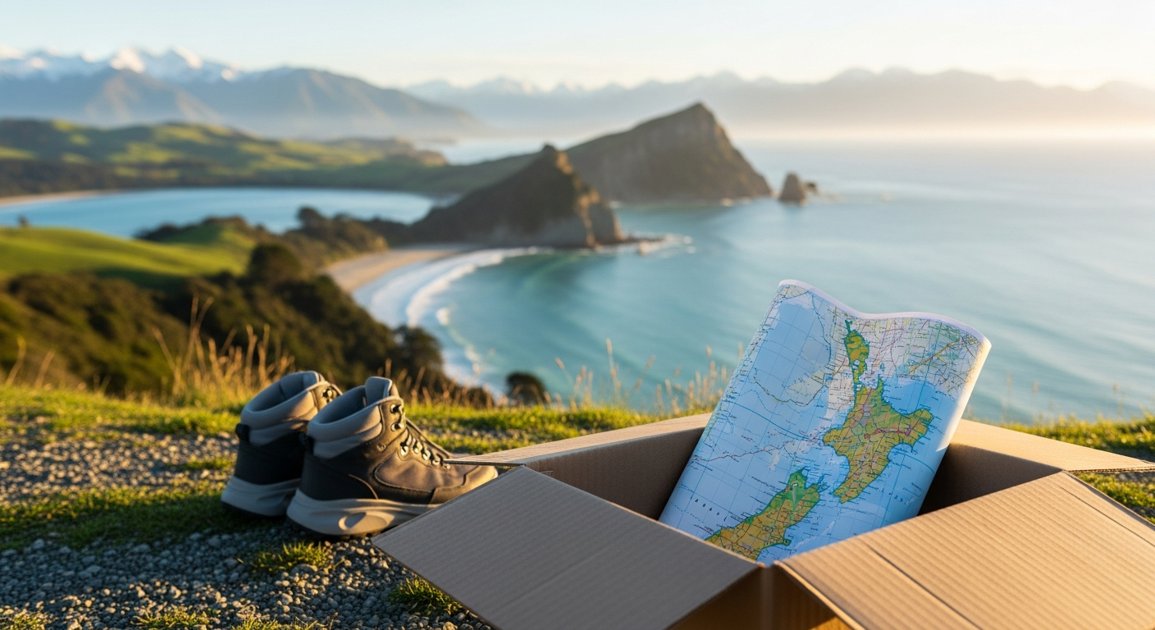
The Price of Paradise: Why the Sunshine Tax Still Matters
New Zealand consistently ranks as one of the most desirable places to live globally, but this reputation comes with a significant financial caveat often referred to by locals as the "Sunshine Tax." This term describes the disparity between the high cost of goods and services and the relatively modest salaries compared to other OECD nations. Anyone moving to new zealand cost of living 2026 must understand that budgeting here is not just about converting currency; it is about adjusting to a unique economic ecosystem defined by isolation, a grocery duopoly, and a housing market that operates on a weekly cycle.
By 2026, the economic landscape in New Zealand has stabilized following the inflationary shocks of the early 2020s, yet the structural drivers of high costs remain. As an island nation located thousands of kilometers from its primary trading partners, import costs and freight remain the primary engines of price inflation. This guide breaks down the data-driven reality of what it costs to live, work, and thrive in the Land of the Long White Cloud.
Housing and Accommodation: The Weekly Budgeting Shift
The most immediate culture shock for new arrivals is the rental system. Unlike the United States or much of Europe, rent in New Zealand is quoted and paid weekly. This significantly impacts cash flow management. Furthermore, many New Zealand homes—particularly older "villas"—were not historically built with central heating, making the "Healthy Homes" standards introduced in the 2020s a critical factor in your property search.
Regional Rental Disparities
Where you choose to land will be the single largest factor in your cost of living. While Auckland and Wellington remain the most expensive, regional centers like Tauranga and Queenstown have seen costs surge due to limited supply and high tourism demand.
| City | 3-Bedroom House (Weekly) | 1-Bedroom Apartment (Weekly) |
|---|---|---|
| Auckland (Central) | $850 - $1,100 | $550 - $650 |
| Wellington | $800 - $950 | $520 - $600 |
| Christchurch | $600 - $750 | $420 - $500 |
| Dunedin | $550 - $680 | $380 - $450 |
| Queenstown | $950 - $1,300 | $650 - $800 |
In addition to the rent, you must budget for a bond, which is legally capped at four weeks' rent, plus one or two weeks' rent in advance. By 2026, the median rental price across the country has risen by approximately 4% annually, reflecting the ongoing pressure of a growing population against a slow-moving construction sector.
Understanding the Grocery Duopoly
Food costs in New Zealand are notoriously high. This is largely attributed to a market duopoly between two major entities: Woolworths New Zealand and Foodstuffs (which operates New World and PAK'nSAVE). While the government has introduced a Grocery Commissioner to encourage competition, prices for staples remain higher than in Australia or the UK.
Strategic Shopping Advice
To mitigate the moving to new zealand cost of living 2026 impact on your pantry, follow these three rules:
- Shop Seasonally: New Zealand’s strict biosecurity laws mean many fruits and vegetables are grown locally. Buying out of season (e.g., tomatoes in July or strawberries in winter) can see prices triple.
- The PAK'nSAVE Factor: This "no-frills" supermarket is consistently 10-15% cheaper than its competitors. Households that shop here vs. New World can save upwards of $3,000 NZD per year.
- Local Markets: Most cities have weekend farmer's markets. These are not just for organic treats; they are often the most affordable place to buy bulk produce and eggs.
Average Weekly Grocery Basket (Family of Four, 2026 Estimates)
Expect to spend between $280 and $380 NZD per week for a family of four. For a single professional, a realistic budget is $120 - $160 NZD per week, assuming you cook most meals at home.
Utilities, Connectivity, and the Hidden Costs of Comfort
Electricity is a major expense, particularly during the winter months (June through August). Most New Zealand homes rely on heat pumps for climate control. While efficient, they can lead to monthly winter bills of $300 - $500 NZD for a medium-sized family home.
Standard Utility Costs (Monthly)
- Electricity/Gas: $200 - $350 (averaged across the year).
- Broadband (Unlimited Fibre): $90 - $110.
- Mobile Plan (Unlimited Data): $60 - $80 per person.
- Water: In some regions (like Auckland), water is billed separately, averaging $80 - $100.
Transportation: The Necessity of a Vehicle
Outside of central Wellington and Auckland, New Zealand’s public transport infrastructure is limited. Most residents find a car essential. Fuel prices are heavily taxed to fund infrastructure projects, and in 2026, you can expect to pay between $2.90 and $3.30 NZD per liter for 91-octane petrol.
If you are relocating, consider an Electric Vehicle (EV) or Hybrid. Although the "Clean Car Discount" schemes of previous years have evolved, the long-term savings on fuel remain significant, especially since New Zealand generates over 80% of its electricity from renewable sources.
The Salary Gap: Managing Your Purchasing Power
While the moving to new zealand cost of living 2026 is high, salaries have not always kept pace with global financial hubs. The median annual income in New Zealand currently sits around $72,000 - $78,000 NZD. However, specialized roles in IT, engineering, and healthcare often command upwards of $120,000 NZD.
Taxation and Take-Home Pay
New Zealand uses a PAYE (Pay As You Earn) tax system. For a person earning $80,000 NZD:
- Income Tax: Approximately $17,000.
- ACC Levy: About $1,200 (this covers no-fault personal injury insurance).
- Kiwisaver: Most employees contribute 3%, 4%, or 8% to their retirement fund, which is matched by a 3% employer contribution.
It is crucial to calculate your net income rather than your gross salary when planning your relocation budget. A $100,000 salary sounds substantial, but after tax and Kiwisaver, your weekly take-home pay is roughly $1,400 NZD—half of which could easily go toward rent in a major city.
Healthcare and Education
One area where New Zealand offers significant savings compared to the United States is healthcare. Residents and those on work visas valid for two years or more have access to a subsidized public healthcare system. While GP visits typically cost between $50 and $70 NZD, hospital care and emergency services are free at the point of use.
Public schooling is also state-funded, though most schools request an annual "voluntary donation" ranging from $200 to $800 per student. Private schooling remains an option for those with higher budgets, with fees ranging from $20,000 to $35,000 NZD per year.
Sample Monthly Budget for 2026 (Couple in Auckland)
| Expense Category | Estimated Cost (NZD) |
|---|---|
| Rent (2-bedroom apartment/unit) | $2,800 |
| Groceries & Household Goods | $1,100 |
| Utilities (Power/Internet/Mobile) | $450 |
| Transport (Fuel/Insurance/Public Transport) | $500 |
| Dining Out & Entertainment | $600 |
| Total Monthly Outgoings | $5,450 |
Strategies for Financial Success
To thrive after relocating, you must be proactive. Start by negotiating your salary with the high cost of living in mind. Do not accept a salary that mirrors your home country's rate without checking its New Zealand purchasing power. Second, prioritize living closer to work to reduce fuel costs, even if it means a slightly higher rent. The time and money saved on commuting in cities like Auckland is often worth the premium.
Finally, leverage the lifestyle. New Zealand’s greatest assets—beaches, national parks, and hiking trails—are free. Those who find the cost of living manageable are usually those who trade expensive city-based entertainment for the country's natural offerings.
Frequently Asked Questions
Is New Zealand more expensive than Australia?
Generally, yes. While housing prices in Sydney and Melbourne are comparable to Auckland, Australian salaries are typically 15-25% higher, and grocery costs are lower due to more competition and a larger domestic market.
How much money should I save before moving?
It is recommended to have at least $15,000 - $20,000 NZD in liquid savings for a single person, or $30,000 NZD for a family. This covers initial rental bonds, a used vehicle, and the first two months of living expenses while you settle into a new role.
Are there hidden taxes I should know about?
New Zealand has a 15% Goods and Services Tax (GST) which is included in the displayed price of almost everything. Unlike in the US, the price you see on the tag is what you pay at the register. There are no inheritance taxes or general capital gains taxes on primary residences.
Is private health insurance necessary?
While the public system is excellent for emergencies, private insurance (costing about $100-$200 a month for a couple) allows you to bypass long waitlists for non-urgent elective surgeries and provides more options for specialist care.
Conclusion
Successfully navigating the financial realities of New Zealand requires a shift in perspective. You are not just paying for a place to live; you are paying for safety, political stability, and unparalleled access to nature. By understanding the nuances of weekly rents, the grocery duopoly, and the regional variations in costs, you can build a sustainable life in Aotearoa. The Sunshine Tax is real, but for those who plan with data-driven precision, the quality of life returns are well worth the investment.
Planning Your Move?
Navigating visa requirements and international shipping is the next step in your relocation. For personalized advice on managing your transition and securing your financial future in New Zealand, consult with a licensed immigration advisor today.