How to Use Argentina’s SUBE Card and Public Transit in 2026
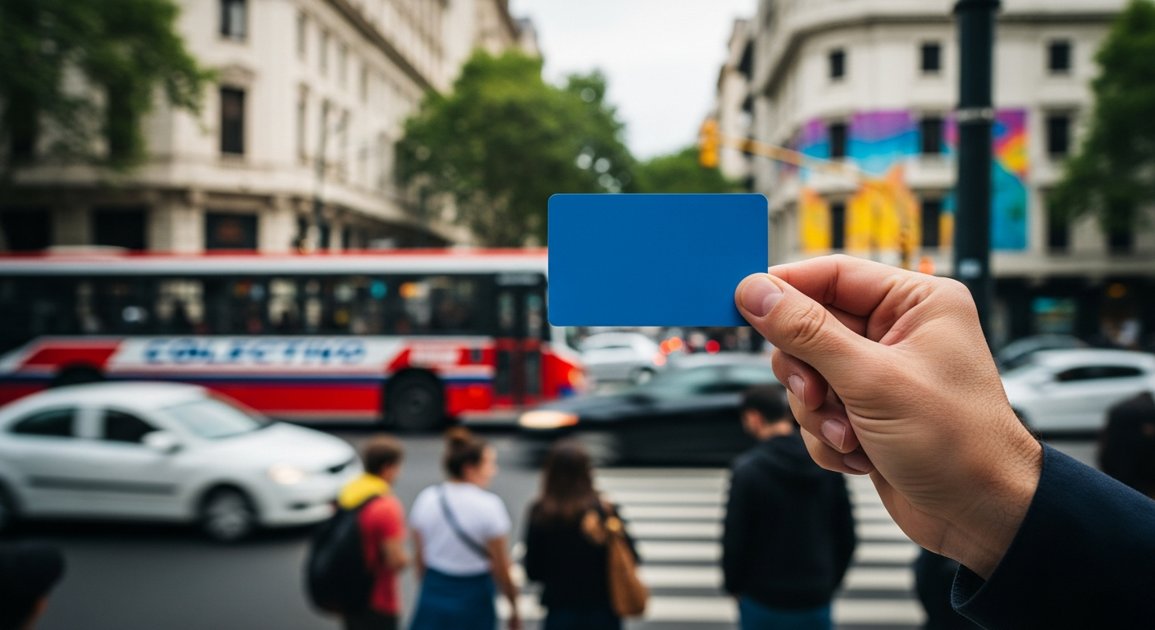
Argentina’s public transportation network is one of the most comprehensive and heavily utilized systems in Latin America, moving millions of passengers daily through a complex web of buses, trains, and subways. As of 2026, the Sistema Único de Boleto Electrónico, or SUBE card, remains the indispensable tool for navigating this infrastructure. Understanding how to use sube card argentina is not merely a convenience for travelers and expats; it is a logistical necessity, as cash payments have been entirely phased out on nearly all public transit lines nationwide. This guide provides a technical breakdown of acquiring, registering, and maximizing the utility of the SUBE system in the current year.
The Essential Hardware: Acquiring Your SUBE Card
In 2026, obtaining a physical SUBE card is the first step for any newcomer. While digital versions are gaining traction, the physical plastic card remains the most reliable method, especially when traveling between different provinces where infrastructure updates vary. You can purchase a card at designated 'Puntos SUBE,' which include specialized kiosks, post offices (Correo Argentino), and major train terminals such as Retiro, Constitución, and Once in Buenos Aires.
The cost of the card is adjusted periodically based on inflation and manufacturing costs. Upon purchase, the card will have a zero balance. You must load funds before your first trip. Look for the blue SUBE signage in shop windows to identify authorized sellers. In 2026, many kiosks also offer 'SUBE Digital' support, but having the physical card is recommended as a backup for instances where mobile device batteries fail or NFC readers are temperamental.
Step-by-Step Instructions on How to Use SUBE Card Argentina for New Residents
Once you have the card in hand, registration is the most critical step. In 2026, the Argentine government enforces a tiered pricing structure where registered cards pay significantly lower fares than unregistered ones. For expats and long-term visitors, failing to register can result in paying double the standard fare for every trip.
1. Online Registration
To register, visit the official SUBE website or use the mobile application. You will need your DNI (National Identity Document) if you are a resident. For tourists and temporary relocation residents, you can register using your passport number. This process links your identity to the card’s unique 16-digit number. This registration also allows you to recover your balance if the card is lost or stolen—a vital feature for those relying on the card for daily commutes.
2. Loading Funds (Carga de Saldo)
There are three primary ways to add money to your card in 2026:
- Physical Loading: Hand cash to a kiosk attendant at a 'Punto SUBE.' This is the most traditional method and provides an immediate balance update.
- Digital Loading: Use the SUBE app, home banking, or digital wallets like Mercado Pago. After paying digitally, you must 'accredit' the balance.
- Carga a Bordo: By 2026, the 'Load on Board' feature is standard on all buses. If you top up via an app, you can simply tap your card on the bus validator and ask the driver to validate your 'carga virtual' before paying your fare.
3. Understanding the Negative Balance
The SUBE card features a 'saldo negativo' or emergency buffer. If you run out of funds, the card allows you to continue traveling up to a certain limit (equivalent to roughly four or five short-distance bus rides in 2026 prices). This amount is automatically deducted the next time you load funds. This feature is a crucial safety net for commuters.
Navigating the 'Colectivo' (Bus) Network
The 'colectivo' is the primary mode of transport in Argentine cities. Unlike systems in Europe or North America where you might tap a flat fare, Argentina uses a distance-based or zone-based system. The following table illustrates the typical fare structure seen in 2026 (note: actual prices fluctuate, but the ratios remain consistent).
| Distance (km) | Registered Fare (ARS) | Unregistered Fare (ARS) |
|---|---|---|
| 0 - 3 km | Base Rate | 2x Base Rate |
| 3 - 6 km | Base + 15% | 2x Base + 15% |
| 6 - 12 km | Base + 25% | 2x Base + 25% |
| 12 - 27 km | Base + 40% | 2x Base + 40% |
When you board a bus, you do not tap immediately. You must tell the driver your destination (either the cross-streets or a specific landmark). The driver will then program the fare on the terminal, and only when the terminal lights up should you tap your card. In 2026, most buses are equipped with high-speed validators that process the transaction in less than a second.
How to Use SUBE Card Argentina on the Subte and Regional Trains
The Subte (subway) in Buenos Aires operates on a flat-fare system regardless of distance. You tap your card at the turnstile upon entry. However, the train system (Trenes Argentinos) is different. For trains such as the Mitre, Roca, or Sarmiento lines, you must tap your card at the starting station AND again at the destination station. If you fail to tap out, the system will charge you the maximum possible fare for that line.
The Red SUBE Discount System
One of the most beneficial aspects of the system in 2026 is 'Red SUBE,' an integrated discount program for multi-leg trips. This system automatically applies discounts when you make transfers within a two-hour window:
- First Trip: Full Price.
- Second Trip: 50% Discount.
- Third Trip: 75% Discount.
This applies to combinations of buses, trains, and subways, provided you are using a registered card. It is capped at five transfers within the two-hour period. This makes long-distance commutes across the AMBA (Metropolitan Area of Buenos Aires) significantly more affordable.
Regional Variations and SUBE Digital
While the SUBE card originated in Buenos Aires, it is now the standard in over 50 cities across Argentina, including Mendoza, Mar del Plata, San Carlos de Bariloche, and Ushuaia. Each city may have its own fare rules, but the card itself is universal. If you have funds on your card from Buenos Aires, they are valid for a bus in Salta.
In 2026, 'SUBE Digital' has been expanded. Users with NFC-enabled Android smartphones can pay directly with their phones. To use this, you must download the SUBE app, enable the digital card feature, and ensure your phone is unlocked when approaching the validator. This eliminates the need for physical plastic, though it currently does not support the same 'negative balance' depth as the physical card.
Maintenance and Troubleshooting
If your card stops working, it is likely due to physical damage to the internal chip or antenna. Do not bend or punch holes in the card. If the card is unreadable, you must visit a 'Centro de Atención SUBE' with your ID. They can transfer your remaining balance to a new card, though there is typically a 24-to-48-hour delay for the balance to synchronize across the cloud-based system.
Checking your balance is straightforward. You can do so at 'Terminales Automáticas' (small blue totems located in stations and banks), via the SUBE app, or by asking the bus driver (though the latter is discouraged during peak hours to avoid delaying the line).
Frequently Asked Questions
Can I pay for multiple people with one SUBE card?
Technically, yes, on buses and the Subte. However, the 'Red SUBE' discounts for transfers will only apply to the first person. Additionally, if the card is registered for a 'Tarifa Social' (government subsidy), it is strictly for personal use, and allowing others to use it can result in the card being blocked.
What should I do if I lose my SUBE card?
Log in to your account on the official SUBE website or app immediately and report it as lost. This freezes the balance. You can then purchase a new card and link it to your account to reclaim the funds from the old one.
Does the SUBE card expire?
The card does not have a formal expiration date. However, if a card is inactive for a period of two years, the account may be marked as dormant. Loading a new balance typically reactivates it without issue.
Can I use credit cards or QR codes instead of SUBE?
By 2026, some private bus lines and specific city subways have begun trialing open-loop payments (contactless credit cards) and QR codes. However, these methods usually do not qualify for the 'Red SUBE' discounts or the registered-user fare, making the SUBE card the most cost-effective option.
Conclusion
Mastering the SUBE system is an essential skill for anyone living in or visiting Argentina in 2026. By ensuring your card is properly registered, taking advantage of the Red SUBE transfer discounts, and utilizing digital top-up methods, you can navigate the country’s vast transit network with high efficiency. While the system requires an initial setup of identity verification and digital synchronization, the long-term savings and ease of movement make it the most practical choice for urban and regional travel. Keep your card loaded, respect the queue at the bus stop, and always remember to tap out at train stations to ensure your transit experience remains cost-effective and smooth.
Professional Relocation Support
Planning a move to Argentina? Navigating public transit is just the beginning. Our consultancy provides detailed relocation guides, residency assistance, and local logistical support to ensure your transition is managed with precision. Contact us today for a comprehensive consultation on establishing your new life in Argentina.