5 Social Customs You Must Know Before Moving to Argentina 2026
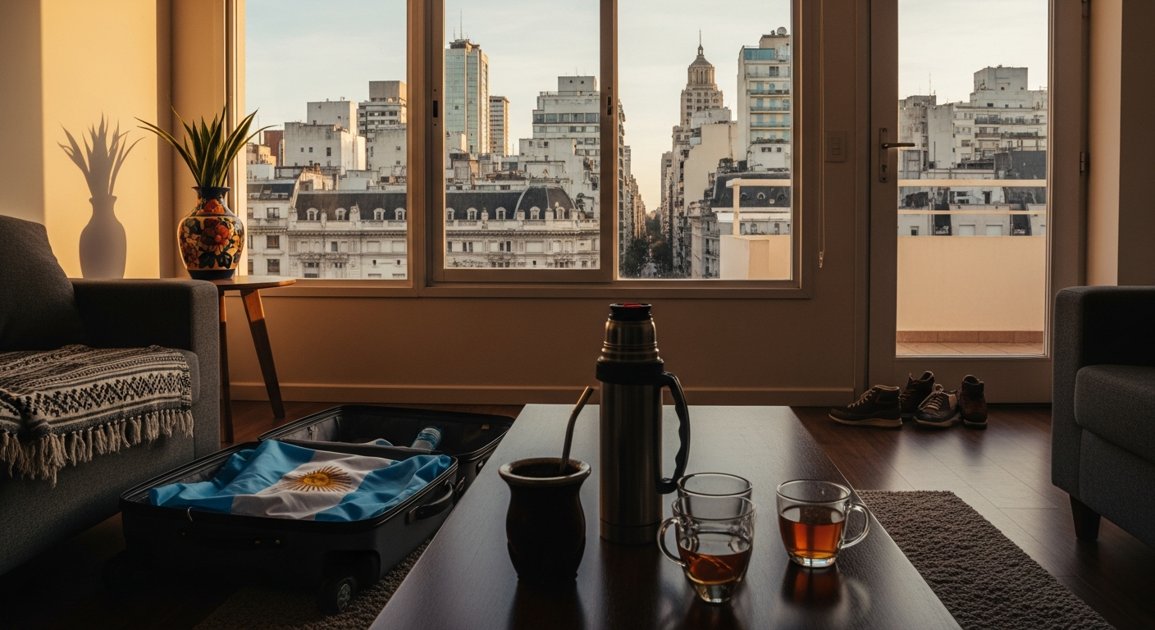
The Social Landscape of 2026 Argentina
Argentina maintains one of the highest numbers of psychologists per capita in the world, a statistic that reflects a national obsession with communication, introspection, and interpersonal relationships. For those planning a relocation, understanding argentina social customs for expats is as critical as navigating the immigration system or securing a rental contract in Palermo. In 2026, despite the global shift toward digital-first interactions, Argentina remains a high-touch society where physical presence, long conversations, and specific ritualistic behaviors dictate one’s social standing and professional success. This guide provides a technical breakdown of the cultural pillars you must adopt to integrate into Argentine society effectively.
1. The Ritual of Greeting: The 'Beso' and Physical Proximity
In Argentina, personal space is significantly smaller than in North America or Northern Europe. The standard greeting is a single kiss on the right cheek (the beso). This is not a lingering kiss but rather a brief touch of cheeks accompanied by a light kissing sound. In 2026, this remains the gold standard for social and increasingly semi-professional interactions.
Navigating Argentina Social Customs for Expats: The Greeting Protocol
Expats often find the transition from a handshake to a kiss difficult to time. Follow these rules to avoid awkwardness:
- Men greeting women: Always a kiss on the right cheek, regardless of whether it is the first time you are meeting.
- Women greeting women: Always a kiss on the right cheek.
- Men greeting men: In social settings, a kiss is standard. In formal business meetings between strangers, a firm handshake is used, but this often transitions to a kiss or a 'half-hug' (the abrazo) by the second or third meeting.
- The Group Greeting: When entering a room, it is considered rude to give a general "hello" to the group. You are expected to walk around and greet each person individually. The same applies when leaving.
| Setting | Primary Greeting | Physical Contact Level |
|---|---|---|
| First Business Meeting | Handshake | Moderate |
| Social Gathering | Beso (Cheek Kiss) | High |
| Close Friends/Family | Beso + Abrazo | Very High |
| Formal Government Office | Handshake | Low |
2. The 'Sobremesa': The Art of Post-Meal Conversation
One of the most significant cultural shocks for expats is the concept of sobremesa. Translated literally as "over the table," it refers to the period after a meal has ended when diners stay seated to talk. In Argentina, the act of eating is merely a prelude to the conversation. Asking for the check (la cuenta) immediately after the last bite of dessert is perceived as a sign that you are bored with the company or in a rush, both of which are social slights.
In a business context, the sobremesa is where the actual rapport is built. While the meal may involve light talk about the economy or industry trends, the sobremesa is when personal trust is solidified. In 2026, as remote work becomes more prevalent, these face-to-face dining rituals have become even more valued as markers of genuine professional commitment.
Effective Sobremesa Management
- Expect the Duration: Budget at least 45 to 90 minutes for conversation after the food is cleared.
- Do Not Look at Your Phone: Checking your device during sobremesa is considered highly disrespectful.
- Wait for the Host: In a private home, the host will signal the end of the sobremesa by offering coffee or a digestif (like Fernet or Lemoncello), or eventually by standing up.
- The Restaurant Check: In Argentine restaurants, waiters will never bring the bill unless you explicitly ask for it. They view bringing an unsolicited bill as an act of kicking the guest out.
3. Essential Argentina Social Customs for Expats: The Mate Circle
Mate (pronounced mah-teh) is not just a caffeinated infusion; it is a social glue that transcends class, age, and geography. While the 2020s saw a temporary shift toward individual mate gourds for hygiene reasons, the communal circle has fully returned to its status as a central social ritual in 2026. Understanding the hierarchy and rules of the mate circle is essential for any expat looking to build local friendships.
The Rules of the Mate Circle
- The Cebador (The Server): One person is responsible for preparing the mate and pouring the water. This person always drinks the first mate (which is the most bitter) and then passes the gourd to the next person.
- The Direction: The gourd always moves in a specific order, usually clockwise. Do not skip people.
- The Straw (Bombilla): Never, under any circumstances, use the straw to stir the yerba. This is the quickest way to identify yourself as an uncultured outsider. The cebador sets the straw, and it stays there.
- The Meaning of "Gracias": Only say "gracias" when you do not want any more mate. If you say it after your first turn, the cebador will skip you in all subsequent rounds.
- Pace: Drink the entire contents of the gourd until it makes a slurping sound, then hand it back to the cebador.
4. Mastering Argentina Social Customs for Expats: Punctuality and 'La Hora Argentina'
Time in Argentina is fluid. This is perhaps the most frustrating adjustment for expats from clock-oriented cultures. However, punctuality is not ignored; it is simply contextual. Understanding when to be on time and when to be late is a sophisticated social skill required for successful integration.
The Punctuality Matrix
For a professional meeting scheduled for 10:00 AM, you should arrive at 10:00 AM or 10:05 AM. Being more than 15 minutes late without a text message is seen as unprofessional. However, for social events, the rules change entirely:
- Dinner at a Home: If invited for 9:00 PM, do not arrive before 9:30 PM. Arriving at 9:00 PM may find your host still in the shower.
- Parties/Large Gatherings: Arriving 60 to 90 minutes after the stated start time is standard.
- Weddings/Gala Events: These often follow a strict schedule for the ceremony but a very loose one for the reception.
In 2026, traffic in major hubs like Buenos Aires, Córdoba, and Rosario remains a valid and frequently used excuse for lateness. When navigating these cities, always allow a 20-minute buffer for spontaneous protests or infrastructure delays, but do not expect your Argentine counterparts to do the same.
5. The Asado: More Than a Barbecue
The asado is the quintessential Argentine social event. It is a slow-cooked barbecue ritual that can last an entire afternoon or evening. For an expat, being invited to an asado is a sign that you are moving from an acquaintance to a friend. There is a specific etiquette to these gatherings that must be respected to maintain social harmony.
Asado Etiquette for Newcomers
- Don't Interfere with the Asador: The asador (the person cooking) is the absolute authority at the grill. Do not offer advice on the fire, the meat, or the timing. This is considered an insult to their skill.
- The Order of Service: Meat is served in stages. It usually starts with achuras (offal like sweetbreads or chitterlings), followed by chorizo and morcilla (sausages), then the primary cuts of beef (like tira de asado or vacío), and finally salad. Don't fill up on bread and sausage early on.
- The Applause: At some point toward the end of the meal, someone will shout, "Un aplauso para el asador!" (A round of applause for the cook). You must join in enthusiastically.
- Contributions: If invited to an asado, always ask what you can bring. Usually, the host provides the meat, and guests bring wine, soda, or a dessert. In 2026, high-quality Malbec from Mendoza or a craft vermouth remains the preferred contribution.
Regional Variations to Consider
While the customs above are generally applicable nationwide, regional nuances exist. In the northern provinces like Salta and Jujuy, social interactions are slightly more formal and reserved compared to the boisterous nature of Porteños (residents of Buenos Aires). In the Patagonia region, social life often revolves around outdoor activities, and the 'beso' might be accompanied by more heavy-duty winter gear, but the warmth of the interaction remains the same.
Communication Style: Directness and 'The Argentine No'
Argentines are known for being direct, opinionated, and passionate. They enjoy debating politics, football, and the economy. As an expat, do not be offended if someone asks you personal questions about your salary, your rent, or your marital status within the first hour of meeting; this is seen as taking a genuine interest in your life rather than being nosy.
Conversely, Argentines often struggle with a "direct no" when it comes to social invitations. If someone says, "We should get coffee sometime" (Tendríamos que tomar un café) without suggesting a specific day or time, it is often a polite pleasantry rather than a firm commitment. Integration requires learning to distinguish between a genuine invitation and social filler.
Conclusion
Successful relocation to Argentina in 2026 depends less on your ability to navigate the local bureaucracy and more on your willingness to embrace the local rhythm of life. By mastering the nuances of the beso, respecting the sacred time of the sobremesa, and participating correctly in the mate circle, you demonstrate a level of cultural respect that is highly valued. Argentine society is built on the strength of personal bonds; prioritize these social customs, and you will find a community that is fiercely loyal and incredibly welcoming. Focus on being present, being patient with the flexible concept of time, and always leaving room for one more conversation after the meal is done.
Are you planning a move to Argentina?
Ensure your relocation is handled with expert precision. From residency visas to neighborhood selection, our consultancy provides data-driven advice for expats moving to the Southern Cone in 2026. Contact us today to schedule a consultation and begin your transition with confidence.