The Real Cost of 'Happiness' in Finland: A 2026 Guide to Social Safety Net Tiers, High-Efficiency Winter Living, and the 'Sisu' Integration Model
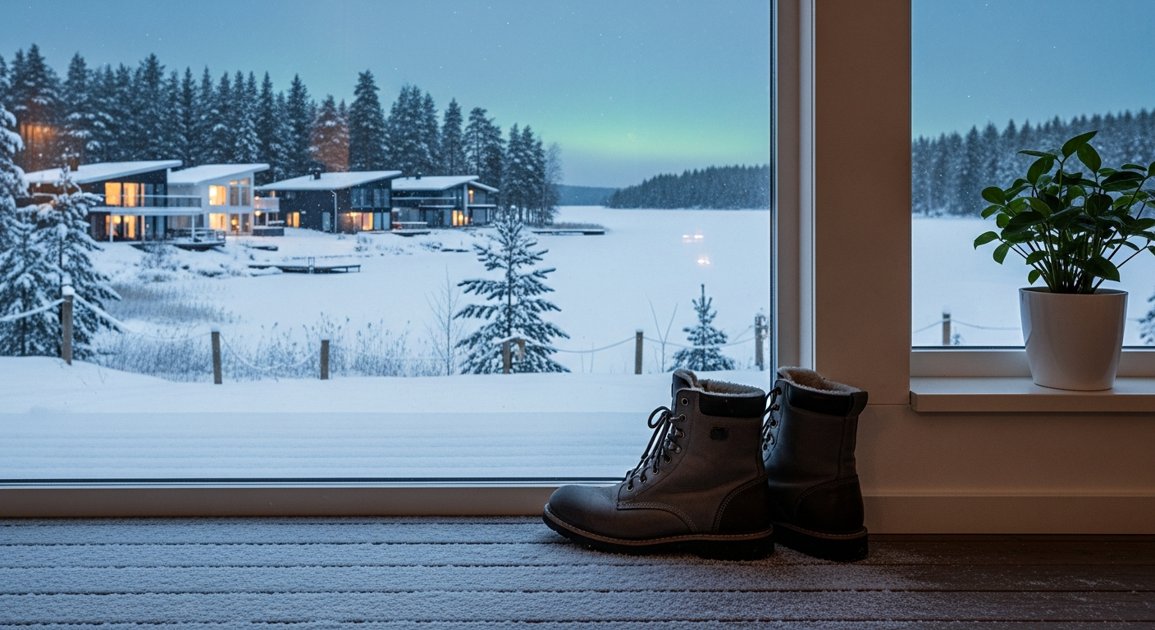
Finland has consistently ranked as the world’s happiest country for nearly a decade, yet this "happiness" is a misnomer for what is actually a highly functional, expensive, and predictable social infrastructure. For those planning on moving to finland cost of living 2026 requires a move away from superficial rankings and toward a granular understanding of how high taxation translates into personal financial security. In 2026, the Finnish economy continues to balance the pressures of an aging population with a robust commitment to carbon neutrality and digital governance. Relocating here is not merely a change of scenery; it is a calculated investment in a system where the state absorbs many of the risks typically born by the individual.
Decoding the Moving to Finland Cost of Living 2026: Tax vs. Value
To understand the fiscal reality of Finland, one must look past the gross salary and focus on the net utility of the tax euro. In 2026, progressive income tax rates remain high, ranging from roughly 20% to over 50% for high earners. However, this is not lost capital. It is a subscription fee to a society where out-of-pocket expenses for healthcare, education, and childcare are virtually non-existent or heavily capped.
For a family of four, the absence of private school tuition and the low cost of daycare (municipal fees are capped based on income) can represent a monthly saving of €1,500 to €3,000 compared to the United States or the United Kingdom. When calculating your budget for 2026, you must factor in the Kela (Social Insurance Institution of Finland) benefits. Even as a resident alien, once you are registered in the population system and have a permanent address, you enter a tier-based support system that provides child benefits, housing allowances if income drops, and comprehensive unemployment security.
The 2026 Pricing Index: Essential Commodities
Inflationary pressures have stabilized by 2026, but Finland remains one of the more expensive EU member states for consumer goods. Below is a breakdown of expected monthly costs for a single professional and a family of four in the Helsinki Metropolitan Area (HMA) versus secondary cities like Tampere or Oulu.
| Expense Category | Single Pro (Helsinki) | Family of 4 (Tampere) |
|---|---|---|
| Rent (1BR vs 3BR) | €950 - €1,300 | €1,400 - €1,800 |
| Groceries | €400 - €500 | €900 - €1,200 |
| Transport (Public) | €70 (HSL Zone AB) | €180 (Family Pass) |
| Utilities & Internet | €100 | €250 |
| Leisure/Dining | €300 | €500 |
| Total Estimated | €1,820 - €2,270 | €3,230 - €3,930 |
High-Efficiency Winter Living: Managing Energy and Logistics
A significant portion of the moving to finland cost of living 2026 is dictated by the climate. Finland has pioneered high-efficiency winter living, which means that while external temperatures may drop to -25°C, internal environments remain a constant 21°C. Most Finnish apartments are connected to kaukolämpö (district heating), where waste heat from industrial processes is used to warm residential blocks.
District Heating and Energy Budgets
When selecting a property, it is vital to check the energy certificate (energiatodistus). Buildings constructed after 2015 are highly insulated and often feature triple-glazing as a standard. In 2026, many newer developments also utilize geothermal heat pumps, significantly lowering the monthly utility bill. For those renting, heating is often included in the rent (vesimaksu or water fee is usually separate, around €20-25 per person). If you choose a detached house (omakotitalo), energy management becomes your primary logistical challenge. Expect to spend €200 to €400 per month on electricity and heating during the peak winter months (December–March).
The Winter Equipment Investment
One overlooked relocation cost is the initial investment in high-quality winter gear. In Finland, there is a pragmatic saying: "There is no bad weather, only bad clothing." To function efficiently, you will need a technical parka, merino wool base layers, and insulated, high-grip boots. A full set of quality gear for one adult will cost approximately €600 to €1,000. While this is a high upfront cost, the durability of these items ensures they last for several seasons, making the annual cost negligible.
The 'Sisu' Integration Model: Navigating the Labor Market
Sisu is a Finnish concept often translated as grit or stoic determination. In the context of relocation, it refers to the psychological and logistical resilience required to integrate into a society that values privacy and competence above small talk. By 2026, the Finnish labor market has become more internationalized, particularly in technology, gaming, and green energy sectors, but the "hidden" job market remains a hurdle.
Professional Integration Strategies
- Language Proficiency: While English is widely spoken in corporate environments, learning Finnish (or Swedish) is the single most effective way to lower your long-term cost of living. It opens up access to more competitive local services, municipal jobs, and social circles.
- Networking (The Sauna Culture): Professional relationships in Finland are built on trust and longevity. Attend industry meetups and do not decline an invitation to a sauna session; these are often the venues where actual business decisions are vetted.
- Recognition of Credentials: Ensure your degrees and certifications are officially recognized by Opetushallitus (The Finnish National Agency for Education) before arrival to avoid delays in entering the workforce at your appropriate pay grade.
Housing Realities and the 2026 Rental Market
The housing market in 2026 reflects a trend toward urbanization around the "growth triangle" of Helsinki, Tampere, and Turku. While Helsinki is the most expensive, it also offers the highest density of English-speaking jobs. When moving to finland cost of living 2026 considerations should include the trade-off between commute times and rental prices.
Renting vs. Buying
Renting is straightforward and highly regulated, protecting the tenant from sudden evictions or exorbitant rent hikes. Most landlords require a two-month rent deposit. Buying property as an expat is possible, and by 2026, mortgage rates have stabilized following the volatility of the early 2020s. However, be aware of the yhtiövastike (condominium fee) in apartment buildings, which covers maintenance and, in some cases, the ground lease. This fee can range from €150 to €500 per month depending on the age of the building and upcoming renovations (like pipe or facade repairs).
Social Safety Net Tiers: What You Get for Your Taxes
The Finnish social safety net is not a monolith; it is a tiered system of support. Understanding these tiers is essential for accurate long-term financial planning.
Tier 1: Universal Healthcare
Public healthcare is funded through taxation. While there are small co-pays for doctor visits (usually capped around €20-40), major surgeries and chronic illness treatments are essentially free at the point of service. Private health insurance is often provided as a perk by employers to bypass the wait times for non-urgent public care, but it is not a necessity for survival.
Tier 2: Education and Childcare
From pre-primary to Ph.D., education is free for residents. In 2026, the focus has shifted heavily toward digital literacy and vocational training. For families, the municipal daycare system is world-class. The maximum fee for the first child is approximately €300 per month, with significant discounts for subsequent children and lower-income households.
Tier 3: Unemployment and Pension
If you lose your job, the combination of Kela benefits and union-based unemployment funds (which you should join immediately upon employment) can provide up to 70% of your previous salary for several months. This provides a buffer that is rarely found in other economic models.
Frequently Asked Questions
Is it difficult to find a job in Finland if I don't speak Finnish in 2026?
In high-demand sectors like IT, engineering, and nursing, English is often sufficient for entry-level or specialist roles. However, for administrative, legal, or service-based roles, Finnish proficiency is usually mandatory. The government offers free integration training and language courses for registered residents.
What is the average electricity cost for a 2-bedroom apartment?
In 2026, for a modern 60-square-meter apartment with district heating, expect an electricity bill of €40 to €70 per month, assuming standard usage. This price fluctuates based on whether you have a fixed-rate or spot-priced contract.
How much should I budget for the move itself?
A relocation for a single person from within Europe typically costs between €2,000 and €4,000. An intercontinental move for a family, including shipping, temporary housing, and initial deposits, should have a dedicated budget of €10,000 to €15,000.
Can I survive in Finland on a minimum wage?
Finland does not have a single national minimum wage; instead, minimums are set by collective bargaining agreements in each industry. While it is possible to live on these wages, your lifestyle will be modest, likely requiring you to live outside the Helsinki city center and utilize public transport exclusively.
What are the 'hidden' costs of living in Finland?
Hidden costs include the high price of alcohol and tobacco due to heavy taxation, the necessity of winter tires for vehicles (legally required during certain months), and the high cost of "convenience" services like food delivery or private cleaning, as labor costs are high across the board.
The Bottom Line on Relocating in 2026
Relocating to Finland is a strategic trade-off. You are exchanging the potential for massive individual wealth accumulation found in lower-tax jurisdictions for a guaranteed floor of high-quality living. The moving to finland cost of living 2026 reflects a society that values collective stability over individual excess. If your priority is a safe environment for your children, a short commute enabled by world-class public transit, and the peace of mind that a medical emergency will not lead to bankruptcy, then the Finnish model is likely the most efficient system you will find. Success in Finland requires patience, fiscal discipline, and the adoption of the sisu mindset to weather the long winters and the complex, but rewarding, integration process.
Ready to Start Your Finnish Relocation?
Planning a move to the Nordics requires more than just a budget; it requires a strategy. Download our 2026 Relocation Checklist to ensure you have your documentation, housing applications, and Kela registration in order before you land in Helsinki.