What a Comfortable 2026 Retirement in Croatia Actually Costs
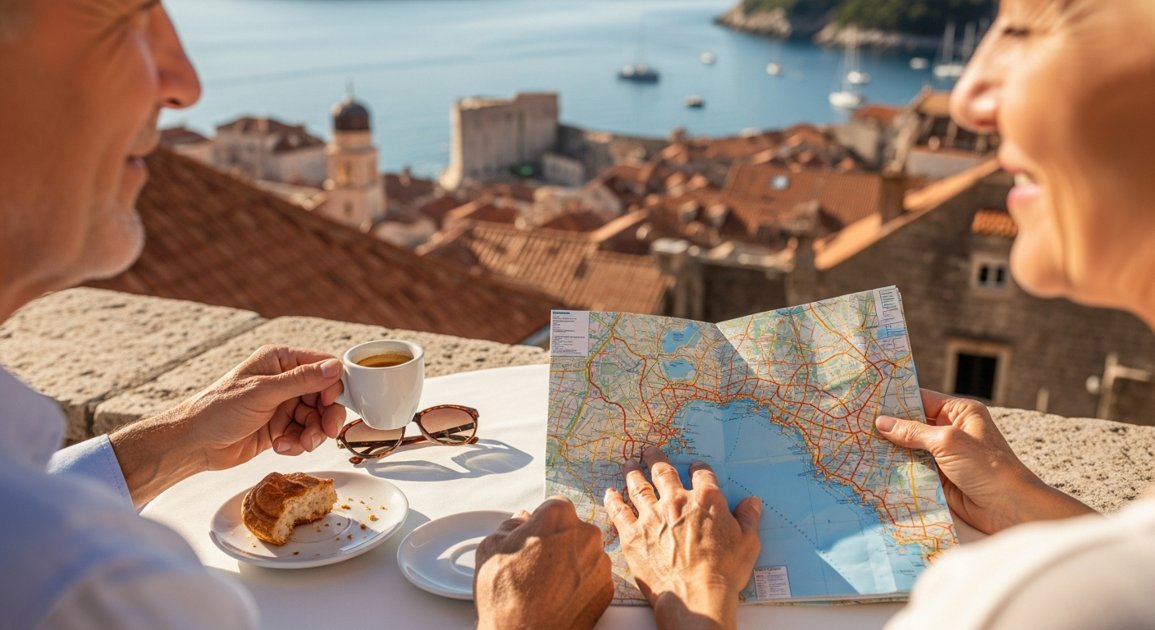
Croatia has transitioned from a budget-friendly Mediterranean secret to a premier European destination, with the adoption of the Euro and entry into the Schengen Area in 2023 signaling a new era of economic integration and rising costs. For those planning a life on the Adriatic, understanding the cost to retire in croatia 2026 is essential for navigating the balance between old-world charm and the realistic financial requirements of a modern EU member state. While it remains more affordable than the French Riviera or coastal Italy, the days of the ultra-cheap Balkan lifestyle have been replaced by a price structure that rewards careful planning and regional expertise.
The New Financial Landscape of Croatian Residency
Retiring in Croatia as a non-EU citizen (Third-Country National) requires navigating a specific set of residency rules that have become more standardized since the country’s full integration into the European Union. Most retirees apply for a "Stay of Third-Country Nationals for Other Purposes," which is typically granted for up to one year and must be renewed annually. Unlike some neighboring countries, Croatia does not currently offer a permanent "Retirement Visa" that grants immediate long-term residency.
To qualify, you must demonstrate financial self-sufficiency. As of late 2024, the minimum monthly requirement is approximately €850 to €1,000 per person, but by 2026, inflationary adjustments and government policy shifts are expected to push this threshold closer to €1,100 per month or a lump sum of roughly €14,000 per person held in a Croatian bank account. This is a baseline for legal entry; a comfortable lifestyle requires significantly more.
Breaking Down the Cost to Retire in Croatia 2026
To build an accurate budget for 2026, we must account for the steady rise in real estate and service costs seen over the last three years. Inflation in Croatia peaked later than in Western Europe, and while it has stabilized, the "Euro effect" continues to drive prices toward the EU average. Below is a detailed breakdown of the primary expense categories for a retired couple living a comfortable, middle-class life.
Housing and Real Estate: Coastal vs. Inland
Housing will be your largest monthly expense. In popular coastal regions like Dalmatia and Istria, demand from foreign buyers and the booming tourism industry has driven prices upward. For a high-quality, two-bedroom apartment within walking distance of the sea, expect the following monthly rental ranges in 2026:
| Region/City | Estimated Monthly Rent (2-BR) | Purchase Price per Sq. Meter |
|---|---|---|
| Split / South Dalmatia | €1,200 – €1,800 | €4,500 – €6,500 |
| Zadar / Central Dalmatia | €900 – €1,400 | €3,500 – €5,000 |
| Istria (Rovinj, Porec) | €1,100 – €1,600 | €4,000 – €5,500 |
| Zagreb (Capital) | €1,000 – €1,500 | €3,200 – €4,800 |
| Rijeka / Kvarner Bay | €800 – €1,200 | €3,000 – €4,200 |
If you choose to buy property, be prepared for a 3% real estate transfer tax and approximately 2-3% in legal and brokerage fees. In 2026, the strategy for many retirees is shifting toward the "hinterland"—areas just 20 minutes inland from the coast, such as the Vinodol Valley or the Istrian interior, where prices can be 30% lower while still offering Mediterranean climates.
Healthcare: The Mandatory and the Private
Healthcare is a non-negotiable cost. All residents in Croatia must contribute to the state health insurance system, known as HZZO. For retirees from countries without a reciprocal health agreement (like the US, Canada, or Australia), you are required to pay the full monthly contribution, which is currently around €90 to €100 per person. Crucially, there is often a requirement to pay a full year of "back-payments" upon your first registration, totaling roughly €1,100 per person.
While HZZO covers most major procedures, the public system faces long wait times for non-emergency specialists. A comfortable retirement in 2026 should include private supplemental insurance (Dopunsko) and access to private clinics (Poliklinika). These private plans typically cost between €50 and €150 per month, depending on age and coverage, and allow for immediate appointments with English-speaking doctors.
Projected Monthly Budgets: Cost to Retire in Croatia 2026
A "comfortable" retirement implies more than just survival. It includes dining out twice a week, maintaining a vehicle, heating and cooling your home to modern standards, and occasional travel within Europe. Based on current economic trajectories, here are the projected monthly budgets for a couple in 2026:
- The Moderate Budget (€2,400 - €2,800): Suitable for couples living in smaller coastal towns or the suburbs of Zagreb. Includes a modest rental, standard utilities, and a focus on local markets for groceries.
- The Comfortable Lifestyle (€3,500 - €4,500): This tier allows for a high-end apartment in a desirable city center (like Split or Zadar), private healthcare plans, frequent dining at top-tier konobas, and the upkeep of a modern car.
- The Luxury Tier (€6,000+): Focused on premium villas in Dubrovnik or Istria, high-end private medical concierge services, and regular international travel.
The Hidden Costs of the Adriatic Lifestyle
Retirees often overlook the seasonal nature of Croatian expenses. Utilities (Regije) can fluctuate significantly. While the coast has mild winters, many older stone houses lack modern insulation, leading to high electricity bills for heating in January and February. Conversely, the intense heat of July and August will see your air conditioning costs spike. Expect to budget an average of €200 - €300 per month for electricity, water, garbage, and high-speed internet.
Transportation is another factor. While Croatian cities are walkable and bus networks are extensive, a car is necessary for exploring the hidden coves and mountain trails. Gasoline prices are among the highest in the region due to heavy taxation. If you import a car from outside the EU, be prepared for the Poseban porez na motorna vozila (PPMV), a special motor vehicle tax based on the car’s value and CO2 emissions, which can reach several thousand euros.
Regional Spotlight: Where Your Euro Goes Further
Choosing the right location is the most effective way to manage the cost to retire in croatia 2026 without sacrificing quality of life.
The Zadar Archipelago
Zadar offers a more functional, year-round urban environment than the highly seasonal Dubrovnik. Prices here remain about 20% lower than in Split. The city is flat and walkable, making it ideal for aging in place, and the nearby airport provides low-cost connections to the rest of Europe.
Central Istria
Often compared to Tuscany, Central Istria (cities like Pazin or Motovun) offers a sophisticated lifestyle focused on gastronomy and nature. While not on the beach, you are never more than a 30-minute drive from the sea. Real estate here often provides more land and privacy for the same price as a cramped coastal apartment.
The Makarska Riviera
South of Split, this region offers some of the most dramatic mountain-meets-sea scenery in the world. While tourist-heavy in summer, the winter months are peaceful, and rental prices drop significantly for long-term residents who negotiate off-season leases.
Practical Steps for a 2026 Relocation
- Audit Your Pension: Ensure your income is documented. Croatia requires translated and apostilled proof of pension or investment income.
- Secure Housing Early: The rental market for long-term (12-month) leases is tight because landlords prefer lucrative short-term tourist rentals. Start your search in the shoulder season (October or April).
- Consult a Tax Expert: Croatia has Double Taxation Agreements (DTA) with many countries, including the US and UK. However, you may still be liable for a small amount of Croatian tax on global income if you stay longer than 183 days.
- Learn Basic Croatian: While English is widely spoken in tourism and by younger generations, dealing with the MUP (Ministry of the Interior) for your residency permit will be much smoother with basic language skills or a local facilitator.
Frequently Asked Questions
Is Croatia still cheaper than Spain or Portugal for retirees?
As of 2026, Croatia is roughly on par with mid-tier Spanish coastal cities but generally more expensive than rural Portugal. While groceries and property taxes are lower in Croatia, the cost of healthcare for non-EU citizens and the high price of imported goods can bridge the gap. Croatia’s primary advantage remains its safety and the pristine quality of its coastline.
Can I buy property to get residency in Croatia?
Buying property does not grant automatic permanent residency. However, owning a home can be used as the "justification" for a temporary stay permit for "Other Purposes." This permit allows you to live in your property for up to one year, but it does not count toward the time required for permanent residency (which usually requires a different visa type, such as work or family reunification).
How much should I budget for monthly groceries?
A couple should budget approximately €500 to €700 per month for groceries. Shopping at local markets (Pazar) for seasonal produce and fish is more cost-effective and higher quality than relying solely on supermarkets like Konzum or Tommy. Imported luxury goods and specialty items from the US or UK will carry a significant premium.
What is the biggest financial mistake retirees make in Croatia?
The most common mistake is failing to account for the "back-payment" requirement for HZZO state health insurance. Many retirees are surprised by a bill for over €1,000 per person shortly after arriving. Additionally, underestimating the cost of winter heating in older coastal homes can lead to significant budget strain during the colder months.
Conclusion
Retiring in Croatia in 2026 offers a high standard of living characterized by safety, environmental beauty, and a relaxed pace of life. While the financial entry point has risen, the value proposition remains strong for those who approach the move with data-driven expectations. By prioritizing regional research and accounting for the nuances of the Croatian healthcare and tax systems, you can secure a Mediterranean lifestyle that is both culturally rich and fiscally sustainable. The Adriatic is no longer a bargain-basement option, but for the discerning retiree, it remains one of the most rewarding investments in quality of life available in Europe today.
Planning Your Move to Croatia?
Navigating the residency process and the local real estate market requires up-to-date expertise. For personalized advice on tax implications and finding the perfect coastal community, consult with a qualified relocation specialist to ensure your transition to the Adriatic is handled with precision.