How to Navigate the 'Comunidad' Micro-Democracy: A Practical Guide to Shared Living, Hidden Fees, and Social Etiquette in Spain
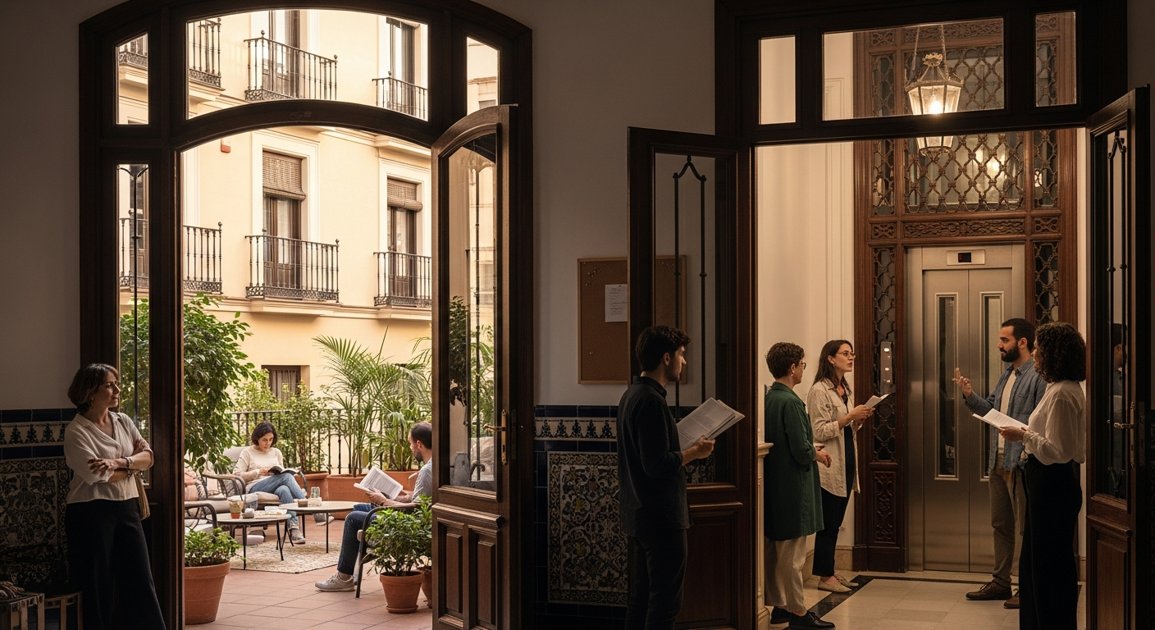
The Micro-Democracy Shaping Your Spanish Life
In Spain, the four walls of your apartment do not define the limits of your responsibility. Whether you are purchasing a penthouse in Madrid or a seaside flat in Valencia, you are likely entering a Comunidad de Propietarios (Community of Owners). Governed by the Ley de Propiedad Horizontal (Horizontal Property Law), this micro-democracy manages everything from elevator maintenance to the specific shade of paint allowed on your terrace.
Understanding the legal weight of the community is essential for any expat. This is not a casual neighborhood watch; it is a legally binding entity with the power to levy fees, approve major renovations, and even take legal action against residents who defy communal rules. To live successfully in a Spanish building, you must understand how this system operates.
The Core Structure: Who Runs the Comunidad?
Every community operates with a specific hierarchy of roles. While the neighbors make the decisions, the administration handles the logistics.
- The President (El Presidente): A fellow owner elected annually. They represent the community in legal matters and oversee the administrator.
- The Administrator (El Administrador): A professional (usually external) who manages the accounts, handles repairs, and ensures the building complies with local regulations.
- The Secretary: Often the administrator, responsible for documenting the minutes (actas) of meetings.
- The Junta (Board): The collective body of owners who vote on all significant matters.
Participation and Voting Rights
Major decisions are made during the Annual General Meeting (AGM), or Junta Ordinaria. Your voting power is determined by your cuota de participación—a percentage based on the square footage of your property relative to the entire building. If you cannot attend a meeting, you can provide a signed proxy to a neighbor or the President to vote on your behalf.
The Cost of Shared Living: Fees and Derramas
Financial transparency is the most frequent source of friction in Spanish communities. Before signing a purchase contract, it is vital to audit the community's financial health.
Regular Community Fees (Cuotas)
These are paid monthly or quarterly to cover recurring costs like cleaning, electricity for common areas, and insurance. The amount varies wildly based on amenities like swimming pools or 24-hour security.
Extraordinary Assessments (Derramas)
A derrama is a one-time fee for unexpected or large-scale projects, such as fixing a roof or installing a new lift. Under Spanish law, if a majority votes in favor of necessary repairs, all owners are legally obligated to pay, even if they voted against it. These can range from a few hundred to several thousand euros.
Step-by-Step Financial Due Diligence
- Request the 'Certificado de Deuda': Before buying, ensure the seller provides a certificate from the administrator proving there are no outstanding debts.
- Review the 'Actas': Read the minutes from the last two years of meetings to identify any upcoming derramas.
- Check the Reserve Fund: Spanish law requires communities to maintain a reserve fund (fondo de reserva) of at least 10% of the last ordinary budget.
Social Etiquette and the Unwritten Rules
Spanish communal living relies on a blend of formal laws and informal social norms. Ignoring these can lead to isolation or direct conflict with neighbors.
Noise and Daily Life
While Spain is often perceived as a loud country, apartment buildings have strict (if unwritten) quiet hours. Avoid using washing machines or performing DIY tasks during the siesta (typically 2:00 PM to 4:00 PM) and after 10:00 PM. High-density living means sound travels quickly through central courtyards (patios de luces).
The Power of the 'Buenos Días'
Integration begins in the elevator. It is standard etiquette to greet neighbors with a "Buenos días" or "Buenas tardes." In many buildings, the stairwell and elevator act as the primary communication hubs for building news and local gossip. Being perceived as polite and approachable can resolve potential disputes before they reach the formal meeting stage.
Plan Your Move with Precision
Navigating the legalities of Spanish property and communal laws requires local knowledge and data-driven insights. The NewLife.Help comparison tool streamlines this process by aggregating essential relocation data into a single, easy-to-read format. Instead of spending weeks researching regional regulations and cost-of-living variances, you can generate a personalized relocation report in seconds, ensuring your move to Spain is grounded in fact rather than guesswork.
Start Your Free Relocation Analysis
Conclusion
The Comunidad de Propietarios is a fundamental pillar of Spanish society. While the bureaucracy of AGMs and the unpredictability of derramas can be frustrating, the system provides a structured way to maintain property values and foster neighborly connections. By performing thorough financial due diligence and respecting the social norms of shared spaces, you can turn your apartment building from a mere residence into a stable, supportive community.