How to Live Comfortably in Bulgaria for Under €1,200 in 2026
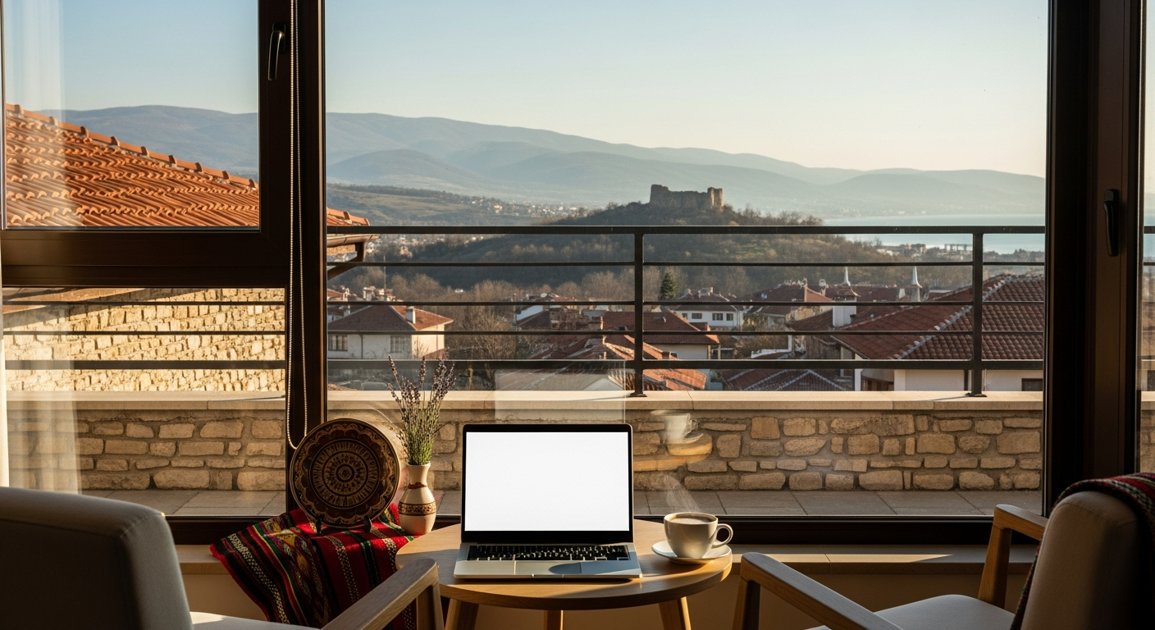
Bulgaria remains the most affordable nation in the European Union, offering a high standard of living for a fraction of the cost found in Western Europe or North America. As the country moves toward Eurozone integration, the bulgaria cost of living 2026 projections indicate a stable yet slightly appreciating market that continues to favor expatriates, remote workers, and retirees. For those looking to maintain a comfortable lifestyle including a modern apartment, frequent dining out, and comprehensive healthcare, a budget of €1,200 per month is not just achievable—it is practical. This guide breaks down the financial realities of relocating to Bulgaria’s urban centers, focusing on Sofia and Plovdiv, and provides the data-driven insights necessary for a successful transition.
The Economic Landscape: Bulgaria Cost of Living 2026
As we look toward 2026, Bulgaria’s economy is characterized by a unique balance of low taxation and moderate inflation. The country maintains a flat income tax rate of 10%, which is one of the lowest in the EU. This fiscal policy significantly increases the purchasing power of residents compared to those in high-tax jurisdictions like Germany or France. While the transition to the Euro may cause minor price rounding in the retail sector, the fundamental drivers of cost—rent, local produce, and services—remain highly competitive.
Living on €1,200 a month in Bulgaria does not require a minimalist lifestyle. In cities like Sofia or Plovdiv, this budget allows for a private one-bedroom apartment in a desirable neighborhood, a full social life, and surplus funds for domestic travel. The primary variables affecting your monthly spend will be your choice of city, your heating preferences during the winter months, and your reliance on imported versus local goods.
Housing and Accommodation: Sofia vs. Plovdiv
Housing will be your largest monthly expense. In 2026, the rental market in Bulgaria is expected to remain robust but affordable. Sofia, as the capital and economic hub, commands higher prices, particularly in neighborhoods like Lozenets, Oborishte, or the Doctor’s Garden. Plovdiv, the cultural capital, offers a slightly lower price point with a more relaxed pace of life.
Rent Estimates for 2026
- Sofia (City Center): €550 – €750 for a modern, furnished one-bedroom apartment.
- Sofia (Outer Districts like Mladost or Student City): €400 – €550.
- Plovdiv (City Center/Kapana): €400 – €600 for a high-quality renovation.
- Plovdiv (Residential Districts like Trakiya): €300 – €450.
- Studio Apartments (Nationwide): Often available for under €350 outside the immediate capital center.
When searching for a property, it is standard practice to use a real estate agency. Be prepared to pay a commission, typically 50% of one month’s rent, and a security deposit equivalent to one or two months of rent. Long-term contracts (12 months) are the norm and provide the best leverage for negotiating price stability.
Utilities, Connectivity, and Maintenance
Utility costs in Bulgaria are seasonal. Electricity and heating (often provided by central district heating called 'Toplofikacia' in Sofia) can fluctuate significantly. In the winter, heating a 60-square-meter apartment may cost €100–€150 per month, while in the summer, this drops to €40–€60.
Monthly Utility Breakdown
| Service | Estimated Monthly Cost (2026) |
|---|---|
| Electricity & Water | €60 – €80 |
| Heating (Winter Average) | €90 – €120 |
| High-Speed Fiber Internet (1 Gbps) | €15 – €25 |
| Mobile Plan (Unlimited Data) | €15 – €20 |
| Building Maintenance (Common areas) | €10 – €25 |
Bulgaria consistently ranks among the top countries globally for internet speed and reliability. This makes it an ideal location for digital professionals whose work requires high bandwidth. Most apartments are already wired for fiber optics, and setup times are generally under 48 hours.
Food, Groceries, and Dining
One of the most significant advantages of the bulgaria cost of living 2026 framework is the quality and price of food. Bulgaria is an agricultural producer, meaning local markets (pazar) offer fresh, organic produce at prices significantly lower than supermarket chains. However, for convenience, international chains like Lidl, Kaufland, and Billa are ubiquitous.
Grocery Budgeting
A single person can eat exceptionally well on €250 – €300 per month. A liter of milk costs approximately €1.50, a kilogram of local cheese (sirene) is about €8–€12, and a loaf of fresh bread is under €1.00. Buying seasonally at local markets can reduce your grocery bill by a further 20%.
Dining Out and Socializing
Bulgarian culture revolves around social dining. A three-course meal at a mid-range restaurant in Sofia will cost approximately €25–€35 per person, including a drink. Lunch specials (obidno menyu) are incredibly popular and offer a soup or salad and a main course for €6–€9. A high-quality espresso in a trendy cafe is usually around €2.00, while a half-liter of local draft beer costs between €2.50 and €4.00.
Transportation and Infrastructure
Public transportation in Sofia is highly integrated, featuring a clean and efficient metro system, trams, buses, and trolleybuses. Plovdiv relies on a bus network and is exceptionally walkable. Most expats find that owning a car is unnecessary unless they plan frequent trips to the mountains or the Black Sea coast.
Transport Costs
- Monthly Public Transport Pass (Sofia): €18 – €25 (covers all modes).
- Taxi/Rideshare (5km trip): €6 – €9.
- Intercity Train (Sofia to Plovdiv): €10 – €15.
- Gasoline (per liter): Estimated €1.40 – €1.60 based on 2026 energy trends.
Healthcare and Insurance
Bulgaria offers a dual healthcare system. Residents contribute to the National Health Insurance Fund (NZOK), which provides access to public hospitals. However, most expatriates prefer private healthcare for its shorter wait times and English-speaking staff. Many employers include private health insurance as a benefit. If paying out of pocket, a comprehensive private insurance policy for a healthy individual under 40 ranges from €300 to €600 per year.
Routine dental work and specialist consultations are affordable. A visit to a private GP or specialist typically costs between €30 and €60, making it feasible to pay as you go if you do not wish to maintain a full private policy.
A Sample Monthly Budget for One Person (€1,200)
To help you visualize the bulgaria cost of living 2026, here is a realistic monthly allocation for a comfortable life in a major city:
| Category | Monthly Allocation (Euro) |
|---|---|
| Rent (Modern 1-Bedroom) | €550 |
| Utilities (Average year-round) | €110 |
| Groceries | €280 |
| Dining & Entertainment | €150 |
| Transportation | €30 |
| Healthcare & Personal Care | €50 |
| Miscellaneous/Savings | €30 |
| Total | €1,200 |
Strategies to Manage Your Bulgaria Cost of Living 2026 Budget
While €1,200 provides a comfortable lifestyle, savvy residents can optimize their spending to increase their savings rate or afford more luxury experiences. Implementing these strategies will ensure your budget remains resilient against any local price fluctuations.
- Leverage the 'Billa' or 'Kaufland' Loyalty Apps: Major supermarkets offer significant discounts and personalized coupons through their mobile applications.
- Choose Multi-year Internet Contracts: Providers like Vivacom or A1 often offer 24-month contracts that reduce monthly costs by up to 30% compared to month-to-month plans.
- Utilize the Annual Transport Pass: In Sofia, the annual card for all public transport is the most cost-effective way to move around the city, often costing less than €185 for the entire year.
- Explore 'Klek' Shops and Local Bakeries: For small daily items, local neighborhood shops (sometimes located in basement windows, known as klek shops) can be cheaper and more convenient than larger retailers.
- Manage Heating Efficiency: If living in an older building, invest in heavy curtains or draft excluders. Central heating is effective, but poorly insulated windows can lead to high winter bills.
Frequently Asked Questions
Is €1,200 enough for a family in Bulgaria?
For a single individual, €1,200 is very comfortable. For a couple, a combined budget of €1,800 to €2,000 is recommended to maintain a similar standard. A family of four would likely require €2,800 to €3,500 per month, depending on private schooling requirements and apartment size.
Can I get by with English in Sofia and Plovdiv?
In major cities and among the younger generation, English proficiency is high. However, for administrative tasks, healthcare, and interactions with older locals, learning basic Bulgarian or hiring a local consultant is highly recommended. Understanding the Cyrillic alphabet is essential for navigating public transport and signage.
What are the visa requirements for staying in Bulgaria?
EU citizens have the right to live and work in Bulgaria with a simple registration process. Non-EU citizens typically require a Type D Visa, which can be obtained through various tracks, including the 'Trade Representative' office, retirement, or remote work (Digital Nomad) pathways. Requirements usually include proof of funds and health insurance.
Is Bulgaria safe for expats?
Bulgaria is considered very safe with low rates of violent crime. Standard precautions against pickpocketing in tourist areas or poorly lit outskirts apply, but most expats report feeling safer in Sofia or Plovdiv than in many larger Western European cities.
Conclusion
Relocating to Bulgaria in 2026 offers a rare opportunity to enjoy a high European standard of living without the financial strain common in other EU capitals. By budgeting €1,200 per month, you gain access to modern housing, excellent connectivity, and a rich cultural scene in cities like Sofia or Plovdiv. While the country is modernizing and prices are gradually adjusting to meet EU averages, the fundamental value proposition remains intact. With strategic planning and a focus on local resources, your move to Bulgaria can be both a lifestyle upgrade and a sound financial decision. If you are ready to begin your relocation, start by researching neighborhoods and securing your residency documentation to ensure a smooth transition into your new Bulgarian life.