How to Navigate Panama’s Public Transport and Driving in 2026
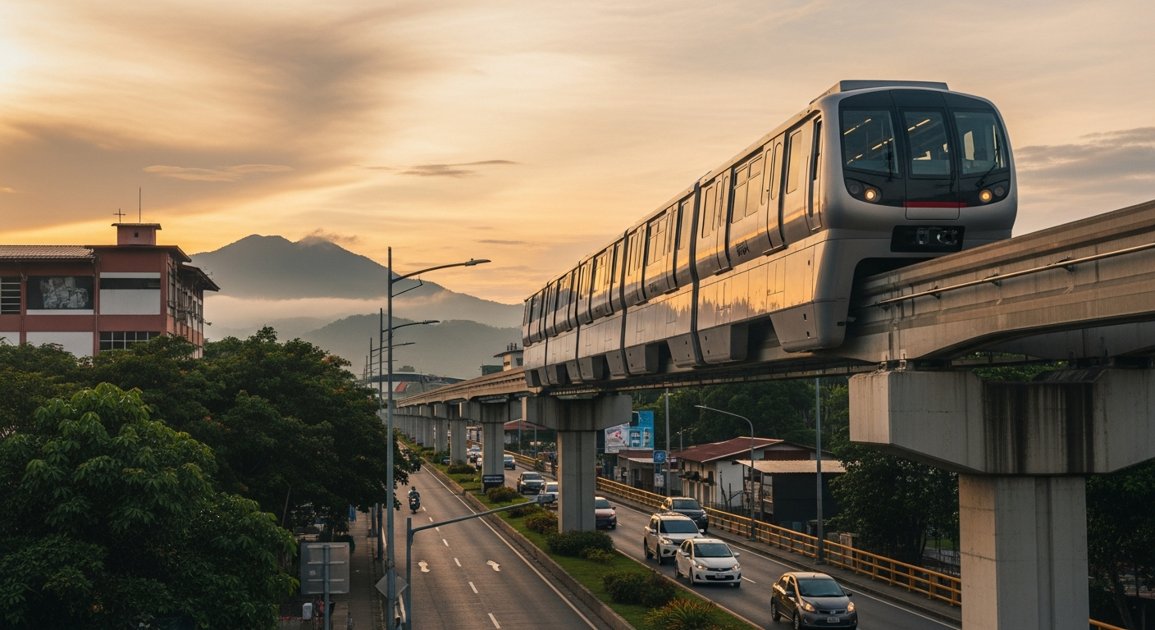
Panama is currently home to the only full-scale metro system in Central America, an infrastructure feat that has fundamentally redefined urban mobility for over 1.5 million residents and thousands of relocating expats. As we look at the state of public transport in panama 2026, the completion of major projects like Metro Line 3 and the expansion of the digital payment ecosystem have transformed the country into a regional leader for connectivity. For those moving to the Isthmus, understanding the logistical framework of the capital’s rail and bus networks, as well as the strict regulatory environment for private vehicle operation, is essential for a successful transition.
The Backbone of the City: The Panama Metro System
By 2026, the Panama Metro has evolved from a single-line novelty into a comprehensive transit network. The system is celebrated for its cleanliness, punctuality, and climate-controlled environment, which provides a necessary reprieve from Panama’s tropical humidity.
Line 1 and Line 2: The Core Network
Line 1 runs north-south, connecting Albrook (the city’s primary transport hub) to Villa Zaita. It serves as the primary artery for commuters traveling from the northern suburbs into the banking district and the historic center. Line 2 serves the eastern side of the city, extending from San Miguelito to Nuevo Tocumen, with a critical branch connecting directly to Tocumen International Airport (PTY). This airport link allows travelers to reach the city center for less than $1.00, bypassing the higher costs of private shuttles or taxis.
Metro Line 3 and the Canal Crossing
The defining feature of public transport in panama 2026 is the operational progress of Line 3. This monorail system is designed to alleviate the chronic traffic congestion between Panama City and the western suburbs like Arraiján and La Chorrera. Utilizing a tunnel beneath the Panama Canal, Line 3 represents one of the most significant engineering projects in the country’s history, significantly reducing transit times for the thousands of expats who have chosen the more affordable housing options on the west side of the Canal.
| Feature | Details |
|---|---|
| Standard Fare | $0.35 (Line 1 & 2) |
| Operating Hours | 5:00 AM – 11:00 PM (Mon-Sat); 7:00 AM – 10:00 PM (Sun) |
| Payment Method | Rechargeable Metro/Metrobus Card or Contactless Credit Card |
| Accessibility | Full elevator and tactile paving access at all stations |
The MetroBus Network: Comprehensive Urban Coverage
While the Metro handles high-capacity transit along fixed corridors, the MetroBus system provides the granular coverage needed to reach residential neighborhoods and commercial plazas. Managed by MiBus, the fleet consists of modern, air-conditioned buses that operate on a fixed-fare basis.
Navigating Routes and the Corredor System
Buses in Panama City are categorized into two main types: Rutas Troncales (city streets) and Corredores (highways). The Corredor buses use the North and South Corridors to bypass city traffic, offering a faster but slightly more expensive fare ($0.75 vs. $0.25). Passengers must tap their card upon entry at the front door. By 2026, the integration of real-time tracking via mobile apps has become the standard, allowing users to see exactly when the next bus will arrive at their specific stop.
The Albrook Terminal
Albrook Mall is home to the Grand Terminal of Albrook, the central nervous system for all long-distance travel in Panama. If you are planning a trip to David, Boquete, or the beaches of the Riviera Pacifica, this is your starting point. High-comfort motorcoaches depart hourly for major provincial capitals. For those traveling to the interior, it is advisable to purchase tickets in advance during national holidays (Fiestas Patrias or Carnival) as the terminal handles hundreds of thousands of travelers during these periods.
Driving in Panama: Regulations and Reality
Owning a vehicle offers a level of freedom that public transport cannot match, especially for those living in gated communities in Panama West or the Highlands of Chiriquí. However, the legal requirements for driving as a foreigner are strictly enforced.
Legal Requirements for Public Transport in Panama 2026 and Private Driving
As an expat, you can drive using your valid home country license for up to 90 days from your date of entry (stamped in your passport). Once this 90-day period expires, or once you obtain a residency visa, you must obtain a Panamanian driver’s license. Driving on an expired foreign license can result in vehicle impoundment and heavy fines.
The License Conversion Process (Sertracen)
To convert your foreign license to a Panamanian one, you must go through a process known as canje at Sertracen (Servicios de Tránsito de Centroamérica). The steps are as follows:
- Authentication: Have your home country license authenticated by your embassy in Panama.
- Legalization: Take the authenticated document to the Ministry of Foreign Affairs (Ministerio de Relaciones Exteriores) for an apostille or official stamp.
- Medical Tests: Undergo a blood type test and a vision/hearing exam at a certified laboratory in Panama.
- Submission: Present your valid passport, your residency card (E-cedula), the authenticated license, and the lab results to Sertracen.
Understanding Panapass and Tolls
Panama City is encircled by two major toll roads: Corredor Norte and Corredor Sur. These roads do not accept cash. All vehicles must be equipped with a "Panapass" sticker—an RFID tag mounted on the windshield. These accounts are prepaid and can be topped up via banking apps, pharmacies, or specialized kiosks. Attempting to enter a corridor without a valid Panapass or insufficient funds will trigger a fine and a red light at the toll gate.
Rideshare and Taxis: The Last-Mile Solution
For destinations not directly served by the Metro, rideshare platforms and traditional taxis fill the gap. In 2026, Uber and Cabify remain the dominant digital players, offering a level of security and price transparency that many expats prefer. Taxis in Panama do not use meters; instead, they operate on a zone-based system. It is critical to negotiate the fare before entering the vehicle to avoid disputes. Note that in Panama, it is common for taxi drivers to pick up multiple passengers heading in the same general direction, a practice known as "collective" transit.
Practical Tips for Road Safety and Culture
Driving in Panama City is not for the faint of heart. Traffic patterns can be erratic, and signaling is often treated as optional by local drivers. During the rainy season (May through December), flash flooding can occur on major avenues like Avenida Balboa or Via Argentina, requiring cautious navigation.
- Waze is Essential: Waze is the definitive navigation tool in Panama. It provides real-time updates on traffic accidents, police checkpoints (retén), and road closures.
- The "Retén": Police checkpoints are common, especially at night or on holidays. Always carry your physical residency card and driver's license. Digital copies are rarely accepted as valid identification.
- Insurance Compliance: Third-party liability insurance is mandatory. Most expats opt for full coverage (cobertura completa) given the high frequency of minor collisions in dense city traffic.
Frequently Asked Questions
Can I use my foreign driver’s license indefinitely in Panama?
No. You are legally allowed to drive on a foreign license for only 90 days from your last entry into the country. If you stay longer or obtain residency, you must apply for a Panamanian license through Sertracen.
How much does a monthly pass for the Metro cost?
Panama does not currently offer a "monthly pass" in the traditional sense. Instead, you load credit onto your Metro card. However, given the low cost ($0.35 per trip), even a daily commuter will spend less than $25.00 per month on rail transit.
Is it safe to use public transport in Panama City at night?
The Panama Metro is considered very safe and is well-patrolled by specialized Metro Police. The MetroBus is also generally safe, though it is advisable to remain vigilant in crowded terminals like Albrook or Estación 5 de Mayo after dark.
Are there electric vehicle (EV) charging stations available?
Yes. By 2026, Panama has significantly expanded its EV infrastructure. Most major malls (Multiplaza, Albrook, Town Center) and many new residential towers in Costa del Este and Santa Maria now offer Level 2 charging stations.
Do I need a car if I live in Panama City?
It depends on your lifestyle. If you live and work along the Metro lines (e.g., El Cangrejo, Avenida Balboa, or San Francisco), you can easily rely on public transport and rideshares. However, if you plan to explore the interior of the country or live in the suburbs, a car is highly recommended.
Conclusion
Navigating the landscape of transport in Panama requires a blend of local knowledge and regulatory compliance. The country has made monumental strides in providing a public transport system that is both affordable and efficient, particularly with the 2026 advancements in the Metro network. Whether you choose the precision of the rail system or the autonomy of a private vehicle, Panama’s infrastructure is designed to support its growing status as a global hub. By securing the proper legal documentation and utilizing real-time digital tools, you can move through the city and the interior with confidence, ensuring that your logistical needs are met as you build your life in this dynamic nation.