From Euros to Rupiah: A Comparative Guide to Purchasing Power and Lifestyle Arbitrage in Germany vs. Bali
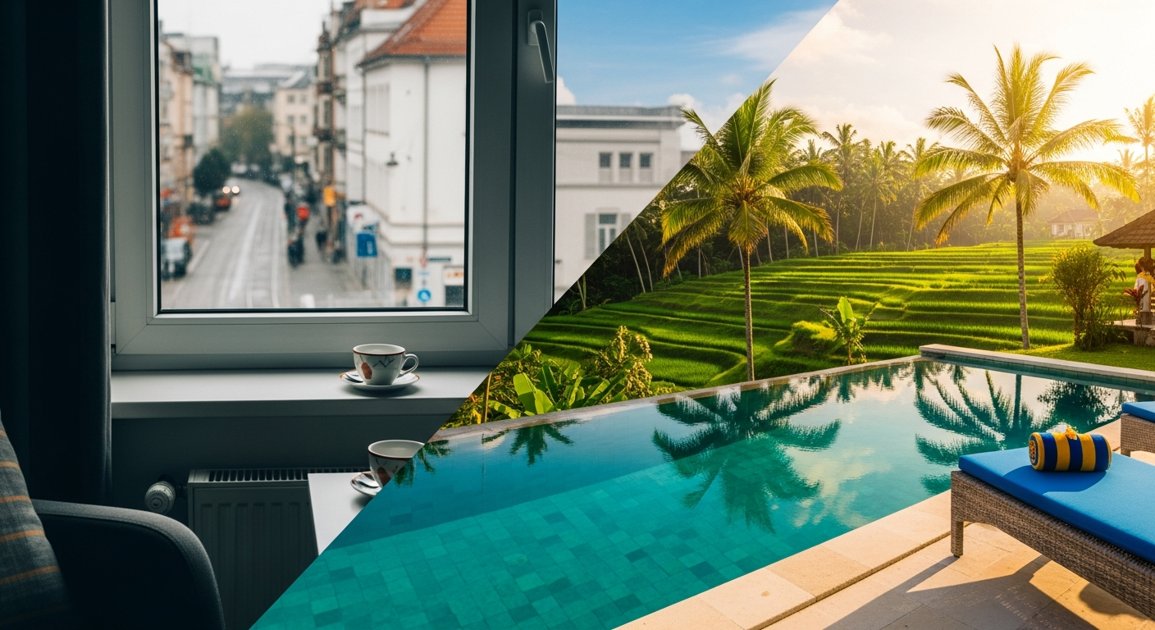
The Tropical Pivot: Trading Grey Skies for Lifestyle Arbitrage
Imagine waking up to the sound of rustling palms instead of a tram screeching through a rainy Berlin morning. For many German professionals, the dream of relocating to Bali isn’t just about the weather—it’s about the math. In the world of international relocation, this is known as 'Lifestyle Arbitrage': the practice of earning a high-value currency (Euros) while spending in a lower-cost economy (Indonesian Rupiah). While Germany offers world-class infrastructure and social safety nets, Bali offers an unparalleled quality of life that turns a standard middle-class German salary into a gateway for luxury living.
The Financial Landscape: High-Tax Stability vs. High-Quality Flexibility
Germany is famous for its high tax burden, which funds one of the most stable social systems on earth. However, for a remote worker or freelancer, those mandatory contributions can feel like a heavy weight. In Bali, the financial model shifts from collective stability to individual flexibility.
- Tax Efficiency: Remote workers utilizing specific visas, such as the B211A or the upcoming Remote Worker Visa, can often optimize their tax residency, keeping more of their hard-earned Euros.
- Purchasing Power: On average, the cost of living in Bali is roughly 50% to 60% lower than in major German cities like Munich or Hamburg.
- Service Economy: In Germany, hiring a private cleaner or a cook is a luxury. In Bali, these services are accessible, allowing you to reclaim your most valuable asset: time.
Breaking Down the Budget: Where Does Your Euro Go?
To understand the scale of lifestyle arbitrage, let’s look at how a typical monthly budget of €3,000 scales when moved from Frankfurt to Canggu or Ubud.
Housing: From Functional to Phenomenal
In Berlin, €1,200 might secure you a 50-square-meter apartment in a decent neighborhood, often without a balcony or modern amenities. In Bali, the same €1,200 (approximately 20 million IDR) can rent a private two-bedroom villa with a swimming pool, lush garden, and regular housekeeping. You aren't just paying for a roof; you are paying for an aesthetic and an environment designed for wellness.
Daily Expenses: The 1:4 Ratio
Eating out in Germany has become increasingly expensive, with a standard dinner for two easily reaching €60. In Bali, a high-end 'Warung' or a trendy cafe will cost you a fraction of that. A high-quality coffee in Bali costs about €2.50, while a nutritious, chef-prepared meal ranges from €5 to €10. Your grocery budget, particularly for fresh tropical fruits and local produce, stretches four times further than it would at Edeka or Rewe.
Navigating the Transition: A Step-by-Step Guide
Moving your life 11,000 kilometers away requires more than just a plane ticket. Here is how to approach the move systematically:
- Step 1: Secure Your Remote Income. Ensure your employer or clients are comfortable with the time zone shift (Bali is GMT+8).
- Step 2: Choose the Right Visa. Research the 'Molina' (E-Visa) system. Most expats start with a B211A Visit Visa, which allows for long-term stays with extensions.
- Step 3: Health Insurance is Non-Negotiable. While you leave the German public health system, you must replace it with high-quality international private insurance that covers medical evacuations.
- Step 4: Trial Run. Spend at least 30 days in Bali before committing to a yearly villa lease to find the neighborhood that fits your vibe.
Plan Your Move with Precision
Comparing two entirely different economies can be overwhelming, but you don't have to do it alone. The NewLife.Help comparison tool is designed to take the guesswork out of your relocation. By inputting your current German expenses, our algorithm generates a personalized relocation report in seconds, showing you exactly how your lifestyle will transform in Bali. From tax implications to neighborhood-specific rent prices, get the data you need to move with confidence.
Start Your Free Relocation Analysis
Conclusion
Relocating from Germany to Bali is more than a change of scenery; it is a strategic move to optimize your purchasing power and reclaim your time. While Germany provides a structured, safe environment, Bali offers the freedom to design a life centered around wellness, community, and luxury. By understanding the mechanics of lifestyle arbitrage, you can stop dreaming about the 'island life' and start living it with a budget that finally works for you, rather than against you.