Can You Actually Live Comfortably in Croatia for Under €2,000? A Data-Driven Breakdown of Post-Euro Costs and Hidden Regional Fees
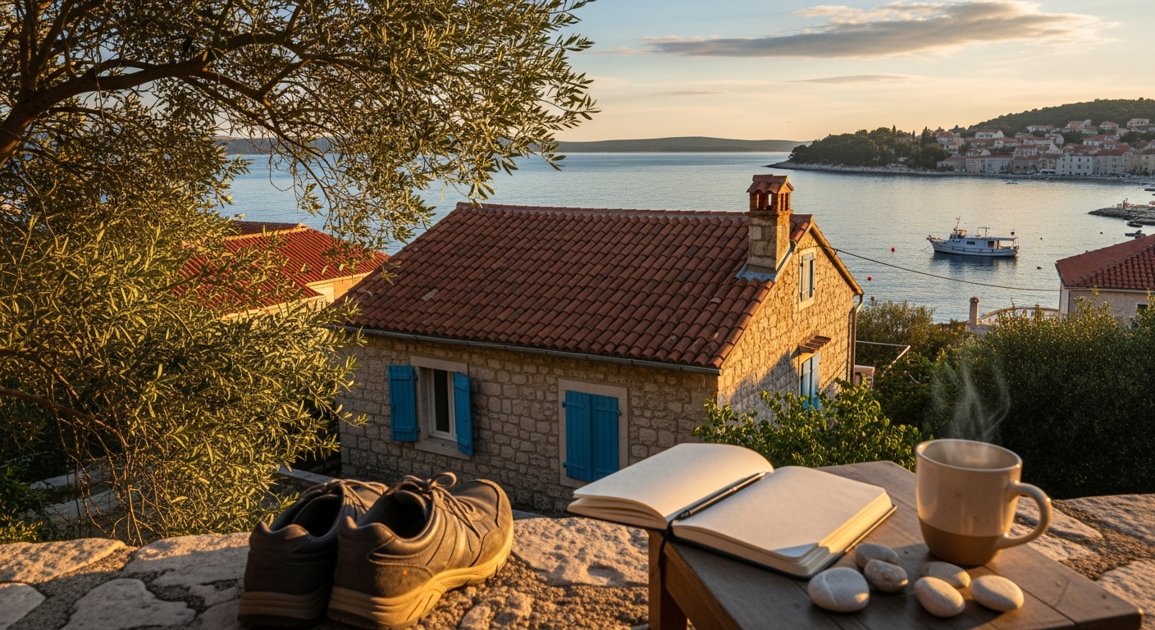
Since January 1, 2023, Croatia has undergone a significant economic transformation by adopting the Euro and joining the Schengen Area. For expats and digital nomads, the days of Croatia being a budget-basement destination are over. However, the country remains competitive compared to Western Europe and North America. The question remains: is a monthly budget of €2,000 sufficient for a comfortable lifestyle? To answer this, we must look beyond the brochures and analyze the hard data of post-Euro inflation and regional pricing discrepancies.
The Post-Euro Economic Landscape
The transition from the Kuna to the Euro coincided with global inflationary pressures, leading to a noticeable spike in the cost of living. Official statistics suggest that while the currency conversion was mathematically fixed, many service providers and retailers rounded prices upward. Today, you will find that grocery prices in Zagreb or Split are often identical to those in Berlin or Vienna, despite local salaries remaining lower.
Monthly Budget Breakdown: A Realistic Estimate
To live comfortably—defined here as renting a modern one-bedroom apartment, dining out twice a week, maintaining a gym membership, and covering high-speed internet and utilities—a single person should expect the following monthly expenses:
- Housing (Rent): €600 – €900 (depending on city and proximity to the center).
- Utilities (Electricity, Water, Heating, Trash): €120 – €180.
- Groceries: €350 – €450.
- Dining and Entertainment: €250 – €400.
- Transport: €40 – €100 (Public transit vs. fuel/parking).
- Health Insurance: €70 – €150 (Private top-up + state contributions).
For a single person, the total ranges from €1,430 to €2,180. This confirms that while €2,000 is a solid baseline, it does not leave a massive margin for significant savings or frequent luxury travel if you choose to live in high-demand areas.
Regional Variance: Zagreb vs. The Coast
Location is the most significant factor in your Croatian budget. The costs behave differently depending on the local economy.
Zagreb: The Stable Capital
Zagreb offers the most consistent cost of living throughout the year. While rent has increased due to high demand and limited supply, you are not subject to the "tourist tax" price hikes seen on the coast. A €2,000 budget goes furthest here because utilities and services are standardized for year-round residents.
The Dalmatian Coast: The Seasonal Challenge
In cities like Split, Zadar, or Dubrovnik, the market is bifurcated. From June to September, prices for everything from coffee to short-term rentals can increase by 30% to 50%. Expats often face "dual pricing" where locals know where to shop to avoid tourist traps. If you do not have a long-term lease fixed in Euro, your summer housing costs could easily consume your entire €2,000 budget.
Hidden Fees and Financial Pitfalls
When planning your relocation, account for these often-overlooked expenses:
- The "Porez" (Tax) Factor: If you are a tax resident, remember that Croatia has high social contribution rates. Ensure your €2,000 is your net take-home pay.
- Heating Costs: Older buildings in Zagreb often use "Toplinarstvo" (central city heating), which is affordable, but coastal apartments often rely on expensive electricity-based AC units for winter heating.
- Importing a Car: Croatia imposes a heavy special tax (PPMV) on vehicle imports based on CO2 emissions. It is often cheaper to buy a used car locally.
How to Optimize Your Croatian Budget
If you want to keep your spending well under the €2,000 mark without sacrificing quality of life, follow these steps:
- Secure a Long-Term Lease: Negotiate a "year-round" contract in writing to avoid being evicted in May for tourist rentals.
- Shop at Local Markets (Pazar/Plac): Seasonal produce at local markets is significantly higher quality and often cheaper than supermarket imports.
- Time Your Move: Arrive in the shoulder season (October or April) to secure better rates on accommodation and services.
- Choose Tier-2 Cities: Consider Rijeka, Osijek, or Samobor. These cities offer urban amenities at roughly 20% less than Zagreb or Split.
Plan Your Move with Precision
Navigating the financial nuances of a move to Croatia requires more than just general estimates. Every individual situation is different based on residency status, lifestyle preferences, and family size. The NewLife.Help comparison tool provides a data-driven, personalized relocation report that calculates your specific costs and compares them against your current city in seconds.
Start Your Free Relocation Analysis
Conclusion
Living comfortably in Croatia for under €2,000 is entirely achievable for a single professional or a frugal couple, provided you are strategic about location and housing. While the Euro transition has pushed prices closer to the European average, the quality of life, safety, and natural beauty remain exceptional value for the money. By understanding the regional price fluctuations and accounting for hidden fees, you can build a sustainable life in one of Europe’s most sought-after destinations.