Why Your Shipping Container Might Cost More Than Your Rent: A Data-Driven Guide to Indonesia’s Customs and Import Logistics
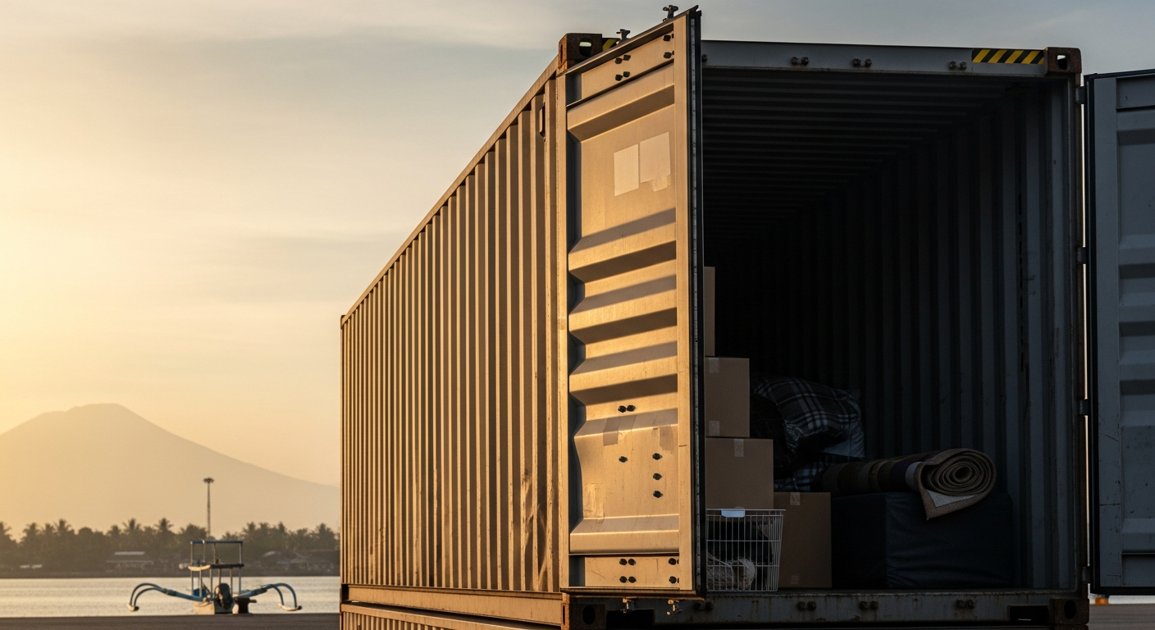
For many expatriates, the allure of Indonesia lies in the relatively low cost of high-end housing and a significantly lower daily cost of living compared to Western capitals. However, the financial logic often hits a wall at the Tanjung Priok or Tanjung Perak port gates. Bringing a 20-foot container of personal belongings into Indonesia is not merely a matter of freight costs; it is a complex navigation of one of the world’s most rigorous customs environments. In many cases, the port fees, taxes, and agency costs can exceed six months of rent in a luxury villa.
The Reality of the Red Lane
Indonesia operates a traffic light system for imports. While many commercial goods pass through the Green or Yellow lanes with minimal intervention, personal effects almost universally fall into the Red Lane (Jalur Merah). This designation means your container is subject to a 100% physical inspection.
This process is not just a formality. Customs officers will cross-reference every item in your container against your detailed packing list. Discrepancies can lead to heavy fines, seizure of goods, or weeks of delays. Because physical inspections require moving the container to a dedicated inspection area and employing labor to unpack and repack it, the costs mount daily.
The Hidden Costs of Indonesian Port Logistics
The freight quote you receive from an international mover is rarely the final price. To budget accurately, you must account for the following local charges:
- Terminal Handling Charges (THC): Fees paid to the port for moving the container from the ship to the yard.
- Demurrage and Detention: These are the most dangerous costs. Demurrage is charged for keeping the container in the port beyond the allowed “free days” (usually 3–5 days). Detention is charged for keeping the container outside the port. In Indonesia, daily rates can escalate quickly, sometimes reaching $150–$200 per day after the first week.
- Duty and Import Taxes: Unless you meet strict exemption criteria, you may be liable for Import Duty (7.5% to 15%), Value Added Tax (PPN) at 11%, and Income Tax (PPh) which ranges from 7.5% to 15% depending on whether you have a local tax ID (NPWP).
Who Qualifies for Duty-Free Import?
Indonesia does allow for the duty-free import of used personal effects, but the criteria are rigid. To qualify, you must meet the following conditions:
- Valid Residency: You must hold a KITAS (Temporary Stay Permit) or KITAP (Permanent Stay Permit) valid for at least 12 months.
- One-Time Privilege: You are generally allowed only one shipment of personal effects per family.
- Strict Timeline: Your goods must arrive in Indonesia within three months of your own arrival date as stamped in your passport.
- Used Goods Only: Items must be used and clearly intended for personal use. New items (with tags or original packaging) will be flagged and taxed as commercial imports.
Shipping vs. Sourcing Locally: The Data Comparison
Before committing to a shipping contract, compare the replacement cost of your items against the logistics total. In Indonesia, certain items are significantly cheaper to buy locally, while others carry a “luxury tax” that makes shipping them logical.
What to Ship:
- High-end Kitchenware: Quality European or American brands are difficult to find and carry a 30% markup in local retail stores.
- Quality Bedding and Linens: High-thread-count linens are considered luxury imports and are priced accordingly in Jakarta or Bali.
- Specialized Hobby Gear: High-end bicycles, surfing equipment, or professional tools are often cheaper to ship than to replace.
What to Buy Locally:
- Teak Furniture: Indonesia is a global hub for furniture production. Shipping flat-pack furniture from IKEA or Western retailers is financially illogical when high-quality solid wood pieces are available locally.
- Large Appliances: Refrigerators and washing machines are heavy, prone to damage during transit, and may face voltage and frequency issues. Local brands are affordable and come with local warranties.
- Standard Electronics: Standard televisions and monitors are widely available. Shipping them risks damage and potential “luxury” classification by customs.
Plan Your Move with Precision
Navigating the logistics of an international move requires more than just a packing list; it requires a data-driven strategy. The NewLife.Help comparison tool analyzes current shipping rates, local tax regulations, and port fees to provide you with a personalized relocation report in seconds, ensuring you don't overpay for your transition. Start Your Free Relocation Analysis
Conclusion
Importing your life into Indonesia is a logistical challenge that requires meticulous documentation and a realistic budget. By understanding the Red Lane process and the strict timelines associated with KITAS-based exemptions, you can avoid the common pitfalls that lead to spiraling port costs. Always weigh the total landed cost of your shipment against the vibrant local markets; often, the best move is to bring only what is essential and build the rest of your new life using the resources available within the archipelago.