The 5 Best Places to Live in Croatia for Expats in 2026
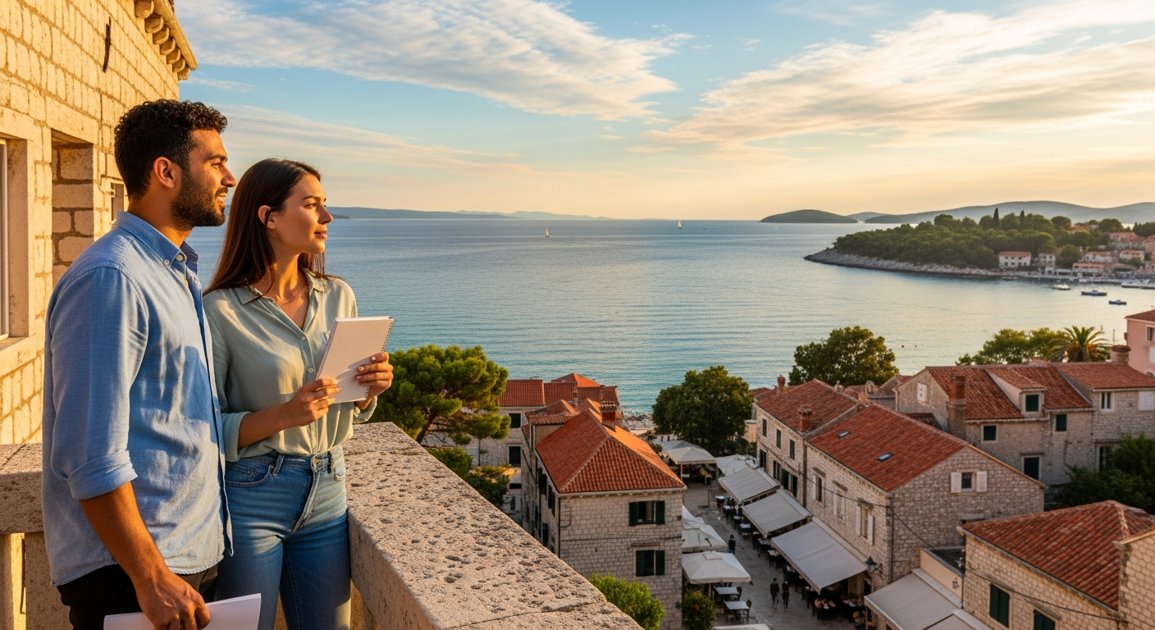
The Evolution of Croatian Living in 2026
Croatia’s full integration into the Schengen Area and the Eurozone has fundamentally reshaped its appeal for international residents. By 2026, the initial price shocks of the currency transition have stabilized, leaving behind a nation that offers a sophisticated balance of Mediterranean leisure and Central European efficiency. Identifying the best places to live in Croatia no longer involves simply picking the sunniest spot on the map; it requires a strategic look at infrastructure, year-round accessibility, and the evolving local economy. Whether you are drawn to the rugged coastline of Dalmatia or the temperate, professional atmosphere of the capital, the options for 2026 reflect a country that has matured into a premier destination for remote workers, entrepreneurs, and retirees alike.
1. Zagreb: The Hub of Continental Opportunity
Zagreb remains the undisputed center of Croatian commerce, healthcare, and education. Unlike the coastal cities that experience dramatic seasonal shifts, the capital maintains a consistent energy throughout the year. For expats who prioritize career networking and high-level infrastructure, Zagreb is frequently cited as one of the best places to live in Croatia.
Infrastructure and Lifestyle in the Capital
The city is divided into several distinct zones. The Lower Town (Donji Grad) offers classic Austro-Hungarian architecture and proximity to the city’s major museums and business districts. However, many expats in 2026 are gravitating toward Jarun, known for its lake and recreational facilities, or the more elevated, residential neighborhoods of Maksimir and Pantovčak.
- Employment: The tech sector in Zagreb has expanded significantly, bolstered by the success of homegrown giants like Rimac.
- Connectivity: Zagreb Airport provides the most consistent year-round international flight schedules in the country.
- Healthcare: Access to the nation’s top private and public hospitals is a major draw for families and retirees.
2. Split: The Dalmatian Powerhouse
Split is the primary gateway to the Adriatic islands and serves as the cultural heart of Dalmatia. In 2026, it offers a compelling mix of ancient history—centered around Diocletian’s Palace—and a rapidly modernizing urban fringe. For those seeking the best places to live in Croatia with a coastal view without sacrificing city amenities, Split is the logical choice.
Balancing Tourism and Daily Life
The challenge of living in Split has historically been the summer tourism surge. By 2026, better urban planning and the development of suburbs like Žnjan and Solin have provided expats with quieter residential options that still offer easy access to the city center. The "riva" (waterfront) remains the social epicenter, but the growing number of co-working spaces and international schools makes it more than just a vacation spot.
| Factor | Zagreb (Urban) | Split (Coastal) |
|---|---|---|
| Avg. Rent (2-bed) | €900 – €1,300 | €1,000 – €1,500 |
| Winter Climate | Cold (0°C – 10°C) | Mild (7°C – 15°C) |
| English Proficiency | Very High | High (Tourism-based) |
| Community Vibe | Professional / Fast-paced | Relaxed / Social |
3. Zadar: The Family-Friendly Alternative
Zadar is often overlooked in favor of Split or Dubrovnik, but for many expats, this is its greatest strength. It offers a flatter, more walkable layout and a significantly lower cost of living than its southern neighbors. In 2026, Zadar has emerged as a top choice for families due to its safety, proximity to national parks, and excellent local schools.
Why Zadar is a Top Contender for the Best Places to Live in Croatia
The city has invested heavily in its infrastructure over the last five years. The expansion of the Gaženica port and the local airport’s increased seasonal budget airline connections make it highly accessible. Areas like Borik and Diklo offer a suburban feel with direct beach access, while the Old Town provides a historical backdrop that is less crowded than Split.
4. Rijeka: The Cultural and Industrial Port
Rijeka is perhaps the most misunderstood city in Croatia. As a major port, it has a grittier, more industrial aesthetic than the polished stones of Dalmatia. However, this translates to a more authentic, less tourism-dependent lifestyle. It is a city of subcultures, rock music, and a liberal political leaning that many expats find refreshing.
Gateway to the Kvarner Gulf
Rijeka’s location is its primary asset. It sits at the top of the Kvarner Gulf, meaning residents can be in the mountains for skiing or on the Opatija Riviera for a swim within 20 minutes. For professionals who need to travel to Italy or Slovenia, Rijeka is the most convenient base in the country. The cost of real estate here remains competitive compared to the hyper-inflated markets of the southern coast.
5. Pula and the Istrian Peninsula
Istria offers a lifestyle that is closer to Italy than it is to the Balkans. Pula, the largest city in the region, provides a functional urban base surrounded by some of the most productive agricultural land in Europe. For expats who value gastronomy, wine, and a slower pace of life, Istria represents the pinnacle of Croatian living.
The Italian Influence and Quality of Life
Bilingualism (Croatian and Italian) is common in Pula, and the infrastructure is exceptionally well-maintained. The region is perfect for those who want to live in a smaller, safer environment while still having access to modern shopping centers and a reliable healthcare network. Outside of the city of Pula, smaller towns like Rovinj and Poreč offer high-end luxury, though they can feel quiet during the winter months.
Evaluating the Coastal vs. Urban Trade-off
Choosing between the interior and the coast involves more than just weather preferences. In 2026, the "coastal tax" is real—utilities and services in Dalmatia can be more expensive due to the logistical challenges of the terrain and the seasonal demand. Conversely, Zagreb offers a more stable rental market and a wider variety of services, from international specialized clinics to niche grocery imports.
Digital Nomadism and Remote Work in 2026
Croatia was a pioneer in the Digital Nomad Visa, and by 2026, the ecosystem for remote workers has matured. High-speed fiber-optic internet is now standard in all major cities and even many coastal villages. When deciding on the best places to live in Croatia for remote work, consider the social aspect. Zagreb and Split have the most active expat meetups, while Zadar and Pula offer a more integrated, local experience.
Practical Steps for Your Move
Relocating to Croatia requires a systematic approach to bureaucracy and local customs. Follow these steps to ensure a smooth transition:
- Determine Your Residency Path: Whether through the Digital Nomad Visa, a work permit, or family reunification, ensure your paperwork is in order before arrival.
- Secure Temporary Accommodation: Book a short-term rental for your first month to explore different neighborhoods in person. Online photos rarely capture the steepness of Split’s hills or the noise of Zagreb’s tram lines.
- Obtain an OIB: Your Personal Identification Number (OIB) is essential for everything from signing a lease to getting a SIM card.
- Navigate the Rental Market: In 2026, the best deals are still found through local networking or Croatian-language websites. Consider hiring a local consultant to help navigate the "Ugovor o najmu" (rental agreement).
- Healthcare Registration: If you are moving permanently, you will need to register with the HZZO (the national health insurance provider).
The Importance of Community and Integration
Regardless of which city you choose, the success of your move will depend on your willingness to engage with the local culture. Learning basic Croatian—though the language is notoriously difficult—is a sign of respect that opens doors in smaller communities. The Croatian concept of "pomalo" (take it easy) is the foundation of the local lifestyle; embracing this slower pace is essential for long-term satisfaction.
Final Thoughts on the Best Places to Live in Croatia
Croatia in 2026 is a nation that has successfully navigated the transition to a modern European power while retaining its unique Mediterranean charm. For those seeking professional growth and urban amenities, Zagreb remains the top choice. For those chasing the sun and a maritime lifestyle, Split and Zadar offer world-class environments. Rijeka and Pula provide excellent alternatives for those seeking cultural depth and regional connectivity. By weighing these options against your personal and professional needs, you can find your ideal home in one of the most stable and beautiful corners of Europe.
Plan Your 2026 Relocation
Navigating the legal and logistical hurdles of moving to Croatia requires up-to-date information. If you're ready to make the move, start by consulting with a certified relocation specialist who understands the 2026 tax and residency regulations. Secure your future in Croatia by beginning your search for the perfect neighborhood today.