Why Your 2026 Move to Belize Starts with the QRP: A Data-Driven Guide to Duty-Free Shipping, Foreign Income Tax, and Mainland Land Values
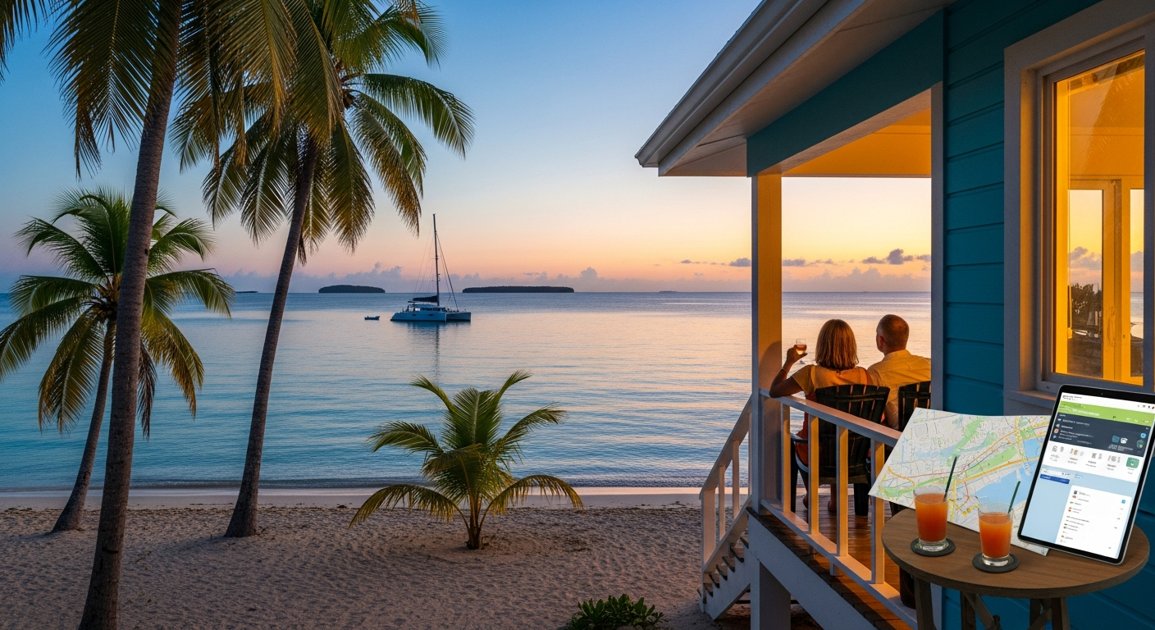
By the start of 2026, Belize is projected to see a continued 5% annual increase in foreign residency applications, driven largely by its unique position as the only English-speaking nation in Central America with a territorial tax system. For those eyeing a relocation, the Qualified Retirement Program (QRP) remains the most financially advantageous entry point. Understanding the belize qrp program requirements 2026 is not merely a matter of paperwork; it is a strategic financial move that can save an expat household between $25,000 and $75,000 in the first year alone through duty-free exemptions and tax shields. As the global landscape for remote work and offshore residency shifts, Belize’s QRP offers a stable, legislated framework for protecting assets and reducing the overhead of international relocation.
Core Fundamentals: The Belize QRP Program Requirements 2026
The QRP is managed by the Belize Tourism Board (BTB) and is designed to attract people who are self-sustaining. To qualify in 2026, the primary applicant must be at least 45 years old. This age threshold is one of the lowest globally for retirement-style visas, making it accessible for mid-career professionals who have transitioned to remote consultancy or passive income models.
The financial threshold remains consistent but requires strict documentation. Applicants must prove a monthly income of at least $2,000 USD (or $24,000 USD annually) generated from sources outside of Belize. This can include pensions, annuities, 401(k) distributions, Social Security, or investment dividends. For 2026, the BTB has streamlined the digital verification process, but the necessity of original, notarized bank statements and character references remains a pillar of the application.
The Application Checklist
- Proof of Income: A certified bank statement showing the required monthly deposit or a lump sum of $24,000 USD per year.
- Criminal Record: A clean police record from your last place of residence (issued within six months of application).
- Medical Clearance: Results from a medical exam, including blood tests for HIV and VDRL.
- Documentation: Notarized copies of your birth certificate and marriage certificate (if applicable).
- Fees: An application fee of $150 USD, followed by a program entrance fee of $1,000 USD for the primary applicant once approved.
The ROI of Duty-Free Shipping: A Quantitative Analysis
One of the most significant financial incentives of the QRP is the one-time exemption from all import duties and taxes on personal household effects. In Belize, standard import duties on consumer goods often range from 20% to 40%, plus a 12.5% General Sales Tax (GST) and an Environmental Levy. For an expat moving a full household of furniture, electronics, and high-end appliances, the savings are substantial.
Consider a scenario where a family imports $50,000 worth of household goods and a $40,000 vehicle. Under standard residency or tourist status, the combined duties and taxes could easily exceed $25,000. Under the QRP, these costs are effectively zero for the initial move.
| Item Category | Estimated Value (USD) | Standard Duty/Tax (35% Avg) | QRP Cost | Total Savings |
|---|---|---|---|---|
| Household Furniture | $15,000 | $5,250 | $0 | $5,250 |
| Electronics/Appliances | $10,000 | $3,500 | $0 | $3,500 |
| Personal Vehicle (SUV) | $40,000 | $14,000 | $0 | $14,000 |
| Total | $65,000 | $22,750 | $0 | $22,750 |
Furthermore, the QRP allows for the duty-free importation of a new vehicle every five years, provided the old vehicle is sold or exported. This benefit ensures that long-term residents can maintain modern transportation without the heavy tax burden usually associated with vehicle ownership in Central America.
Mainland Land Values vs. Island Living: Cayo vs. Ambergris Caye
When planning your 2026 move, the choice of location significantly dictates your long-term return on investment. The real estate market in Belize is bifurcated between the high-demand, high-cost islands and the expanding, high-value mainland districts. Understanding the belize qrp program requirements 2026 for residency is only half the battle; the other half is capital allocation.
Ambergris Caye: The Premium Island Market
Ambergris Caye, particularly San Pedro, remains the most popular destination for expats. However, land values here have reached a maturity phase. In 2026, a standard beachfront lot on the island may cost between $350,000 and $600,000 USD. The appreciation rate is steady at roughly 4-6% annually, but the entry price is high. Development on the island also faces higher construction costs due to the need to barge materials from the mainland, adding a 15-25% premium on building expenses.
The Cayo District: The Value Play
In contrast, the Cayo District (San Ignacio, Santa Elena, and Spanish Lookout) offers a more compelling data-driven case for land value growth. Acreage in Cayo can still be acquired for $10,000 to $30,000 USD per acre for fertile, non-riverfront land. Riverside parcels or elevated lots with Maya Mountain views command more, but still represent a fraction of island costs. Cayo is seeing an influx of "eco-luxury" developments, and with the improvement of the George Price Highway, accessibility is increasing. For an expat under the QRP, purchasing five acres in Cayo provides both a residence and a tangible asset that is appreciating at 8-10% annually as the mainland develops.
Strategic Tax Advantages: Foreign Income and Capital Gains
Belize operates on a territorial tax system. This means that the government only taxes income earned within the borders of Belize. For QRP participants, this is reinforced by specific legislation that exempts all foreign-sourced income from Belizean income tax. This includes remote work for a company based in the US or UK, rental income from properties outside Belize, and capital gains from international stock portfolios.
In 2026, as more countries implement global tax reporting standards, Belize remains a transparent but tax-friendly jurisdiction. By meeting the belize qrp program requirements 2026, you establish a legal tax residence in a country with zero capital gains tax and no inheritance tax. This makes Belize an ideal hub for estate planning and wealth preservation for families looking to exit high-tax environments.
Navigating the Logistics of a 2026 Move
Moving your life to Belize requires a 12-to-18-month lead time. The QRP application process typically takes 3 to 6 months for approval. Because the program requires you to remain in Belize for 30 consecutive days within your first year to maintain status, planning your initial entry is critical.
Step-by-step logistics for 2026:
- Quarter 1: Audit your foreign income sources to ensure they meet the $2,000/month threshold. Consult with a Belizean attorney to begin the QRP application.
- Quarter 2: Collect all required civil documents. Obtain an apostilled or notarized copy of your FBI/State police record (for US citizens) or national police check.
- Quarter 3: Finalize your shipping inventory. Under QRP, you must submit a list of all items you intend to import duty-free. It is better to over-list than under-list.
- Quarter 4: Secure your mainland or island property. If building, ensure your contractors understand the duty-free status for your personal tools and equipment.
Frequently Asked Questions
Can I work in Belize under the QRP?
Under the QRP, you are strictly prohibited from working for any company or entity within Belize. However, you are permitted to work for offshore companies, consult for international clients, and manage your foreign investments. If you wish to own and operate a local business that employs Belizeans, you may need to look into a work permit or permanent residency instead.
Does the QRP lead to citizenship?
The QRP does not directly lead to Belizean citizenship. It is a residency incentive program. If your goal is citizenship, you must typically pursue Permanent Residency, which requires you to remain in the country for a year without leaving for more than 14 days and then wait five years before applying for naturalization. The QRP is designed for those who want the tax and duty benefits without the strict physical presence requirements of the PR track.
Can I include my family in the QRP application?
Yes, the QRP allows the primary applicant to include their spouse and any children under the age of 18. If a child is between 18 and 23 and is enrolled in a university, they can also be included as a dependent. Each dependent must provide the same medical and police clearances as the primary applicant.
What happens if I sell my duty-free car?
If you sell your duty-free vehicle within Belize, the buyer will be required to pay the pro-rated duties and taxes to the Belize Customs Department. If you have owned the vehicle for more than five years, you can import a replacement vehicle duty-free, but the original vehicle must be disposed of according to customs regulations (either by paying the duty, exporting it, or donating it to a registered charity).
Is there a minimum stay requirement for QRP?
To maintain your QRP status, you are required to spend at least 30 consecutive days per year in Belize. This is a significantly lower requirement than the Permanent Residency path, making it ideal for those who still plan to travel internationally or maintain a part-time presence in their home country.
Conclusion
The decision to relocate to Belize in 2026 should be rooted in a clear understanding of the financial and legal frameworks available. The QRP remains the gold standard for expats who prioritize tax efficiency and the ability to import their lifestyle without the penalty of heavy duties. While the allure of Ambergris Caye’s turquoise waters is undeniable, the mainland, particularly the Cayo District, offers a more robust path for those seeking land value appreciation and larger estates. By carefully preparing for the belize qrp program requirements 2026 and leveraging the country’s territorial tax system, you can secure a lifestyle that is both adventurous and fiscally responsible. Belize is not just a destination; for the data-driven expat, it is a strategic asset.
Plan Your Move with Precision
Navigating the legalities of international relocation requires professional guidance. If you are ready to begin your QRP application or need assistance identifying high-value land opportunities in the Cayo District, contact a licensed Belizean relocation specialist today. Secure your financial future in the heart of the Caribbean.