Why Split is the Best Croatian City for Your 2026 Move
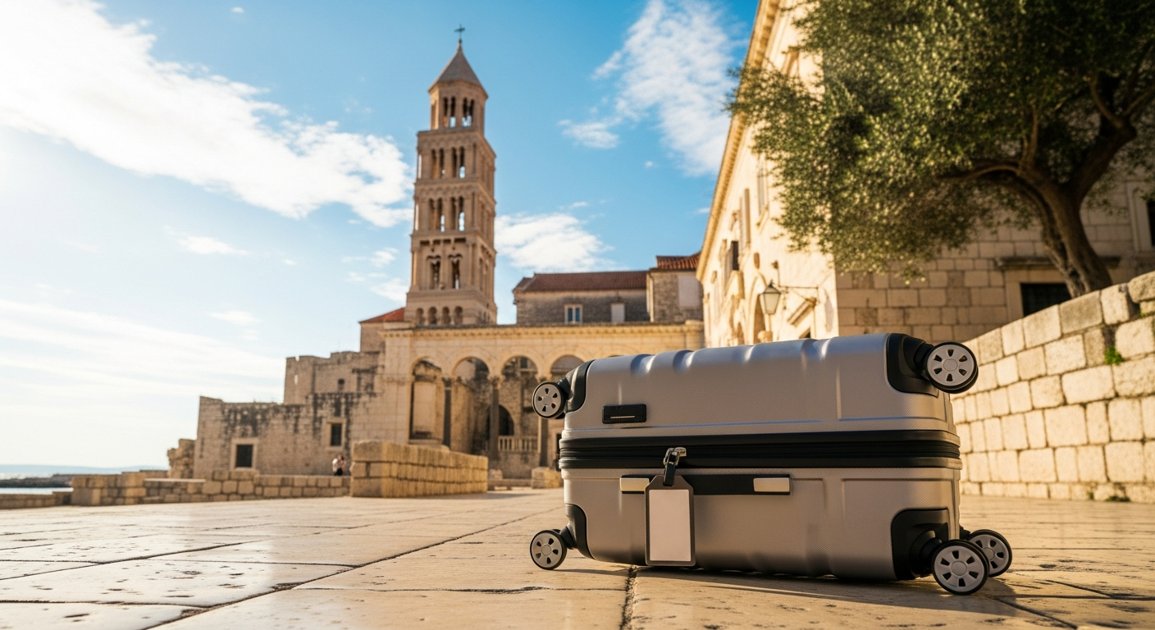
Croatia has officially transitioned from a seasonal vacation destination to one of Europe’s most competitive hubs for long-term relocation, with Split emerging as the primary beneficiary of this shift. As of 2024, the nation’s integration into the Schengen Area and the Eurozone has stabilized its economy, making it a predictable and attractive environment for foreign investment and residency. For professionals, digital nomads, and families planning on moving to split croatia in 2026, the city offers a rare equilibrium between high-tech connectivity and a Mediterranean pace of life that its rivals, Zagreb and Dubrovnik, fail to match in the current climate.
The Strategic Advantage of Split in 2026
While Zagreb serves as the administrative heart and Dubrovnik as the historical jewel, Split functions as the operational engine of the Dalmatian coast. By 2026, several infrastructure projects, including the expansion of the city's suburban bypass and the modernization of the port facilities, will be complete. This makes Split the most accessible coastal city in the country. Unlike the capital, which suffers from gloomy continental winters, or Dubrovnik, which effectively shutters many of its services during the off-season, Split remains a living, breathing city 365 days a year.
Climate and Lifestyle: The 'Pomalo' Philosophy
The Mediterranean climate is a significant driver for relocation. Split enjoys over 2,600 hours of sunshine per year. However, the true appeal lies in the local philosophy of "pomalo"—a concept that translates roughly to "take it easy." In a post-remote-work world, the ability to balance a high-pressure career with a mandatory afternoon coffee on the Riva (the seafront promenade) is not just a luxury; it is a proven method for preventing burnout. This lifestyle is more authentic in Split than in the tourist-saturated streets of Dubrovnik, where the local population is increasingly displaced by short-term rentals.
Financial Planning: The Cost of Moving to Split Croatia
Relocating to the Adriatic coast requires a clear-eyed assessment of the financial landscape. While Croatia is no longer the "budget" destination it was a decade ago, Split offers superior value for money compared to other European coastal hubs like Nice or Barcelona. When compared to Dubrovnik, Split’s housing market is significantly more accessible, and compared to Zagreb, the cost of heating and winter maintenance is drastically lower.
| Expense Category | Split (Average) | Zagreb (Average) | Dubrovnik (Average) |
|---|---|---|---|
| One-Bedroom Apartment (Monthly Rent) | €850 – €1,200 | €750 – €1,000 | €1,300 – €1,800 |
| Utilities (Electricity, Water, Trash) | €140 | €175 | €160 |
| High-Speed Internet (Fiber Optic) | €30 | €30 | €35 |
| Monthly Grocery Budget (Single Person) | €350 | €320 | €450 |
| Mid-Range Restaurant Meal | €18 | €15 | €30 |
Real Estate Considerations
When moving to split croatia, the timing of your property search is critical. The market is bifurcated between the historical center (Old Town and Varoš) and the modern residential districts (Meje, Bačvice, and Žnjan). For those seeking a balance of amenities, the Žnjan district is undergoing a massive redevelopment slated for completion by 2026, which will include new parks, bike paths, and improved coastal access. Meje remains the most prestigious neighborhood, offering proximity to the Marjan Forest Park, the city’s "green lungs."
Infrastructure and Modern Connectivity
One of the most common misconceptions about coastal living in Croatia is that it involves sacrificing modern infrastructure. In Split, this is far from the truth. The city has seen aggressive 5G rollout and the expansion of co-working spaces such as The Works and Amosfera. For those working for international firms, the Split Airport (SPU) provides direct connections to major European hubs like London, Frankfurt, and Paris, with increased flight frequencies scheduled for the 2026 season.
Healthcare and Education
Split is home to the KBC Split (Klinički bolnički centar), the largest hospital in the Dalmatian region, which serves as a teaching hospital for the University of Split. For expats, the availability of English-speaking specialists is higher here than in any other coastal city. Families will find several international school options, though many resident expats choose to integrate their children into the local system, which is high-performing and safe. The University of Split itself is consistently ranked among the best in the region, particularly in the fields of oceanography and engineering.
Comparing Split, Zagreb, and Dubrovnik
To understand why Split is the superior choice for 2026, one must evaluate the trade-offs of its primary competitors. Zagreb is the only true metropolis in Croatia. It offers more diverse career opportunities in finance and government but lacks the outdoor lifestyle that draws people to the Mediterranean. The winters are long, and the city lacks the "blue space" proven to enhance mental well-being.
Dubrovnik, on the other hand, is arguably one of the most beautiful cities in the world, but it is functionally a museum. The cost of living is artificially inflated by the cruise ship industry, and the city’s geography—squeezed between the mountains and the sea—makes traffic and expansion difficult. Split offers the urban density of a real city with the natural beauty of the coast. It is large enough to get lost in, yet small enough to navigate on foot.
Practical Relocation Checklist for 2026
- Visa and Residency: Ensure your application for the Digital Nomad Visa (boravak) or a work permit is submitted at least six months in advance. The MUP (Ministry of the Interior) in Split is efficient but handles a high volume of requests.
- Housing: Aim to sign a "long-term" lease that specifically includes the summer months. Many landlords attempt to evict tenants in June to accommodate daily tourists; legal contracts are essential to prevent this.
- Taxation: Consult with a cross-border tax specialist. Croatia has double-taxation treaties with many nations, but the 2026 regulations may have updated reporting requirements for global income.
- Banking: Open a local Euro-denominated account. While digital banks like Revolut are widely used, a local account is often required for utility contracts and government fees.
Frequently Asked Questions
Is Split safe for families and solo residents?
Croatia is consistently ranked among the safest countries in the world. In Split, violent crime is extremely rare. It is common to see children playing in public squares late into the evening and solo individuals walking in any neighborhood at night without concern. The primary safety concerns are related to maritime safety during the summer and petty pickpocketing in high-traffic tourist areas.
How difficult is the language barrier in Split?
English is spoken fluently by the majority of the population under 50, particularly in the service, medical, and tech sectors. While you can navigate daily life entirely in English, learning basic Croatian is highly recommended for building relationships with locals and navigating the bureaucracy (the infamous "papirologija").
What is the job market like for expats in Split?
The local job market is heavily weighted toward tourism, maritime logistics, and IT. Most expats moving to Split are either remote workers for foreign companies or entrepreneurs starting their own businesses. The "Digital Nomad Valley" in the nearby town of Zadar and the tech hubs in Split offer growing networking opportunities.
Can I own a car in Split, or is public transport sufficient?
Public transport consists of a reliable bus network (Promet Split). However, if you plan on exploring the surrounding mountains or the inland Dalmatian Zagora, a car is beneficial. Be aware that parking in the city center is notoriously difficult and expensive. If you are moving to a central neighborhood, a scooter is often the most practical mode of transport.
Conclusion
Choosing a new home is a calculated decision that balances aspiration with logistics. Split, Croatia, offers a unique value proposition for 2026: it provides the infrastructure of a modern European city without sacrificing the environmental and social benefits of the Mediterranean. Unlike the isolation of Dubrovnik or the continental chill of Zagreb, Split offers a vibrant, year-round community that rewards those who seek a slower, more intentional way of living. By focusing on the emerging neighborhoods, securing a solid legal footing for residency, and embracing the local pace of life, you can turn a relocation to the Adriatic into a sustainable long-term success. The city is ready; the question is whether you are ready for the change.
Expert Guidance for Your Move
Navigating the complexities of Croatian residency, tax laws, and real estate requires local expertise. If you are ready to begin your transition to the Dalmatian coast, contact our relocation advisory team today for a comprehensive consultation tailored to the 2026 regulatory environment.