Why Chile is the Safest 2026 Destination for Your Pets: A Data-Driven Guide to SAG Permits, Quarantine Myths, and Airline Logistics
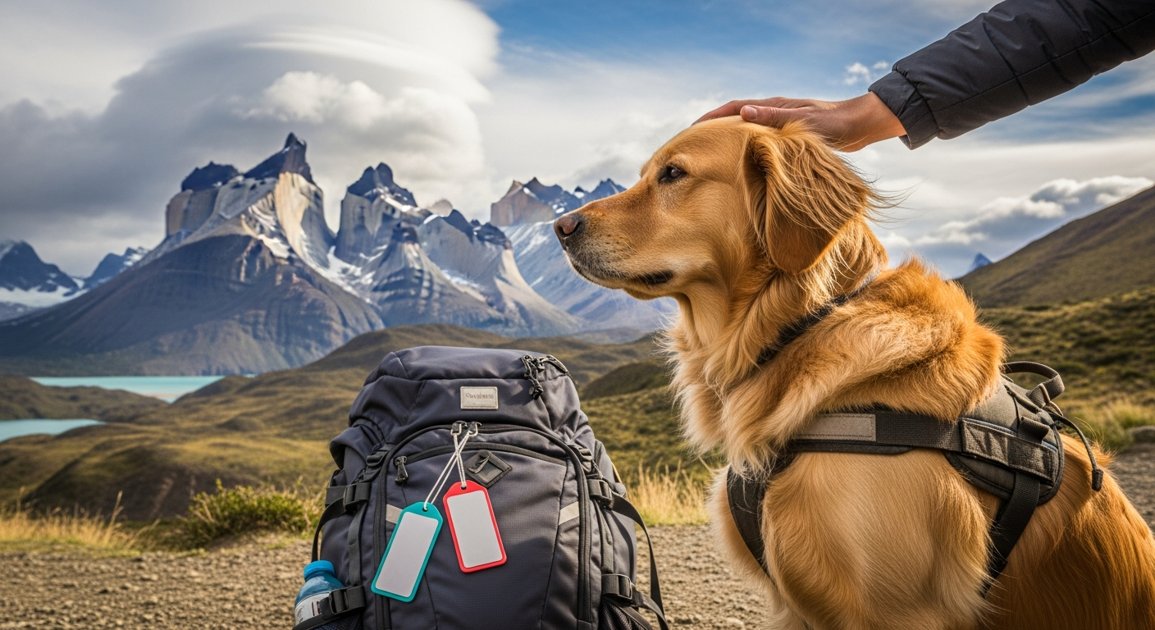
Chile maintains one of the most rigorous biosecurity perimeters in the world, a geographical advantage that has kept the country free of terrestrial rabies and several other major zoonotic diseases for decades. For families and individuals moving to chile with pets in 2026, this biological isolation serves as a primary insurance policy for animal health. Unlike many other South American destinations where local health standards can be inconsistent, Chile’s Servicio Agrícola y Ganadero (SAG) operates with a standardized, data-driven framework that prioritizes the safety of the domestic ecosystem and arriving animals alike. By adhering to a clear set of bureaucratic requirements, pet owners can bypass the logistical hurdles that often plague international relocation.
Understanding SAG: The Gatekeeper of Animal Health
The Servicio Agrícola y Ganadero (SAG) is the Chilean government body responsible for protecting the country’s agricultural and animal health. When moving to chile with pets, your primary point of interaction will be with SAG officials at your port of entry, most commonly Arturo Merino Benítez International Airport (SCL) in Santiago. SAG does not view pets as mere baggage; they are viewed as potential vectors for disease, which is why their documentation requirements are non-negotiable.
In 2026, SAG has shifted toward more digital integration, allowing for the pre-uploading of documents in some cases, though original physical copies remain mandatory for the final inspection. The core mission of SAG is to ensure that no exotic parasites or viruses—such as Leishmaniasis or Rabies—enter the territory. Because Chile is recognized by the World Organisation for Animal Health (WOAH) as being free of terrestrial rabies, the entry requirements for dogs and cats are specifically designed to maintain this status.
The 2026 Timeline for Moving to Chile with Pets
Success in pet relocation is measured by the precision of your timeline. Missing a vaccination window by even 24 hours can result in a denied entry or a costly return flight for the animal. Use the following table to track the critical milestones in your preparation.
| Timeline | Action Required | Details |
|---|---|---|
| 6 Months Out | Microchipping | Must be ISO 11784 or 11785 compliant (15 digits). |
| 3-6 Months Out | Primary Vaccinations | Rabies, Distemper, Parvovirus, Hepatitis, Leptospirosis (Dogs); Rabies, Panleukopenia, Calicivirus, Rhinotracheitis (Cats). |
| 30 Days Out | Parasite Treatment | Internal and external treatments must be administered by a licensed vet. |
| 10 Days Out | International Health Certificate | Issued by a government-accredited veterinarian (e.g., USDA in the US). |
| 48 Hours Out | Final Logistics Check | Confirm airline temperature restrictions and crate dimensions. |
Microchipping and Identification
Chile requires all dogs and cats to be identified with a microchip. The chip must be implanted before the final rabies vaccination, as the chip number must be recorded on the vaccination certificate to link the animal to the medical record. If your pet has a non-ISO compliant chip (10 or 12 digits), you must provide your own microchip reader at the border. In 2026, it is highly recommended to use the standard 15-digit ISO chip to avoid any technical delays at the SAG station.
Vaccination Requirements and Timing
The rabies vaccine is the most critical document in your folder. For entry into Chile, the vaccine must be administered at least 30 days prior to arrival and no more than 12 months before arrival. Even if your pet has a 3-year rabies vaccine, SAG often prefers documentation showing a booster within the last 12 months if the original was older. For dogs, SAG also looks for the "Sextuple" or "Octuple" vaccine which covers Distemper, Parvovirus, and Leptospirosis. For cats, the "Triple Feline" vaccine is the standard.
Debunking the Mandatory Quarantine Myth
One of the most persistent myths regarding moving to chile with pets is the fear of a mandatory 30-day quarantine in a government facility. To be clear: Chile does not require a facility-based quarantine for domestic dogs and cats that arrive with correct and authenticated documentation.
Upon arrival, a SAG official will conduct a physical inspection of the pet and a thorough review of the paperwork. If the pet appears healthy and the International Health Certificate is valid, the pet is released to the owner immediately. In rare cases where paperwork is slightly incomplete or a pet shows minor symptoms of a non-contagious condition, SAG may mandate a "Home Quarantine" (Aislamiento Domiciliario). This allows the pet to stay at your new residence in Chile under the condition that you do not move the pet for a specified period (usually 10 to 15 days) and allow for a potential follow-up visit from a local SAG inspector. Facility-based quarantine is only reserved for exotic species or animals arriving from countries with high-risk outbreaks that have not met any of the entry criteria.
Logistics and Airline Strategies for Moving to Chile with Pets
The flight to Chile is often the most stressful part of the process, particularly for long-haul arrivals from North America, Europe, or Oceania. Most pet entries occur at Santiago (SCL), which is well-equipped for animal processing. However, the airline you choose dictates the safety and comfort of the transit.
Choosing the Right Carrier
LATAM Airlines is the dominant carrier in the region and has extensive experience with live animal transport. They offer three options: in-cabin (for very small pets), checked baggage (as AVih), and manifest cargo. In 2026, many US-based carriers have restricted pet travel to in-cabin only, meaning larger dogs must often fly via specialized cargo services like Lufthansa Cargo or through LATAM’s cargo division. Always verify the airline's "Pet Policy" specifically for the Boeing 787 or Airbus A350 aircraft usually used for these routes, as cargo hold pressure and temperature control vary by model.
IATA-Compliant Crates
Airlines strictly enforce International Air Transport Association (IATA) Container Requirement 1. The crate must be large enough for the pet to stand, turn around, and lie down in a natural position. It must have a solid, leak-proof bottom and ventilation on at least three sides (four sides for international flights). Crucially, the crate must be secured with metal bolts rather than plastic clips. In 2026, SAG and airlines are increasingly checking for the presence of water bowls that can be filled from the outside of the crate without opening the door.
Temperature Restrictions
Chile’s seasons are the reverse of the Northern Hemisphere. If you are moving from the US or Europe in July, you are moving from summer into the Chilean winter. Airlines will often refuse to fly pets if the ground temperature at any point in the itinerary is above 85°F (29°C) or below 45°F (7°C). Because Santiago can experience morning frosts in July and heatwaves in January, timing your flight for late evening or early morning arrivals is a strategic necessity to ensure your pet is allowed to board.
The Cost of Relocation: A Data-Driven Estimate
Budgeting for a pet move involves more than just the airline ticket. In 2026, owners should expect the following average costs for a medium-sized dog moving from North America to Chile:
- International Health Certificate & Vet Fees: $300 – $600
- IATA-Compliant Crate: $150 – $400
- Airline Pet Fee (Manifest Cargo): $1,200 – $2,500
- SAG Entrance Fee: Approximately $15 - $30 (payable at the airport)
- Customs Broker (If flying cargo): $200 – $500
Note that pets flying as "checked baggage" with their owners are significantly cheaper than those flying as "manifest cargo." However, manifest cargo often provides a higher level of oversight and is sometimes the only option for large breeds.
Frequently Asked Questions
Does Chile ban specific dog breeds?
As of 2026, Chile does not have a federal ban on specific breeds like Pitbulls or Rottweilers for entry. However, these are classified as "potentially dangerous breeds" under the Ley de Tenencia Responsable (Ley Cholito). Owners must register these dogs with the National Registry and follow specific leash and muzzle laws in public spaces. Some airlines may also have their own restrictions on brachycephalic (flat-faced) breeds due to respiratory risks during flight.
How long is the SAG inspection process at the airport?
If your documents are in order and you have paid the arrival fee, the physical inspection usually takes between 30 and 60 minutes. It is advisable to schedule your arrival during weekday business hours if possible, although SAG maintains 24/7 presence at Arturo Merino Benítez International Airport for scheduled international arrivals.
Can I bring pet food into Chile?
SAG is extremely strict about organic products. You are generally allowed to bring a small, opened bag of pet food for the first 24-48 hours, but it must be clearly labeled and declared. Large quantities of pet food are often confiscated to prevent the introduction of agricultural pests. Chile has high-quality pet food brands (both local and international) readily available in all major cities.
What happens if my pet’s rabies vaccine expires shortly after arrival?
You must revaccinate your pet in Chile before the expiration date. Chile has a robust network of veterinary clinics. Once you are settled, you should register your pet’s microchip in the Chilean National Pet Registry (Registro Nacional de Mascotas), which requires a certificate from a local vet confirming the pet's health and vaccination status.
Final Preparations for a Successful Move
Relocating to a new country is a complex undertaking, but moving to chile with pets is a manageable process when approached with a focus on biosecurity and data-driven planning. Chile’s lack of terrestrial rabies and its modern SAG infrastructure make it one of the safest destinations for domestic animals in the Southern Hemisphere. By securing an ISO-compliant microchip, adhering to the strict 30-day vaccination window, and selecting an airline with a proven track record of animal safety, you ensure that your pet’s transition is as stable as your own. Chile’s “Ley Cholito” ensures a culture of responsible pet ownership, meaning that once you pass through the SAG gates, you and your pet will find a welcoming, pet-friendly environment ready for your arrival.
Ready to Start Your Chilean Relocation?
Don't leave your pet's safety to chance. Download our 2026 SAG Documentation Checklist today and ensure every stamp and signature is in place before you head to the airport. Proper preparation is the key to a stress-free entry into your new home.