Why Argentina’s ‘Sobremesa’ Culture Redefines Your Social Life: A 2026 Guide to Community Integration, Late-Night Dining, and Networking Realities
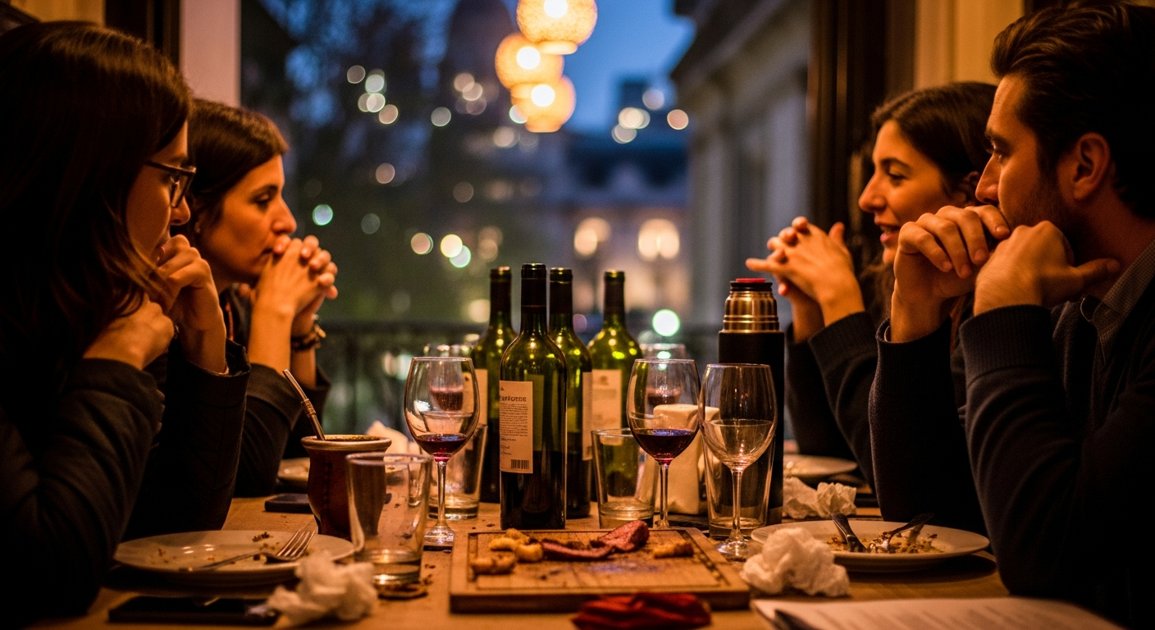
Argentina consistently ranks as one of the most socially connected nations in South America, maintaining a cultural framework where the average dinner lasts twice as long as in Northern Europe or North America. In this argentina expat lifestyle guide 2026, we analyze how the specific ritual of the sobremesa—the period of conversation after a meal—serves as the foundational element for both community integration and professional success. While many relocation guides focus exclusively on visa logistics and tax residency, the actual success of an international move to Argentina depends on your ability to recalibrate your internal clock and social expectations to match a society that prioritizes human connection over transactional efficiency.
The Architecture of Sobremesa: Defining the Post-Meal Ritual
To understand the sobremesa is to understand the Argentine psyche. It is not merely "lingering" at a table; it is a dedicated social space that occurs after the food has been consumed but before anyone departs. In 2026, even as digital acceleration changes how people work in Buenos Aires and Córdoba, the sobremesa remains a non-negotiable cultural pillar. For the expat, attempting to ask for the check (la cuenta) as soon as the last bite is finished is often perceived as a signal of social disinterest or personal offense.
Statistically, a standard lunch or dinner in Argentina involves a minimum of 45 to 90 minutes of sobremesa. During this time, the heavy lifting of relationship building occurs. Whether you are dining with potential business partners or new neighbors, the topics transition from surface-level pleasantries to deep-dive discussions on politics, philosophy, and personal history. This is where trust—the most valuable currency in Argentina—is minted.
Strategic Integration: Using the Argentina Expat Lifestyle Guide 2026 to Build Community
Integration into a new culture requires more than just language proficiency; it requires an understanding of social pacing. Our argentina expat lifestyle guide 2026 emphasizes that social capital in Argentina is built through consistency and presence. You cannot "hack" your way into a community here; you must be present at the table. In 2026, as remote work continues to saturate the local economy, the distinction between those who merely live in Argentina and those who belong to its community is defined by their participation in these extended social rituals.
The Sunday Asado Protocol
The asado (barbecue) is the apex of Argentine social life. If you are invited to one, you have reached a significant milestone in your integration. However, there are specific protocols to follow to ensure you are invited back:
- Arrival Time: Showing up exactly on time is often considered early. Aim for 30 to 45 minutes after the stated time unless specified otherwise.
- The Contribution: Always bring a high-quality bottle of Malbec or a side dish/dessert. In 2026, artisanal contributions are particularly valued.
- The Applause: It is customary to offer a round of applause for the asador (the person cooking) once the meal is served.
- The Endurance: An asado that starts at 1:00 PM will likely result in a sobremesa that lasts until 5:00 PM or 6:00 PM. Do not plan any other activities for your Sunday.
Language and Nuance in Conversation
While Spanish is the medium, the sobremesa is the message. In 2026, the use of local slang (lunfardo) remains a sign of respect for the culture. Even if your grammar is imperfect, engaging in the spirited, sometimes argumentative style of Argentine debate is seen as a sign of intellectual vitality. Avoiding conflict is not the goal; engaging in passionate, respectful disagreement is often how friends are made.
The Logistical Reality of Late-Night Dining
One of the most significant adjustments for those moving from the US or UK is the timing of the evening meal. In Buenos Aires, most restaurants do not even open for dinner until 8:00 PM, and they remain empty until at least 9:30 PM. Peak dining hours are typically between 10:00 PM and midnight. This shift has profound implications for your daily schedule and productivity.
| Activity | Standard US/EU Time | Argentina Standard Time (2026) |
|---|---|---|
| Morning Coffee / Breakfast | 7:00 AM - 8:30 AM | 9:00 AM - 10:30 AM |
| Lunch | 12:00 PM - 1:00 PM | 1:30 PM - 3:00 PM |
| Merienda (Afternoon Snack) | N/A | 5:30 PM - 7:00 PM |
| Dinner | 6:00 PM - 7:30 PM | 9:30 PM - 11:30 PM |
| Socializing / Drinks | 8:00 PM - 10:00 PM | 12:00 AM - 3:00 AM |
Adapting to this schedule is essential for your social life. If you insist on eating dinner at 6:30 PM, you will likely eat alone in a tourist-heavy establishment, missing the vital community interactions that occur during peak hours. To manage this, the merienda—a late afternoon tea or coffee with pastries—is a functional necessity to bridge the gap between lunch and the late-night dinner.
Social Capital and the Argentina Expat Lifestyle Guide 2026 Networking Strategy
In Argentina, professional networking is rarely a formal event with name tags and elevator pitches. Instead, it is an extension of the sobremesa culture. Decisions are made and partnerships are formed over long coffees or late-night steaks. If you are operating in the Argentine market in 2026, you must recognize that your professional reputation is inextricably linked to your social standing.
Establishing 'Confianza' (Trust)
Business transactions in Argentina are relationship-based. Before discussing contracts or deliverables, your counterparts will want to know who you are as a person. Expect the first few meetings to be entirely social. Use this time to demonstrate your commitment to the local lifestyle. This is the core of the argentina expat lifestyle guide 2026 networking philosophy: invest in the person first, and the business will follow.
The Role of the 'Cafecito'
The cafecito (a small coffee) is the primary vehicle for business networking. Unlike the "grab-and-go" culture of New York or London, a coffee meeting in Argentina lasts at least an hour. It is considered rude to look at your watch or phone. This time is used to gauge your character. In 2026, despite the rise of virtual meetings, the physical presence in a traditional cafe like Café Tortoni or a modern specialty shop in Palermo remains the gold standard for closing deals.
Practical Steps for Community Integration
To successfully integrate, you must move beyond the "expat bubble." While it is comfortable to associate only with other foreigners, it limits your understanding of the local economy and social dynamics. Follow these steps to embed yourself in the local fabric:
- Join a 'Club de Barrio': These neighborhood clubs are the heart of community life. Whether for sports, cards, or social events, they offer a direct line to local families.
- Utilize the 'Verduleria' and 'Carniceria': Avoid large supermarkets for everything. Frequent your local vegetable stand and butcher. Establishing a rapport with these vendors (who often provide the best local intel) is a foundational step in becoming a "neighbor" rather than a "tourist."
- Host Your Own Sobremesa: Once you have a home, invite neighbors for a meal. Do not rush them out. Show that you have mastered the art of the post-meal conversation.
- Engage with Local Politics and Economics: Argentines are highly engaged with their country's situation. Being informed about current events in 2026 will provide you with endless conversation material for your sobremesa.
Frequently Asked Questions
Is it necessary to speak fluent Spanish to enjoy the social life?
While you can navigate basic needs with English in major hubs like Buenos Aires, deep social integration and participation in sobremesa require at least an intermediate level of Spanish. Argentines are patient and appreciative of effort, but the nuances of post-dinner conversation are lost without the language.
How do I handle work-from-home if my clients are in a different time zone?
Many expats in 2026 use a "split-shift" approach. They align their core work hours with North American or European mornings/afternoons and leave their evenings free for the late-night Argentine social schedule. This allows for both professional productivity and cultural participation.
Is tipping expected during a long sobremesa?
In Argentina, a 10% tip (propina) is standard for good service. If you occupy a table for several hours during a sobremesa, it is courteous to ensure your tip reflects the length of your stay, though waiters generally expect and respect the long-table culture.
Is late-night dining safe in major cities?
Major cities like Buenos Aires, Rosario, and Mendoza are very active at night. The high volume of people out at 11:00 PM actually contributes to a sense of "street safety" in many neighborhoods. However, as with any major city, it is important to remain aware of your surroundings and stick to well-lit, populated areas.
What is the 'merienda' and why is it important?
The merienda is a light meal taken between 5:00 PM and 7:00 PM. It typically consists of coffee, tea, and facturas (pastries). It is crucial because it provides the energy needed to wait until the 10:00 PM dinner hour, and it serves as another vital window for social or business meetings.
Conclusion
Success in Argentina is measured not by the efficiency of your schedule, but by the depth of your relationships. The sobremesa is more than a habit; it is a manifestation of a culture that values the individual over the clock. By embracing late-night dining, prioritizing social capital, and allowing conversations to breathe, you transition from a temporary resident to a true member of the community. As you follow this argentina expat lifestyle guide 2026, remember that the most important work you will do in the country often happens after the plates have been cleared. Are you ready to start your transition? Contact our relocation specialists today to begin your residency application and lifestyle planning.