Why are Savvy Expats Moving to the Portuguese Interior? A Data-Driven Guide to Low-Density Tax Breaks, Renovation Budgets, and the Real Cost of Village Life
Beyond the Coast: The Shift Toward the Portuguese Interior
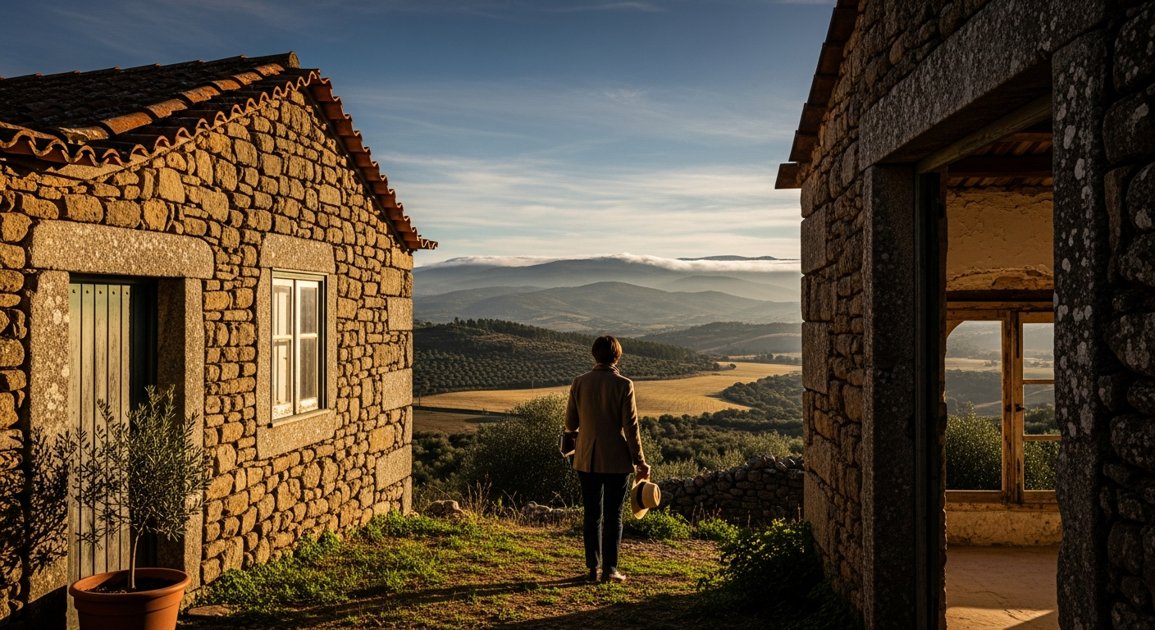
For years, the global focus on Portugal centered almost exclusively on the Algarve’s beaches and Lisbon’s historic hills. However, a significant shift is occurring. Savvy expatriates are increasingly bypassing the saturated coastal markets in favor of the Portuguese interior—regions like Beira Baixa, Alentejo Central, and Alto Tâmega. This move isn't merely about seeking a slower pace of life; it is driven by calculated financial incentives, lower entry costs, and significant tax advantages offered by the Portuguese government to revitalize low-density territories.
The Financial Logic of Low-Density Regions
In Portugal, 'low-density' is a formal designation based on population density and GDP per capita. Choosing a property in these areas provides immediate fiscal benefits that are unavailable in major metropolitan hubs.
Tax Incentives and Reductions
- IMT (Property Transfer Tax) Reductions: Many municipalities in the interior offer substantial reductions or total exemptions on IMT for those purchasing their first permanent residence in the region.
- IMI (Municipal Property Tax) Exemptions: Owners who rehabilitate properties in designated Urban Rehabilitation Areas (ARUs) can benefit from IMI exemptions for three to five years.
- Income Tax (IRS) Benefits: Under specific programs like 'Programa Regressar' or incentives for professionals in high-value-added activities, moving to the interior can lead to increased tax deductions for house rent or mortgage interest.
- Reduced VAT for Renovations: Construction work for the rehabilitation of buildings located in ARUs is eligible for a reduced VAT rate of 6%, significantly lowering the cost compared to the standard 23%.
Calculating Renovation Budgets: A Realistic Framework
The allure of a €50,000 stone ruin is strong, but the actual cost of making such a structure habitable requires a disciplined budgetary approach. Restoration in the interior follows different economic rules than new builds in the city.
Typical Cost Estimates per Square Meter
- Basic Cosmetic Refresh: €400 – €600 per sqm. This includes painting, floor refinishing, and updated fixtures.
- Structural Rehabilitation: €800 – €1,200 per sqm. This covers roof replacement, new plumbing, electrical systems, and insulation.
- Total Ruin Restoration: €1,500+ per sqm. This often involves retaining only the exterior stone walls and rebuilding the entire internal structure to modern standards.
Common Budgetary Pitfalls
- Accessibility Surcharges: If your property is in a remote village with narrow streets, expect to pay a premium for small-vehicle delivery of construction materials.
- Utility Connection Fees: Many older rural properties lack modern sewage or high-speed fiber optic connections. Factor in €2,000 to €5,000 for these essential upgrades.
- Heritage Constraints: Properties in protected zones may require specific materials (like lime mortar or specific wood types) which increase both material and labor costs.
The Real Cost of Village Life
While property prices are lower, the operational cost of life in the interior requires a different allocation of funds. Data shows that while 'going out' is cheaper, logistics can be more expensive.
- Transportation: Public transport is minimal in the interior. A reliable vehicle is a non-negotiable expense. Expect to spend roughly €150–€250 per month on fuel and maintenance.
- Heating: Stone houses are notoriously cold in the winter. Investing in a high-efficiency pellet stove or heat pump is essential. Monthly winter heating costs can range from €80 to €150.
- Groceries and Services: Local markets offer significantly lower prices for fresh produce, often 30% less than Lisbon prices. However, specialized services (private healthcare or international schools) will likely require a commute to the nearest regional capital.
A Step-by-Step Transition Strategy
- Identify the Density Status: Verify if your target municipality is classified as 'Low Density' (Baixa Densidade) to confirm your eligibility for tax breaks.
- Secure a Local Solicitor: Do not rely on the seller's documentation. Ensure the property is correctly registered at the Conservatória (Land Registry) and the Finanças (Tax Office).
- Audit the ARU Status: Check with the local Câmara Municipal (Town Hall) if the property is within an Urban Rehabilitation Area to access the 6% VAT rate on labor and materials.
- Obtain Three Quotes: Labor shortages are real in rural Portugal. Secure detailed, written quotes from at least three licensed contractors (empreiteiros) before finalizing a purchase.
Plan Your Move with Precision
Navigating the complexities of Portuguese tax law and regional property markets requires accurate, localized data. The NewLife.Help comparison tool analyzes your specific needs against current regional statistics to provide a personalized relocation report in seconds, helping you avoid costly mistakes in your transition to the interior. Start Your Free Relocation Analysis
Conclusion
Moving to the Portuguese interior is a strategic decision that offers more than just a change of scenery. By leveraging low-density tax incentives and managing renovation projects with a data-driven mindset, expats can secure a high quality of life at a fraction of the cost found in coastal Europe. Success in the village depends on due diligence, a realistic understanding of construction costs, and a clear-eyed view of the logistical requirements of rural living.