How to Qualify for the Dominican Republic Pensionado Visa 2026
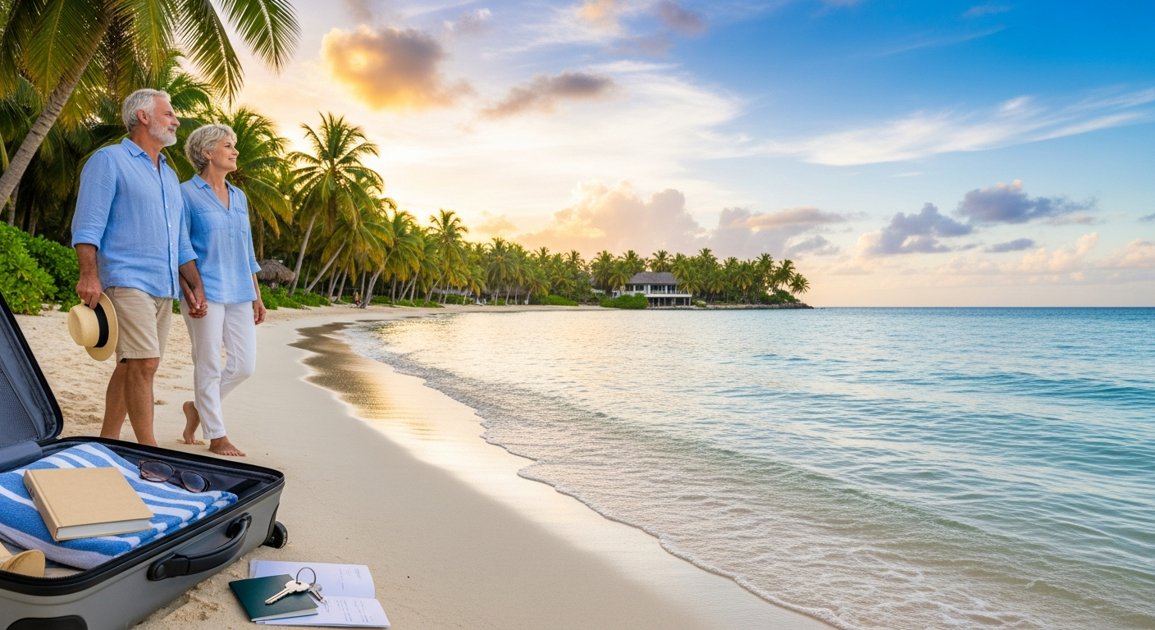
The Dominican Republic currently stands as the most robust economy in the Caribbean, transforming from a simple vacation destination into a primary global hub for expatriates seeking fiscal stability and a high quality of life. For those planning a relocation in 2026, navigating the dominican republic retirement visa requirements is the essential first step in securing a legal foothold in this rapidly developing nation. Unlike many neighboring Caribbean islands that maintain high barriers to entry, the Dominican Republic offers a dedicated path for retirees known as the Pensionado Visa (under Law 171-07), designed specifically to attract stable foreign income into the local economy through expedited residency and significant tax incentives.
The Legal Framework: Understanding Law 171-07
Retiring in the Dominican Republic is governed by Law 171-07, a piece of legislation specifically crafted to provide special incentives to retirees and persons of independent means. This law is the foundation of the Pensionado Visa, and it distinguishes itself from standard residency paths by skipping several years of the traditional process. While a standard residency applicant must hold temporary residency for five years before applying for permanent status, those who meet the retirement visa criteria are granted "Investment Residency," which provides permanent residency status almost immediately after the initial processing period.
By 2026, the Dominican government is expected to further digitize these processes, but the core legal requirements remain fixed on the stability and source of your income. The goal of the program is to ensure that every retiree entering the country can support themselves without becoming a burden on the state’s social systems, while simultaneously contributing to the local economy through consumption and property investment.
Income Thresholds and Financial Dominican Republic Retirement Visa Requirements
The most critical component of your application is proving a consistent, lifetime monthly income. The Dominican Republic is specific about what constitutes retirement income. It generally must come from a government pension, a private corporate pension, or a certified annuity from a recognized financial institution. Unlike the Rentista Visa, which is for those with rental income or investment dividends, the Pensionado Visa is strictly for those with traditional retirement distributions.
| Applicant Category | Minimum Monthly Income (USD) | Notes |
|---|---|---|
| Primary Applicant | $1,500.00 | Must be derived from a certified pension or retirement plan. |
| Spouse / Dependent | +$250.00 | Additional income required per dependent included in the application. |
| Combined Couple | $1,750.00 | Total required for a husband and wife applying together. |
It is important to note that these figures are the minimums established by law. In 2026, as the cost of living in hubs like Santo Domingo and Punta Cana continues to rise, immigration officers may look more favorably upon applicants whose income significantly exceeds these thresholds. All income must be proven via a letter from the pension-providing institution, which must then be legalized or apostilled in the country of origin.
Document Checklist for Dominican Republic Retirement Visa Requirements
Gathering the correct documentation is often the most time-consuming phase of the application. For 2026, the General Directorate of Migration (DGM) requires that all foreign documents be issued within six months of the application date. If your documents are older than 180 days by the time they reach the reviewer's desk, they will be rejected, forcing you to restart the procurement and apostille process.
- Valid Passport: Must have at least 18 months of validity remaining at the time of the initial application.
- Birth Certificate: A certified copy from your home country's vital records department, apostilled or legalized.
- Certificate of Good Conduct: For U.S. citizens, this must be an FBI Criminal Background Check. For Canadians, an RCMP background check. This document must be federal, not state or provincial.
- Marriage Certificate: Required if applying with a spouse to prove the relationship for the dependent income threshold.
- Proof of Pension: An official letter from the Social Security Administration or private pension fund, stating the monthly amount and that it is guaranteed for life.
- Medical Certificate: A health declaration stating you do not have any contagious diseases, which will be supplemented by a mandatory medical exam performed in the Dominican Republic.
The Two-Phase Application Process
The process of obtaining residency is split into two distinct geographic phases. You cannot complete the entire process from abroad, nor can you legally complete the entire process from within the Dominican Republic if you entered solely as a tourist without the correct entry visa.
Phase 1: The Residence Visa (RS)
Before you move, you must apply for a "Residency Visa for Retirement" (RS) at the Dominican consulate with jurisdiction over your current place of residence. This is a single-entry visa valid for 60 days. Its sole purpose is to allow you to enter the country specifically to file your residency paperwork. You will submit your apostilled documents, pay the consulate fees, and undergo an initial interview. Once issued, you have a limited window to travel to the Dominican Republic and begin Phase 2.
Phase 2: The Migration Department (DGM)
Once you arrive in the Dominican Republic on your RS visa, you have 30 days to report to the Department of Migration in Santo Domingo. Here, you will undergo a second set of medical exams, including blood tests and chest X-rays. These tests are specifically looking for infectious diseases and illegal substances. Following the medical exam, your file is uploaded into the DGM system for final review. Under Law 171-07, the processing time is expedited, typically taking between 4 to 6 months for the final approval and issuance of your Residency Card (Carnet de Residencia) and the Dominican ID card (Cédula de Identidad).
Financial and Tax Incentives for Retirees
The primary reason for pursuing the Pensionado path over other residency types is the suite of fiscal benefits provided by the Dominican government to attract foreign capital. By meeting the dominican republic retirement visa requirements, you gain access to incentives that significantly lower your cost of living and tax burden.
Zero Tax on Foreign Pensions
Under Law 171-07, your foreign-sourced pension income is 100% exempt from Dominican income tax. This allows you to receive your full retirement check without the local government taking a percentage, provided you have registered your income source with the tax authorities (DGII).
Property Tax Exemptions
Retirees often qualify for a reduction in the IPI (Impuesto al Patrimonio Inmobiliario), which is the annual property tax. Currently, properties valued below a certain threshold (adjusted annually for inflation) are exempt. For Pensionados, there are additional protections and potential exemptions on the 3% transfer tax when purchasing your first home in the country.
Importing Personal Goods
The law allows for the tax-free importation of household goods and personal effects. This is a massive benefit for those who wish to bring their furniture, appliances, and personal libraries. Additionally, there are provisions that allow for the partial tax exemption on the importation of a motor vehicle, though the vehicle must meet specific age and emissions requirements as defined by Dominican customs law (DGA).
Strategic Advice for a 2026 Move
The landscape of international relocation is shifting toward stricter digital verification. By 2026, it is highly likely that the Dominican Republic will require all applicants to utilize their online portal for the initial document upload. To prepare, ensure that you have high-resolution digital scans of every document before you have them apostilled. Furthermore, do not underestimate the importance of professional translation. All documents not in Spanish must be translated by a certified legal translator in the Dominican Republic or at the consulate. Errors in translation are one of the leading causes of application delays.
Another practical consideration is the "Boletín Judicial" or the background check validity. Because the FBI and other federal agencies can take weeks to produce these documents, and they only remain valid for the residency application for six months, timing your document requests is a logistical puzzle. Plan to request your background check approximately 30 days before you intend to submit your application to the consulate.
Common Pitfalls to Avoid
Many applicants fail because they attempt to navigate the DGM without local assistance. While it is possible to handle the application yourself, the bureaucratic nuances of Santo Domingo's government offices can be overwhelming for those not fluent in Spanish or unfamiliar with the unwritten procedural norms. Hiring a reputable immigration attorney who specializes in Law 171-07 is recommended. They ensure that your file moves from the "Review" stage to the "Approval" stage without getting stuck in administrative limbo.
Additionally, ensure your pension income is paid into a bank account that can produce official, stamped statements. The DGM will not accept screenshots of online banking apps or unofficial printouts. They require formal proof that the funds are being deposited regularly and match the amount stated in your pension letter.
Conclusion
Securing residency through the Pensionado program is an objective process that rewards preparation and financial transparency. By strictly adhering to the dominican republic retirement visa requirements and understanding the dual-phase application structure, you can position yourself to enjoy the significant tax protections and expedited permanent status that Law 171-07 provides. The Dominican Republic remains a premier choice for retirees not just for its climate, but for a legal framework that actively welcomes and protects foreign investors and retirees. Start your document procurement early, consult with a legal professional, and ensure your income meets the 2026 standards to ensure a successful transition to your new home in the Caribbean.
Ready to Start Your Relocation?
Navigating the residency process requires precision and local expertise. If you are planning your move for 2026, contact a certified immigration specialist today to review your pension documents and begin your application for the Dominican Republic Pensionado Visa.