Which Swiss City Actually Offers the Best Quality of Life? A Data-Driven Comparison of Rent, Commute Times, and Local Integration in the Top 5 Hubs
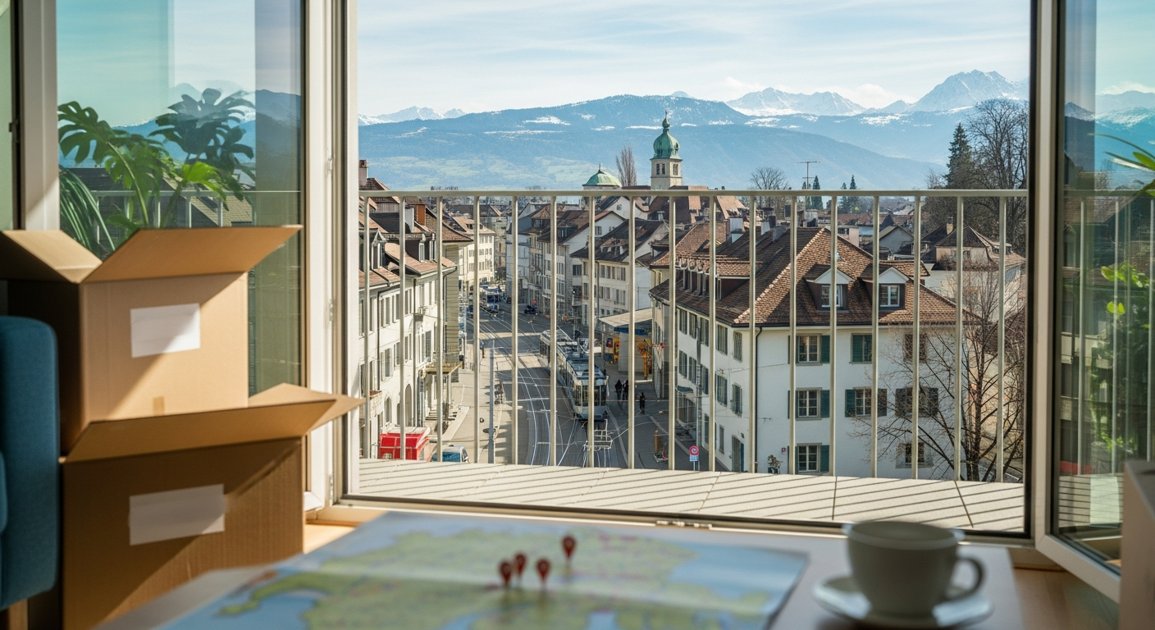
Measuring Quality of Life Beyond the Postcard
Switzerland consistently ranks at the top of global quality-of-life indices, but for those actually moving there, 'quality' is defined by practical metrics: how much of your salary remains after rent, how long you spend on a train, and how difficult it is to build a social circle. While Zurich and Geneva often dominate the conversation, the reality of living in Switzerland varies significantly depending on the canton’s tax laws and the local vacancy rate. This analysis breaks down the data across the five primary urban hubs to help you identify which city aligns with your professional and personal requirements.
1. The Housing Crisis: Rent and Vacancy Rates
Finding an apartment in Switzerland is often the most significant hurdle for new arrivals. The national vacancy rate has hit historic lows, making competition for mid-range housing intense.
- Zurich: The most competitive market. Vacancy rates in the city center often hover around 0.07%. Expect to provide a full dossier (salary slips, debt extraction registry, and references) just to secure a viewing.
- Geneva: High demand coupled with geographic constraints (wedged between the lake and France) keeps prices high. Many professionals opt to live across the border in France (Canton of Vaud or neighboring French departments) to find better value.
- Basel: Offers a more balanced market. While still expensive by international standards, the availability of apartments is generally higher than in Zurich or Geneva.
- Lausanne: Dominated by a large student population, making small studios difficult to find. Prices are slightly lower than Geneva but rising rapidly.
- Lugano: The most affordable of the five. While luxury lakeside properties are expensive, standard apartments are significantly cheaper than in the German or French-speaking hubs.
Step-by-Step Advice for Securing a Lease:
- Prepare your 'Betreibungsauszug' (record of debt collection) immediately upon arrival.
- Target apartments with move-in dates at the end of the quarter, as this aligns with traditional Swiss moving cycles.
- Consider 'Agglomeration' towns—suburbs with 15-minute train connections that offer lower rents and higher vacancy rates.
2. Commute Times and Infrastructure Efficiency
Swiss infrastructure is world-class, but the topography and urban density of each city affect daily travel differently.
The Transit Leaders: Zurich and Basel
Zurich boasts the most dense S-Bahn network in the world. Most residents do not require a car. Basel is similarly efficient and exceptionally flat, making it the premier city for bicycle commuters. If minimizing your carbon footprint and commute time is a priority, these two cities lead the data.
The Topographic Challenges: Lausanne and Lugano
Lausanne is built on steep hills. While it has the only metro system in Switzerland, walking is a physical workout. Lugano’s infrastructure is excellent, but because the region is more car-dependent than the north, peak-hour traffic near the Italian border can be substantial.
3. Local Integration and Linguistic Barriers
Integration is not just about learning the national language; it is about navigating the 'Röstigraben'—the cultural divide between German, French, and Italian-speaking regions.
- Zurich & Basel: High English proficiency in professional settings. However, High German is used for writing, while Swiss German is used for social interaction. This 'diglossia' can make social integration challenging for those who only learn standard German.
- Geneva & Lausanne: The transition is often easier for those with basic French. Geneva is the most international city, where roughly 40% of the population is non-Swiss, reducing the pressure to conform to local social norms immediately.
- Lugano: Offers a slower, Mediterranean pace of life. However, Italian is essential for integration, as English is less prevalent in local administration and social clubs compared to Zurich.
4. The Net Income Factor: Taxes and Health Insurance
A high gross salary in Switzerland can be deceptive. Your net income is heavily influenced by cantonal tax rates and mandatory health insurance premiums.
- Zurich and Basel: Moderate tax rates with high salaries. Zurich’s tax burden is lower than Geneva’s for most middle-to-high income earners.
- Geneva: Known for having some of the highest income tax rates in Switzerland, though this is partially offset by high local salaries.
- Lugano (Ticino): Generally lower salaries than Zurich, but also lower costs for services. However, health insurance premiums in Ticino have seen some of the highest year-on-year increases.
Plan Your Move with Precision
Calculating the true cost of a relocation requires more than just looking at a salary figure. Factors like your family size, your commute preferences, and your linguistic background will drastically change which Swiss city is right for you. The NewLife.Help comparison tool simplifies this process by aggregating current market data on rent, taxes, and cost-of-living variances to provide a personalized relocation report in seconds. Start Your Free Relocation Analysis
Conclusion
There is no single 'best' Swiss city; there is only the city that best fits your specific data profile. Zurich offers the highest economic rewards but demands the most in terms of housing competition. Geneva provides an international atmosphere at a high tax and rental cost. Basel offers a pragmatic middle ground for those in science and industry, while Lugano and Lausanne offer lifestyle advantages that may outweigh the raw economic data for many families. Use the metrics provided to prioritize what matters most for your next professional move.