What to Do If You Get Sick in a New Country
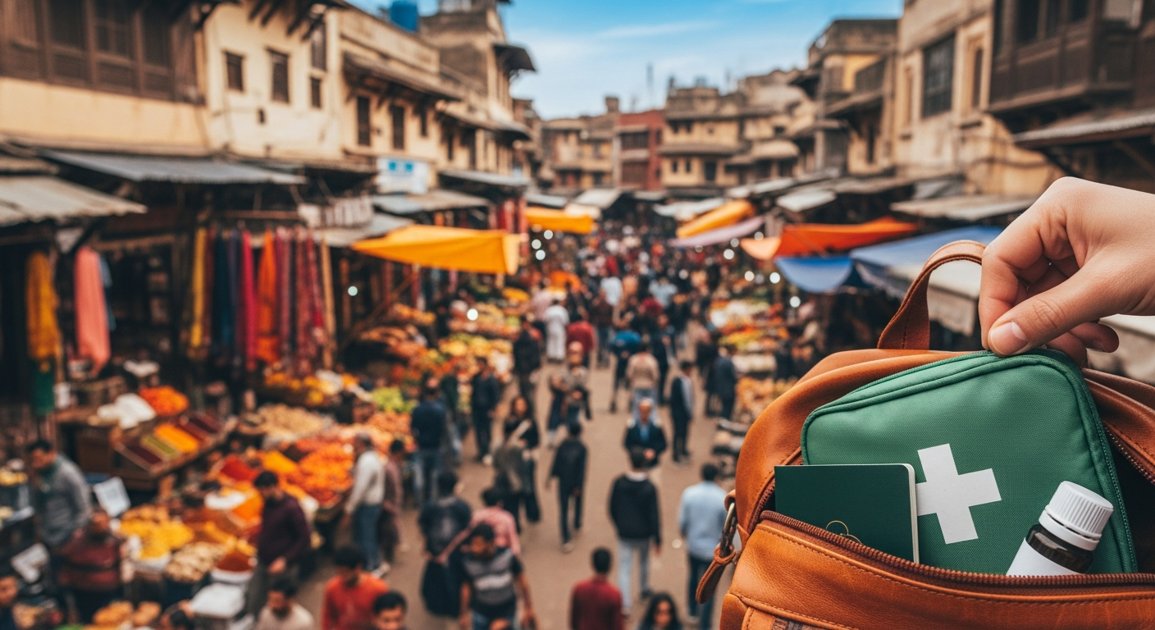
Embrace the Adventure, Prepare for Anything: Navigating Health in Your New Country
The thrill of a new country is intoxicating. Imagine the aroma of unfamiliar spices drifting from a bustling market, the vibrant chatter of a foreign language, the promise of untold adventures awaiting just beyond your doorstep. Whether you’re embarking on a life-altering relocation or an extended journey of discovery, the dream is one of seamless exploration and joyful immersion. But even the most meticulously planned adventure can hit an unexpected snag – like falling ill far from home. While it’s a scenario no one wants to envision, being prepared is your best defense. As your expert travel writer and practical relocation advisor, let’s navigate this essential topic together, ensuring your health doesn't derail your incredible new beginning.
Before You Go: Laying Your Healthy Foundation
Preparation is not just about packing your bags; it's about safeguarding your well-being. Thinking ahead can save you immense stress and expense should you find yourself under the weather abroad.
Health Insurance: Your Non-Negotiable Safety Net
This is arguably the most critical piece of your pre-departure health puzzle. Do not leave home without it.
- For Travelers: Invest in comprehensive travel insurance that covers medical emergencies, evacuation, and repatriation. Read the fine print carefully to understand what’s covered, limits, and any pre-existing condition clauses.
- For Relocators: Research the local healthcare system in your new country. Will you be eligible for public healthcare? Is private insurance mandatory or highly recommended? Understand enrollment processes, waiting periods, and network providers. Often, a temporary international health plan is wise for the first few months while local coverage kicks in.
Prescriptions, Vaccinations & Medical Records: Essential Documents
Don’t assume everything will be available or easily understood.
- Medication Supply: Bring at least a 3-month supply of any prescription medications. Keep them in their original packaging with your doctor's prescription. Research whether your specific medications are legal or restricted in your destination country.
- Generic Names: Know the generic names of your medications, as brand names vary globally.
- Doctor's Letter: Carry a letter from your doctor outlining your medical conditions, current medications (with dosages), allergies, and any specific health concerns. Have it translated into the local language if possible.
- Vaccination Records: Ensure all your routine vaccinations are up-to-date. Check if any specific vaccinations are recommended or required for your destination.
- Digital Copies: Keep digital copies of all important medical documents on your phone, in cloud storage, and with a trusted contact.
Researching Local Healthcare: A Proactive Reconnaissance
Familiarize yourself with the basics of the healthcare system before you need it.
- Emergency Numbers: Know the local emergency services number (e.g., 911 in the US, 112 in most of Europe).
- Local Hospitals/Clinics: Identify a few reputable hospitals or clinics near your accommodation or new home. Look for those with English-speaking staff if language is a concern.
- Pharmacy Culture: Understand the role of pharmacies. In many countries, pharmacists can offer advice and over-the-counter remedies for minor ailments that might require a doctor's visit back home.
- Local Doctors/Specialists: If relocating, ask for recommendations from local expats, colleagues, or your embassy/consulate.
When Illness Strikes: Your Step-by-Step Guide
Even with the best preparation, illness can occur. Here’s a practical guide to navigate feeling unwell in a new environment.
The First Signs: Assess, Hydrate, and Rest
Don't panic. Start with these immediate actions:
- Assess Your Symptoms: How serious do they feel? Is it a mild cold, an upset stomach, or something more concerning like a high fever or severe pain?
- Hydrate & Rest: Drink plenty of water or electrolyte solutions. Get as much rest as possible.
- Self-Medicate (Cautiously): Use any basic over-the-counter medications you brought (pain relievers, anti-diarrhea, cold medicine). Follow dosage instructions carefully.
- Inform Someone: Let your travel companion, host, hotel staff, or a trusted friend know you're not feeling well.
Communication is Key: Bridging the Language Gap
Language barriers can add stress during illness. Plan for it.
- Translation Apps: Have a reliable translation app downloaded on your phone (e.g., Google Translate, iTranslate). Practice using it for basic medical phrases.
- Phrasebook: Carry a small phrasebook with common medical terms.
- Visual Aids: Be prepared to point to affected areas on your body or use gestures.
- Seek Help: Ask hotel staff, a local friend, or your embassy/consulate for assistance in translating or finding an English-speaking doctor.
Locating Care: Where to Go and When
Understanding the local hierarchy of care is crucial.
- Pharmacy First (For Minor Ailments): For colds, minor cuts, headaches, or mild digestive issues, a pharmacy is often your best first stop. Pharmacists are highly trained and can recommend appropriate over-the-counter remedies or advise if a doctor is needed.
- Clinic or Doctor's Office (For Non-Emergencies): If your symptoms persist or worsen but aren't life-threatening, seek out a general practitioner (GP) or a local clinic. Many countries have walk-in clinics or "urgent care" centers.
- Hospital Emergency Room (For True Emergencies): Call the local emergency number immediately for severe pain, difficulty breathing, suspected broken bones, heavy bleeding, loss of consciousness, or other life-threatening conditions.
Navigating the Local Healthcare System: Practicalities
Once you’ve identified where to go, here’s what to expect.
During Your Visit: What to Bring and Ask
- Your Passport/ID: Always carry identification.
- Insurance Details: Have your insurance card/policy number readily available.
- Payment Method: Be prepared to pay upfront if your insurance doesn't cover direct billing. Keep receipts for claims.
- Medical Records: Present your doctor's letter, if applicable.
- Be Specific: Clearly describe your symptoms, when they started, and any relevant medical history. Don't minimize your discomfort.
- Ask Questions: Don't hesitate to ask about diagnoses, treatment plans, medication side effects, and follow-up care. Request a written summary if possible.
Payment and Paperwork: Staying Organized
Healthcare costs can be significant. Keep meticulous records.
- Receipts: Obtain detailed receipts for all consultations, medications, and treatments.
- Insurance Claims: Understand your insurance company’s claim process. You'll typically need to submit receipts and sometimes a doctor's report.
- Payment Methods: Be aware that some smaller clinics or pharmacies might prefer cash.
Post-Sickness Recovery and Prevention
Once you're on the mend, prioritize full recovery and reflect on the experience.
Rest and Recuperation
Don't rush back into your busy schedule. Give your body time to fully recover. Continue to hydrate and eat nourishing foods.
Learning from the Experience: Future Preparedness
Use the experience to fine-tune your preparedness. Did you have enough medication? Was your insurance clear? Is there a local doctor you'd recommend? Adjust your plans accordingly for future travels or your ongoing life abroad.
Final Thoughts: Healthy Adventures Await
Falling ill in a new country can feel daunting, but with proactive planning and a clear head, it's a challenge you can absolutely overcome. Your health is paramount to enjoying your new adventure to the fullest. By securing robust insurance, organizing your medical essentials, and understanding the local healthcare landscape, you empower yourself to face any unexpected bumps on the road. So, go forth with confidence, explore with curiosity, and know that you're well-equipped to handle whatever comes your way, keeping your incredible journey vibrant and healthy. Bon voyage, and here’s to a healthy, happy relocation!