What It’s Really Like to Live in Amsterdam as an Expat
What It’s Really Like to Live in Amsterdam as an Expat
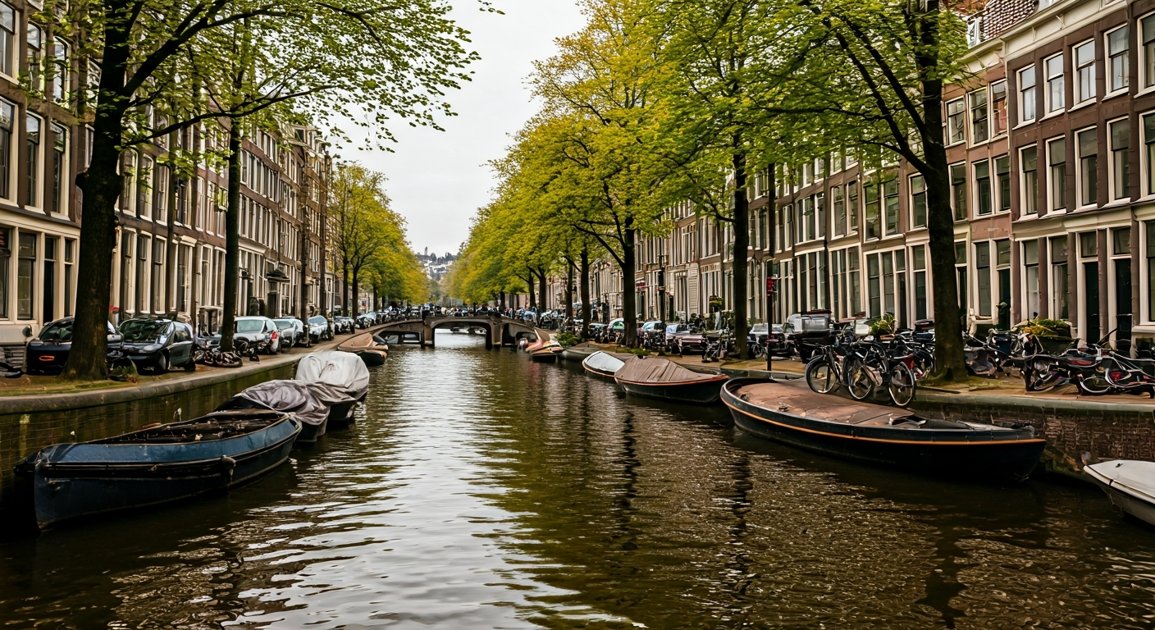
Ah, Amsterdam! The very name conjures images of picturesque canals, charming gabled houses, the gentle whir of bicycle wheels, and a vibrant, free-spirited atmosphere. It's a city that frequently tops lists of the most livable places, drawing dreamers, innovators, and adventurers from every corner of the globe. But beyond the postcard-perfect façade, what’s it *really* like to pack up your life and call this enchanting Dutch capital home? As a seasoned travel writer and practical relocation advisor, I'm here to guide you through the exciting highs and the occasional hurdles, offering you a realistic roadmap for your own Amsterdam adventure.
Embracing the Canals & Cobblestones: Amsterdam's Allure and Its Nuances
The Picture-Perfect Dream... and the Reality Check
Amsterdam truly is a city unlike any other. Its compact size makes it incredibly walkable and cyclable, fostering a sense of community even amidst its bustling international appeal. You’ll fall in love with:
- The Cycling Culture: It's not just a mode of transport; it's a way of life. Navigating the city by bike is exhilarating, efficient, and deeply ingrained in the local identity.
- Historic Beauty: Every corner seems to tell a story, with stunning architecture, world-class museums (Rijksmuseum, Van Gogh Museum), and charming hidden courtyards.
- International Vibe: English is widely spoken, and the city boasts a thriving expat community, making it easier to connect and settle in.
- Quality of Life: Generally high, with excellent public services, a strong focus on work-life balance, and a relaxed, tolerant atmosphere.
However, the dream also comes with its practicalities:
- Crowds: Especially in the city center, tourism can be overwhelming, particularly during peak seasons.
- Housing Market: Fiercely competitive and expensive. Securing suitable accommodation is often the biggest hurdle for new expats.
- Dutch Directness: Locals are known for being straightforward, which can sometimes be perceived as blunt if you’re not used to it. Embrace it as efficiency!
- Weather: Expect plenty of grey skies and rain, particularly outside of summer. A good raincoat and layers are essential year-round.
Navigating the Labyrinth: Getting Around
Amsterdam is a city built for movement, and you'll quickly become an expert in its transport systems. Your primary mode will likely be the bicycle, but the public transport network is superb.
- By Bike: Essential. Invest in a sturdy, second-hand bike and at least two good locks. Learn the rules of the road – cyclists have priority but must still be cautious. Bike theft is common, so secure your ride!
- Public Transport: The GVB network (trams, buses, metros, ferries) is efficient and comprehensive. An OV-chipkaart is your best friend for seamless travel, which you can load with credit or a travel pass.
- Walking: Many central areas are best explored on foot, allowing you to discover hidden gems.
The Practicalities of Dutch Life: From Paperwork to Pints
Your First Steps: Bureaucracy & Beyond
Relocating to any new country involves paperwork, and the Netherlands is no exception. Being prepared will save you stress.
- Visa & Residence Permit: If you're not an EU/EEA/Swiss citizen, this is your absolute first priority. Ensure you have the correct visa for your purpose (work, study, highly skilled migrant).
- BSN (Burgerservicenummer): This is your citizen service number, akin to a social security number. You'll need it for everything: opening a bank account, getting a job, health insurance, etc. You get this when you register with the municipality.
- Registration with the Gemeente (Municipality): Upon arrival, you must register your address with the municipality where you live (Amsterdam in this case). Do this within 5 days of arrival. You'll need your passport, birth certificate (often legalized/apostilled), and proof of address.
- Dutch Bank Account: Essential for receiving salary, paying bills, and general transactions. Major banks include ING, ABN AMRO, and Rabobank. You'll need your BSN and proof of address.
- Health Insurance: It is legally mandatory to have basic Dutch health insurance. Start researching providers as soon as you arrive.
Pro-Tip: The Dutch government website Government.nl is an excellent resource for official information. Many cities also have Expat Centers to help with initial registration and queries.
Finding Your Home: Housing in a Competitive Market
This is arguably the toughest challenge for new expats. Amsterdam's housing market is notoriously competitive and expensive. Expect to pay premium prices for limited space.
- Start Early: Begin your search months before you plan to move, if possible.
- Be Prepared: Landlords often require proof of income (usually 3x the rent), an employment contract, and possibly references.
- Consider Neighbourhoods:
- De Pijp: Vibrant, diverse, lively, popular with young professionals.
- Jordaan: Historic, charming, picturesque, but very expensive.
- Oud-West/De Baarsjes: Up-and-coming, more diverse, slightly more affordable.
- Amsterdam-Noord: Accessible by free ferry, more space, increasingly popular.
- Amstelveen/Diemen: Commuter towns just outside Amsterdam, offering more space and slightly lower rents, with good transport links.
- Rental Agencies & Platforms: Use reputable agencies (e.g., Funda, Pararius, RentSlam). Be extremely wary of scams – never pay a deposit before viewing a property and signing a contract.
Work, Wages, and 'Gezelligheid': The Expat Economy & Social Fabric
Amsterdam's job market is robust, particularly in tech, IT, finance, creative industries, and international business, with many roles catering to English speakers. However, a willingness to learn Dutch will always be an advantage.
- The 30% Ruling: If you're hired from abroad for a specific expertise that is scarce in the Netherlands, you might be eligible for the 30% ruling, a significant tax break for the first 5 years. This makes a considerable difference to your net income.
- Cost of Living: High, especially for rent, but groceries can be reasonable if you shop smart (Lidl, Dirk, Jumbo are generally cheaper than Albert Heijn). Dining out and alcohol can add up quickly.
- Gezelligheid: This untranslatable Dutch word means a cozy, convivial, warm, and enjoyable atmosphere. It's at the heart of Dutch social life, whether it's sharing a drink with friends in a 'bruin café' (brown cafe) or hosting a dinner party.
Building Your Community: Expat Networks and Integration
Amsterdam has a thriving expat scene, making it easy to find your tribe.
- Expat Groups: Search for groups on Meetup.com, Facebook, and LinkedIn for various interests (hiking, book clubs, specific nationalities).
- Sports Clubs & Classes: A great way to meet locals and other expats. From football to yoga, there's something for everyone.
- Learn Basic Dutch: While most Dutch people speak excellent English, making an effort to learn basic phrases (Dank je wel - Thank you, Goedendag - Good day) is appreciated and opens doors to deeper integration.
- Embrace Local Culture: Visit weekly markets (Albert Cuyp, Noordermarkt), explore local parks (Vondelpark, Westerpark), and try Dutch treats like stroopwafels and bitterballen.
Your Amsterdam Relocation Checklist
Prepare for a smoother transition with this essential checklist:
- Pre-Arrival Essentials:
- Secure your visa/residence permit (if applicable).
- Research and begin housing search.
- Gather all vital documents (passport, birth certificate, marriage certificate, degree certificates, employment contract) and have them apostilled/legalized if required.
- Obtain international driving permit if planning to drive.
- Arrange temporary accommodation for your first weeks.
- Book flights and travel insurance.
- First Week Must-Dos:
- Register with the Gemeente to get your BSN.
- Open a Dutch bank account.
- Arrange Dutch health insurance.
- Get a local SIM card.
- Purchase an OV-chipkaart for public transport.
- Buy a decent bike (and two strong locks!).
- Find your nearest supermarket and pharmacy.
- Longer-Term Integration:
- Explore local expat networks and Meetup groups.
- Consider taking Dutch language classes.
- Register with a local huisarts (GP).
- Familiarize yourself with Dutch laws and customs.
- Embrace the concept of 'gezelligheid' and make local connections.
Final Thoughts: Your Amsterdam Adventure Awaits
Living in Amsterdam as an expat is a truly unique experience – a rich tapestry woven with historic charm, modern innovation, and a vibrant international spirit. It’s a city that asks you to adapt, to cycle through rain and shine, to embrace direct conversations, and to navigate a competitive housing market. But in return, it offers an exceptional quality of life, a welcoming international community, and the chance to live in one of the world's most beautiful and dynamic cities. With thorough preparation, an open mind, and a willingness to embrace its quirks, your Amsterdam chapter promises to be an unforgettable journey. So, go on, prepare your bike, learn a few Dutch phrases, and get ready to create your own story amidst the canals. Your adventure truly awaits!