Using Bicycles Safely in Traffic-Heavy Regions
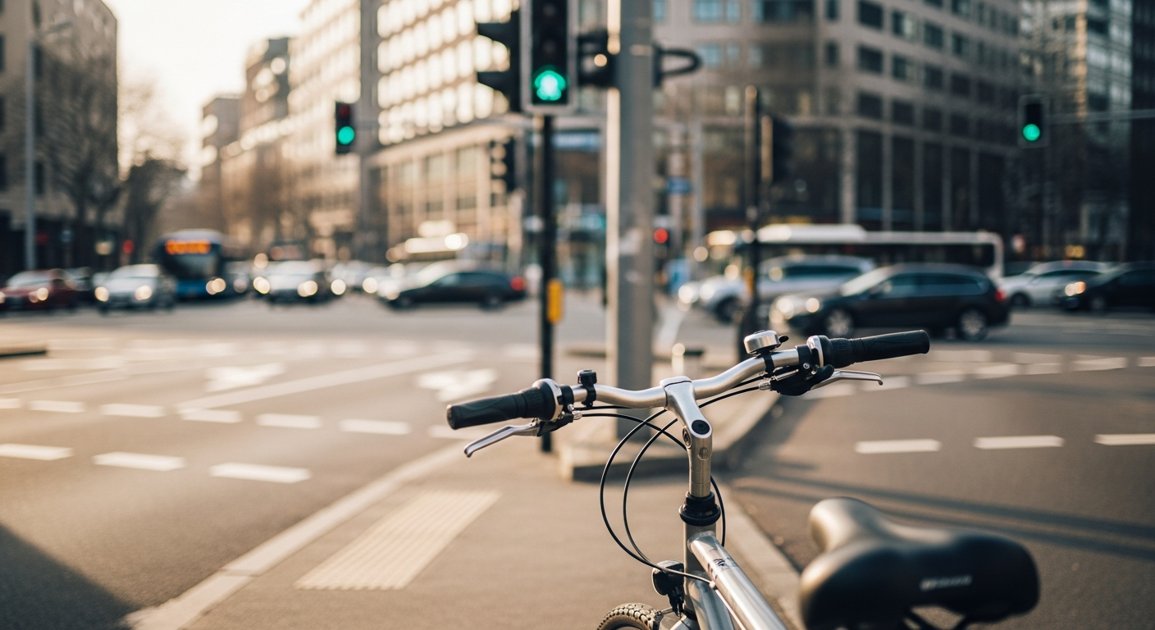
Pedal Power Meets Urban Pulse: Conquering Traffic on Two Wheels in Your New City
There’s a unique thrill in discovering a new place, whether you’re on a whirlwind adventure or planting roots for a fresh start. Imagine the freedom of weaving through bustling streets, the scent of local bakeries wafting past, the vibrant tapestry of city life unfolding with every turn of your wheel. Cycling offers an unparalleled way to immerse yourself in the rhythm of a new region, providing not just transportation but a genuine connection to your surroundings. However, for many, the idea of navigating traffic-heavy areas on a bicycle can feel daunting – a potential clash of metal and courage. But what if we told you it's not only possible but incredibly rewarding, with the right preparation and mindset? As experts in both inspiring travel and practical relocation, we're here to equip you with the knowledge and confidence to make cycling a safe and joyous part of your journey, no matter how dense the urban jungle.
Embrace the Pedals: Why Cycling in a New City Rocks (Even with Traffic)
Picture this: you've just moved to a dynamic new metropolis, or you're exploring it for a month. You could be stuck in a taxi, or squeezed onto a crowded bus, peering out a window. Or, you could be on a bike. The sheer efficiency of zipping past gridlock, the unexpected alleys you discover, the serendipitous encounters with local life – it’s an experience transport apps simply can’t replicate. Cycling keeps you active, saves money, and drastically reduces your carbon footprint, making it a powerful tool for sustainable living in your new environment. The initial apprehension about traffic is natural, but with the right approach, it transforms from a barrier into a navigable landscape.
Gear Up for Safety: Your Essential Bicycle & Rider Checklist
Before you even think about hitting the road, ensuring both you and your bike are ready for the challenge is paramount. Think of this as your pre-flight check for urban exploration.
The Bicycle Itself: Roadworthiness is Key
Whether you’re bringing your trusted steed or purchasing a new one locally, a well-maintained bike is your first line of defense.
- Brakes: Test both front and rear brakes before every ride. They should be responsive and stop you quickly and smoothly.
- Tires: Check tire pressure regularly. Properly inflated tires reduce the risk of flats and improve handling. Inspect for wear and tear.
- Lights: A powerful white front light and a bright red rear light are non-negotiable, especially for evening or low-light conditions. Consider daytime running lights for added visibility.
- Bell/Horn: A clear, audible bell or horn allows you to politely alert pedestrians and other cyclists to your presence.
- Reflectors: Ensure your bike has front, rear, and wheel reflectors to catch headlights from all directions.
- Chain & Gears: Keep your chain clean and lubricated for smooth shifting and efficient pedaling.
Rider Essentials: See and Be Seen!
Your personal gear plays a crucial role in your safety and comfort.
- Helmet: This is non-negotiable. A properly fitted helmet can significantly reduce the risk of head injury. Invest in one that meets safety standards (e.g., CPSC, CE EN 1078).
- Bright Clothing & Reflective Gear: Wear brightly colored clothing during the day. At night, reflective vests, jackets, and accessories dramatically increase your visibility.
- Gloves: Padded cycling gloves improve grip, absorb vibrations, and offer protection in case of a fall.
- Eyewear: Protect your eyes from sun, wind, dust, and insects with sunglasses or clear cycling glasses.
- Backpack/Bag: Choose a backpack or panniers that don't impede your movement or visibility, and keep weight balanced.
Mastering the Urban Jungle: Navigating Traffic with Confidence
The road is a shared space, and understanding how to interact with other vehicles and pedestrians is crucial. This is where practical advice meets tactical awareness.
Know Your Route & Your Rights
Preparation can turn potential chaos into a manageable journey.
- Pre-Plan Your Route: Use mapping apps (like Google Maps, Komoot, or local city cycling apps) to identify bike lanes, shared paths, and less congested streets. Prioritize routes with dedicated cycling infrastructure.
- Understand Local Cycling Laws: Research the specific traffic laws for cyclists in your new region. Do you need to stop at red lights? Can you turn right on red? What are the rules for signaling? Knowledge is power.
- Identify Bike-Friendly Areas: Many cities have initiatives to promote cycling. Look for local cycling advocacy groups online; they often provide maps and resources for safe routes.
Defensive Cycling: Ride Smart, Not Scared
This is the core philosophy for safe urban cycling – always assume the unexpected and be prepared to react.
- Maintain Visibility: Make eye contact with drivers, pedestrians, and other cyclists whenever possible. Assume you are invisible until you've made eye contact.
- Predict & React: Always anticipate what others might do. Watch for opening car doors (dooring hazard!), cars turning without signaling, and pedestrians stepping into the road.
- Lane Positioning ("Take the Lane"): Don't hug the curb. Ride a safe distance from parked cars (at least 3-4 feet to avoid dooring) and often in the lane of traffic, about 1 meter from the curb, to be more visible and avoid road debris. This encourages drivers to pass you safely rather than squeeze past you within the same lane.
- Communicate: Use clear hand signals for turns and stops. Ring your bell politely to alert others.
- Avoid Distractions: No headphones, no texting, no fidgeting with your phone. Your full attention needs to be on your surroundings.
- Patience & Awareness: Don't rush. Take your time, scan constantly, and be aware of everything happening around you – front, back, and sides.
- Night Riding: Be extra cautious. Reduce speed, ensure your lights are fully charged, and wear maximum reflective gear.
Relocating with Two Wheels: Integrating Cycling into Your New Life
For those making a long-term move, cycling can be more than just a commute; it can be a lifestyle.
Finding Your Tribe & Your Trails
Connecting with the local cycling community can open up new routes and friendships.
- Local Cycling Groups: Search for cycling clubs or online forums in your new city. They often organize group rides, share tips, and know the best (and safest) routes.
- Bike Shops: Your local bike shop is a treasure trove of information, from maintenance tips to local regulations and group rides.
- Explore During Off-Peak Hours: Get comfortable with your surroundings by exploring parks, dedicated bike paths, and quieter streets during weekends or non-rush hours.
Practicalities for Long-Term Movers
Consider these logistical aspects to make cycling a sustainable part of your new routine.
- Bike Storage: Plan where you'll store your bike. Is there secure storage in your apartment building? Do you need a robust lock for outdoor storage?
- Maintenance & Repair: Locate reliable bike repair shops. Learning basic maintenance (like fixing a flat) can save you time and money.
- Insurance: Check if your home contents insurance covers bike theft or damage. Consider specific bicycle insurance, especially for high-value bikes.
- Public Transport Integration: Understand the rules for taking bikes on public transport (buses, trains, subways) for longer journeys or when weather turns foul.
Quick-Glance Safety Checklist for Cyclists
Final Thoughts
Moving to or exploring a new, traffic-heavy region is an adventure, and integrating cycling into that experience can unlock an unparalleled sense of freedom and connection. While the urban environment presents unique challenges, with the right gear, a solid understanding of local laws, and a commitment to defensive riding, you'll find yourself navigating the busiest streets with confidence and joy. Remember, every journey begins with a single pedal stroke. So, gear up, plan smart, stay alert, and prepare to discover your new world, one exhilarating ride at a time. The city awaits – experience it on two wheels!