The Utility Management Pivot: A Strategic Guide to Transitioning from Germany’s Fixed-Contract Stability to Bali’s Prepaid Infrastructure and Decentralized Service Ecosystems
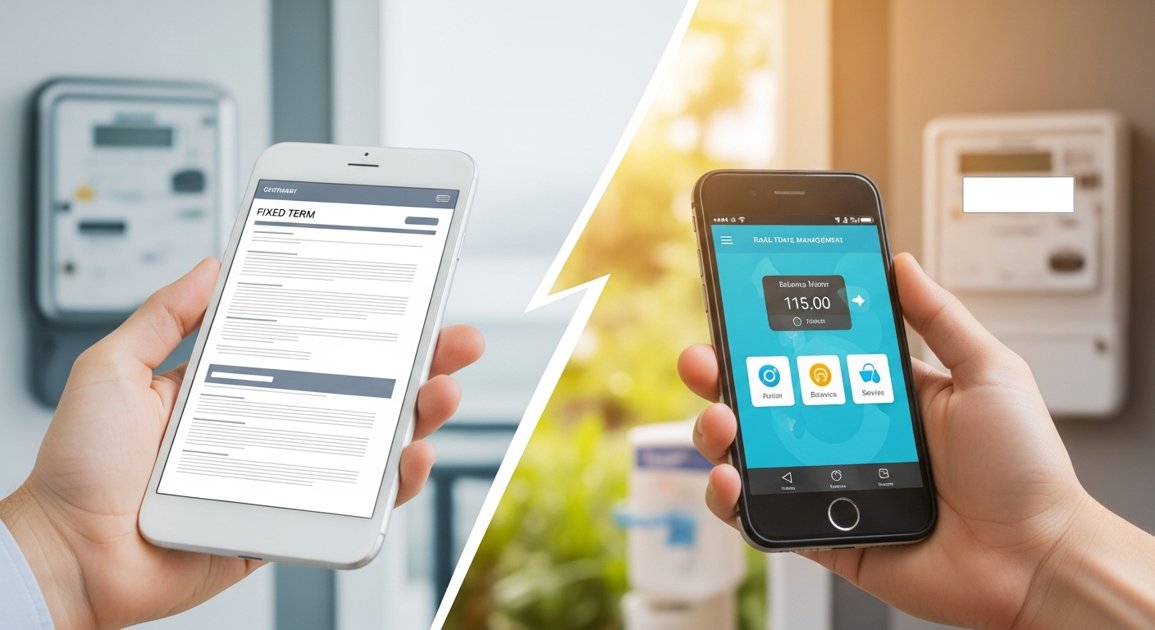
The Utility Management Pivot: From German Precision to Balinese Agility
For many German expats, the move to Bali is a dream of tropical landscapes and a slower pace of life. However, one of the most significant cultural shocks doesn’t happen at a temple or a beach club—it happens at the utility meter. In Germany, the 'set it and forget it' philosophy reigns supreme, powered by annual contracts and automated SEPA direct debits. In Bali, infrastructure is decentralized, on-demand, and requires a proactive management style known as the 'Utility Management Pivot.'
This guide breaks down the data-driven realities of transitioning from the stability of the DACH region to the vibrant, prepaid ecosystems of the Island of the Gods.
1. Electricity: From Annual Balancing to 'Pulsa' Tokens
In Germany, you choose a provider like Vattenfall or E.ON, pay a monthly Abschlag (estimate), and receive a Jahresabrechnung once a year. Bali operates on a fundamentally different logic. Most modern villas use the PLN Prepaid (Listrik Pintar) system.
- The Mechanism: You purchase 20-digit tokens (Pulsa) via mobile apps or local kiosks and enter them manually into your meter (KWH Meter).
- The Warning: When your credit runs low, the meter emits a persistent, high-pitched beep. If it hits zero, the power cuts instantly.
- Actionable Advice: Download the PLN Mobile app or use banking apps like BCA or Permata. Set a recurring calendar reminder to check your meter every Monday to avoid the dreaded midnight blackout.
2. Water Logistics: Beyond the Tap
While German tap water (Leitungswasser) is strictly regulated and potable, Bali’s water system is bifurcated into 'utility water' and 'drinking water.'
Understanding the Two-Tier Water System
- Bore Wells vs. PDAM: Most villas rely on deep bore wells with electric pumps. If the power goes out, your water stops. Ensure your villa has a 'Toren' (gravity-fed water tank) to maintain pressure during outages.
- The 'Galon' Economy: For drinking and cooking, you will rely on 19-liter bulk jugs called Galons. Unlike the automated recycling systems in Germany, these are exchanged via local delivery men.
- Cost Comparison: While German water bills are consistent, Bali’s water costs are negligible for the well, but require physical logistics for drinking water. Expect to pay roughly 20,000 IDR (€1.20) per 19L jug delivered.
3. Waste Management: The Banjar and Private Services
In Germany, the Müllabfuhr is a clockwork municipal service. In Bali, waste management is often handled at the village level by the Banjar (local community council) or through private eco-conscious contractors.
Step-by-Step Waste Setup:
- Identify your Banjar: Ask your landlord who the local collector is. Payment is often made in cash to a neighborhood representative.
- Go Green: Because municipal recycling is still evolving, sign up for a service like Eco Bali or Matahari Terbit. They provide sorted bins and ensure that your plastic and paper actually bypass the landfill.
- Composting: Given the tropical heat, organic waste can smell quickly. Many expats use 'Bokashi' bins to manage food scraps locally.
4. Connectivity: The Fiber Optic Frontier
Forget the weeks-long wait for a Telekom technician. Bali’s internet infrastructure is surprisingly robust in hubs like Canggu and Ubud, but it is highly localized. Providers like Biznet, IndiHome, and GlobalXtreme dominate specific zones. Always ask for a speed test from the specific villa before signing a lease, as signal strength can vary block by block.
Plan Your Move with Precision
Transitioning your life from the structured environment of Germany to the dynamic landscape of Indonesia requires more than just a packing list; it requires localized data. The NewLife.Help comparison tool allows you to input your current German city and your Balinese destination to generate a personalized relocation report. From utility cost projections to neighborhood safety scores, get the insights you need in seconds. Start Your Free Relocation Analysis
Embracing the Decentralized Lifestyle
The shift from German fixed-contract stability to Bali’s prepaid infrastructure is more than a logistical change—it is a mindset shift toward mindfulness and local engagement. By mastering the 'Pulsa' system and engaging with your local Banjar, you aren't just paying bills; you are integrating into the community fabric of the island. With the right strategy, your transition can be as seamless as a sunset over the Indian Ocean.