The Unwritten Rules of Daily Life in Europe
Beyond the Postcard: Unlocking Europe's Unwritten Rules for a Seamless Life
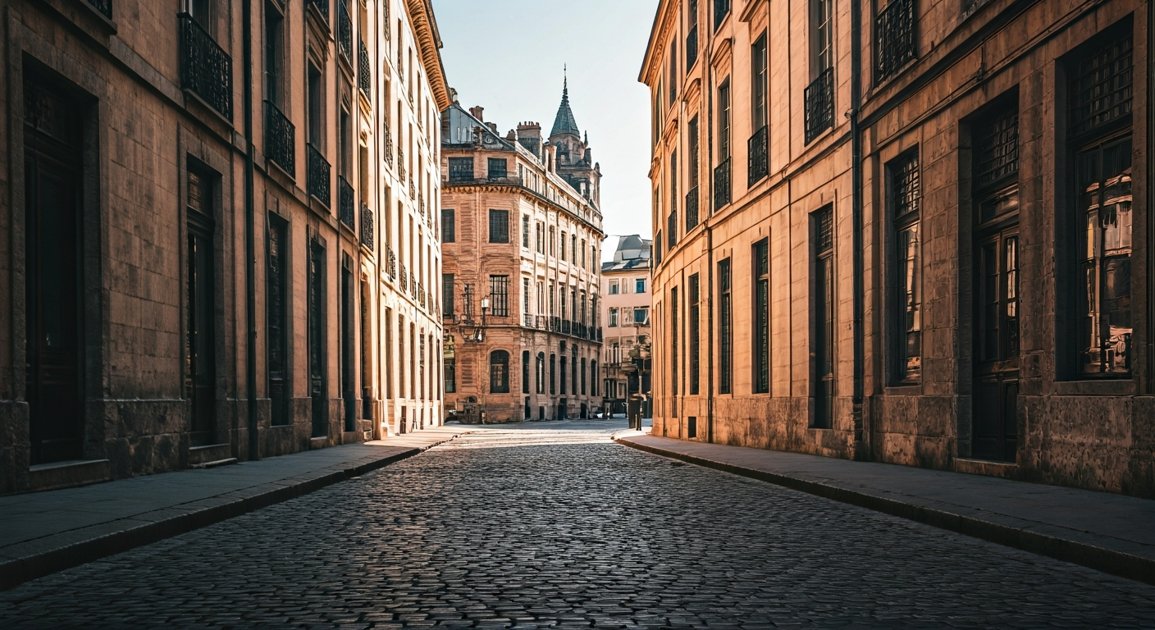
Europe. The word itself conjures images of cobblestone streets, ancient castles, vibrant markets, and cafés brimming with life. For the traveler, it’s a dreamscape; for the aspiring expat, it’s the promise of a new beginning. But beneath the Instagram-perfect facades and the romantic ideals lies a fascinating, often subtle, web of "unwritten rules" – the cultural nuances and daily customs that dictate how things truly work. Understanding these isn't just about avoiding a faux pas; it's about transforming your visit into an immersion and your relocation into a confident, comfortable new chapter. Ready to move beyond the tourist traps and truly live like a local? Let’s decode the charming intricacies of daily European life.
The Art of Connection: Navigating European Social Etiquette
Politeness is Paramount: Greetings, Farewells, and the Power of Eye Contact
While the specific gestures vary from a single kiss on each cheek to a firm handshake, a universal truth across Europe is the importance of a proper greeting and farewell. Don't just barge into a small shop or a doctor's office; a simple "Bonjour," "Guten Tag," "Hola," or "Ciao" upon entering, and a "Merci," "Danke," "Gracias," or "Grazie" upon leaving, goes a long way. Make eye contact. Acknowledge people. It's not just politeness; it's a recognition of shared space and mutual respect that greases the wheels of daily interactions.
- **Always Greet:** Even if you're just browsing, a quick, polite greeting to staff upon entering a store, café, or small business is expected.
- **Say Goodbye:** A "thank you" and "goodbye" when leaving is equally important.
- **The Art of the Queue:** Respect the queue. Europeans generally form orderly lines, and attempting to cut in is a serious breach of etiquette.
Respecting Personal Space (and Knowing When It Shrinks)
While northern Europeans often prefer a bit more personal distance, southern Europeans tend to be more comfortable with closer proximity in conversation. However, public transport across the continent often means you'll be intimately familiar with your fellow passengers. Learn to adapt. On a crowded train, a gentle jostle isn't rude; it's just part of the experience. But in a quiet café, maintain a respectful volume and distance from other tables.
Daily Rhythms: Mastering Public Spaces & Services
The Pace of Life: Efficiency vs. Leisure
Prepare for a different pace, especially if you're coming from a culture obsessed with instant gratification. Customer service might be slower, lunch breaks are often sacrosanct and longer, and many smaller shops or services still close for an extended midday period. Weekends, particularly Sundays, often see widespread closures beyond essential services. Embrace it; it’s an invitation to slow down.
For the long-term mover, this means planning ahead for errands, understanding that bureaucracy moves at its own speed, and adjusting expectations. Patience isn't just a virtue here; it's a survival skill.
Public Transport Mastery: Your Key to the City
Europe boasts some of the world's best public transport systems, but they come with their own set of rules. Validation is crucial. Most tickets for buses, trams, or metros need to be validated (stamped or scanned) *before* or *immediately upon* boarding. Fines for unvalidated tickets are steep and non-negotiable, even for tourists.
- **Always Validate:** Purchase your ticket and validate it correctly. Assume nothing.
- **Ticket Types:** Understand multi-day passes, regional tickets, and city cards. These can save you money.
- **Punctuality:** European public transport is often impressively punctual. Learn to trust the schedule.
- **Priority Seating:** Offer your seat to the elderly, pregnant women, or those with mobility issues.
The Cafeteria and Restaurant Code: Dining Etiquette
Dining out in Europe is an experience, not just a meal. Often, you're expected to wait to be seated, even in casual places. When it comes to ordering, especially coffee, understand the local terminology. A "latte" in Italy will get you a glass of milk; ask for a "caffè latte" or just "cappuccino." Tipping customs vary wildly – in some places, service is included, and a small round-up is sufficient; in others, 5-10% is customary for good service. Always ask for "il conto," "l'addition," or "die Rechnung" when you're ready to pay; the bill won't be brought automatically.
Home & Hearth: Relocation Specifics and Daily Living
Recycling & Waste Management: A Serious Business
Get ready to sort! European countries, particularly in the North and West, take recycling incredibly seriously. You'll likely have multiple bins for paper, plastic, glass (often separated by color), organic waste, and general refuse. There are strict schedules for collections, and incorrect sorting can lead to fines or refusal of collection. This isn't just a suggestion; it's law.
- **Learn Your Local Rules:** Check with your municipality for specific sorting guidelines and collection schedules.
- **Separate Diligently:** Invest in multiple small bins for easy sorting in your kitchen.
- **Pfand/Consignment Systems:** Many countries have deposit systems for bottles and cans (Pfand in Germany), where you pay a small deposit and get it back upon return.
The Myth of Air Conditioning
Coming from regions where AC is standard, you might be surprised by its scarcity in many European homes and even some businesses. While increasingly common in newer builds and southern regions, many older apartments rely on shutters, good ventilation, and fans to combat summer heat. If AC is a non-negotiable for you, ensure your accommodation explicitly states it and understand it often comes with a higher utility bill.
Bureaucracy & Paperwork: Patience is a Virtue
Relocating means diving deep into paperwork. Registering your address, getting a local bank account, obtaining a residency permit, health insurance – these processes are often meticulous, multi-step, and can feel agonizingly slow. Appointments are often mandatory and can have long wait times. Come prepared with all required documents (originals and copies!), be organized, and cultivate extreme patience. Learning a few key phrases in the local language related to administration can also significantly ease the process.
- **Document Checklist:** Passport, visa/residency permit, birth certificate (often apostilled), marriage certificate, proof of address, financial statements, job contract. (Always check specific country requirements!)
- **Make Copies:** Have multiple copies of everything, both physical and digital.
- **Translate Key Documents:** For official purposes, certified translations might be required.
- **Be Persistent but Polite:** Follow up, but always with respect.
Embracing the Local Rhythms: Cultural Immersion Beyond the Basics
Meal Times & Aperitivo Culture
Forget early dinners! In many parts of Southern Europe, dinner rarely starts before 8 or 9 PM. Before that, especially in Italy, you'll find the delightful "aperitivo" hour – a pre-dinner drink often accompanied by complimentary snacks. Understanding these mealtime shifts helps you plan your day and your dining experiences.
Siestas & Store Hours
While not as widespread as they once were, many smaller towns and businesses, particularly in warmer climates, still observe a midday closure for a "siesta" or extended lunch. Always check opening hours before heading out, especially for smaller, independent shops. This is less about laziness and more about managing the heat and enjoying a more relaxed daily schedule.
Cash vs. Card: Be Prepared
While card payments are increasingly common everywhere, many smaller businesses, markets, and independent vendors in Europe still prefer or even exclusively accept cash. It's always wise to carry some local currency for small purchases, especially in rural areas or at local markets. Look for ATMs (Bancomat, Geldautomat, distributeur automatique) and be aware of potential foreign transaction fees from your home bank.
Final Thoughts: Your European Adventure Awaits
Moving to or extensively traveling in Europe is an exhilarating journey of discovery. These "unwritten rules" aren't barriers; they are gateways to a deeper, more authentic experience. They are the charming quirks, the logical efficiencies, and the cultural touchstones that make daily life here so uniquely European. By understanding and respecting them, you won't just visit Europe; you'll *live* it. You'll move with greater ease, connect more authentically, and truly unlock the magic that lies beyond the guidebooks. So pack your bags, open your mind, and prepare to embrace the beautiful, practical tapestry of European life. Your extraordinary adventure, prepared and aware, starts now.