The Logistical Transition Pivot: A Strategic Guide to Transitioning from the UK’s Professional Removal Services to Vietnam’s Port-to-Door Customs and Micro-Logistics
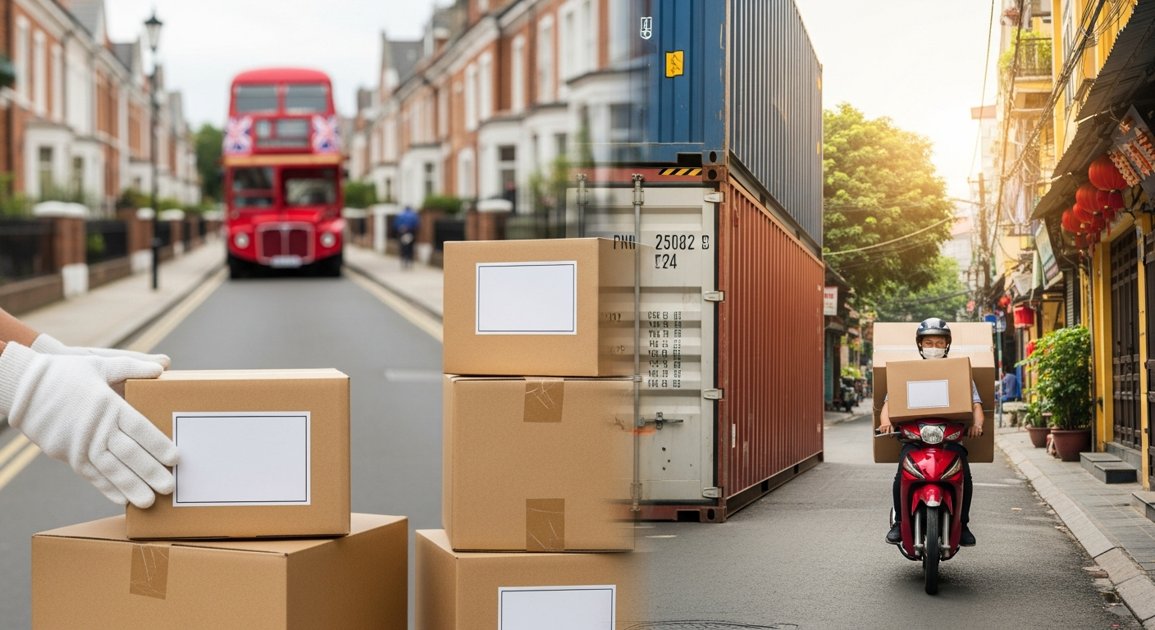
Relocating from the United Kingdom to Vietnam is more than just a change of scenery; it is a profound shift in logistical culture. In the UK, the removal process is a well-oiled machine characterized by standardized insurance, white-glove packing, and predictable door-to-door timelines. However, as your shipping container crosses the South China Sea, the rules of the game change. The transition from the structured British domestic moving model to Vietnam’s complex import landscape—where narrow alleys and intricate customs duties reign—requires a 'logistical pivot.' This guide provides the strategic roadmap you need to navigate this shift with precision.
The British Starting Point: Standardized Reliability
In the UK, professional removal services typically offer a seamless, end-to-end experience. You are accustomed to clear contracts, standardized volume calculations, and comprehensive transit insurance. While these services get your goods safely to the port, they often cannot prepare you for the 'micro-logistics' that await on the other side. The first step in your pivot is recognizing that your UK mover’s responsibility usually ends where the Vietnamese agent’s begins.
Navigating Vietnam’s Customs Landscape
Vietnam does not follow a 'one-size-fits-all' approach to household goods. Importing personal effects is a regulated process that demands specific documentation and an understanding of tax liabilities.
The Documentation Essentials
- Work Permit and Temporary Residence Card (TRC): To import household goods duty-free (as 'used items'), you generally need a valid work permit and a TRC valid for at least 12 months.
- Detailed Inventory List: This must be meticulously translated and categorized. Vague descriptions like 'kitchen items' can lead to inspections and delays.
- Bill of Lading and Passport: Ensure the name on your shipping documents matches your passport exactly to avoid bureaucratic deadlocks.
Understanding Duty and Tax Assessments
While used personal effects are often exempt, new items (typically those less than six months old) or high-value electronics and luxury goods may incur significant import duties. Be prepared for a physical inspection of your container, which is common practice in ports like Cat Lai (Ho Chi Minh City) or Hai Phong.
The Challenge of Micro-Logistics: The 'Final Mile'
Once your goods clear customs, the most physical challenge begins. Unlike the wide suburban streets of London or Manchester, Vietnamese urban centers are defined by 'Hẻms'—narrow, bustling alleys where a standard shipping container cannot venture.
The Trans-loading Strategy
In Vietnam, 'Port-to-Door' rarely means the original container arrives at your house. Instead, your goods will likely undergo 'trans-loading.' This involves:
- Unloading the container at a warehouse or a staging area outside the city center.
- Transferring items into smaller, maneuverable 1.5-ton trucks.
- In extreme cases (narrow Hẻms), using specialized hand-carts or multiple motorbike trips to reach your front door.
Physical Access and Labor
Vietnam’s urban architecture often features tall, narrow 'tube houses' with steep, winding staircases. Professional local crews are experts at maneuvering heavy furniture through tight spaces, often using pulleys or external hoists. Ensure your local coordinator has scouted your specific address to determine if a specialized crew is necessary.
Strategic Steps for a Smooth Pivot
- Appoint a Local 'Fixer': Don't rely solely on your UK mover. Ensure they have a vetted, high-quality partner in Vietnam who understands local port nuances.
- Inventory with Intent: Label every box with a numbering system that corresponds to your master list. This makes the trans-loading process easier to track.
- Prepare for the 'Grey' Timeline: Customs clearance in Vietnam can take anywhere from 3 to 10 working days. Factor in 'demurrage' (container storage fees) into your budget.
- Cash is King: While the big move is paid via bank transfer, have local currency (VND) ready for small on-the-spot costs or tips for the local crew navigating those difficult stairwells.
Plan Your Move with Precision
Navigating the leap from the UK to Vietnam requires more than just a packing list; it requires a data-driven strategy. The NewLife.Help comparison tool simplifies this complexity by analyzing your specific needs and providing a personalized relocation report in seconds, covering everything from logistics providers to cost estimates. Start Your Free Relocation Analysis
Conclusion
The transition from the UK’s professional removal services to the micro-logistics of Vietnam is a journey from the predictable to the dynamic. By understanding the pivot—moving from a mindset of 'standardized service' to one of 'strategic local navigation'—you can ensure your belongings arrive not just at the port, but safely inside your new home. With the right documentation and a clear plan for the final mile, your Vietnamese adventure can begin on a perfectly organized note.