The K-12 Transition Matrix: A Strategic Guide to Navigating the Shift from the Australian Curriculum to Spain’s Public, Private, and Concertado Schooling Systems
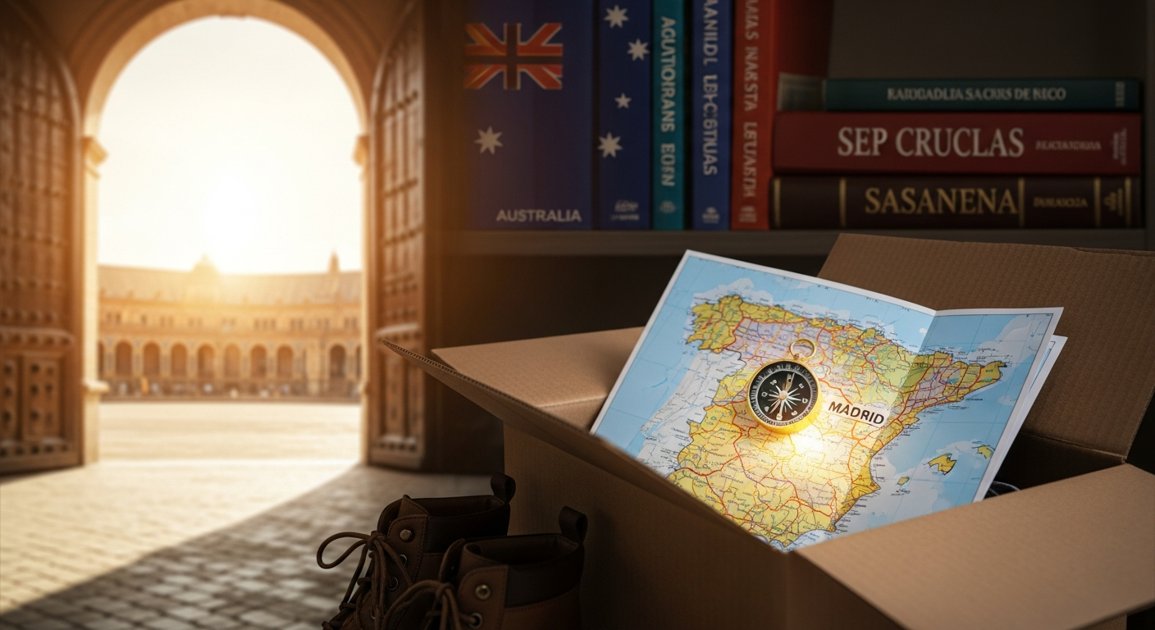
Bridging the Continental Divide: Australia to Spain
Moving your family from the structured, ACARA-aligned classrooms of Australia to the vibrant, multi-layered education system of Spain is more than just a geographic shift; it is a systemic recalibration. While both nations value high-quality education, the mechanisms of delivery—and the cultural expectations surrounding them—differ significantly. For the Australian expat, navigating the 'Transition Matrix' requires a strategic understanding of the three pillars of Spanish schooling: Público, Privado, and Concertado.
Decoding the Spanish Schooling Pillars
In Australia, the choice is typically between Government, Catholic, and Independent schools. In Spain, the categories are similar but function under different financial and regulatory frameworks:
- Colegios Públicos (Public Schools): State-funded and secular. These schools offer the fastest route to linguistic and cultural immersion. For Australians, the lack of tuition fees is a major draw, though the bureaucratic enrollment process is strictly tied to your place of residence (the empadronamiento).
- Colegios Concertados (Semi-Private): These are unique to Spain—privately owned (often by religious organizations) but subsidized by the government. They offer a middle ground: lower fees than fully private schools but often with more extracurricular options than public ones.
- Colegios Privados (Private/International): These include British, American, and International Baccalaureate (IB) schools. For families planning a shorter stay or those with children in the final years of high school (Year 11-12), these provide the most seamless curriculum continuity.
The Timeline Trap: Reconciling the Australian and Spanish Academic Years
One of the most significant hurdles for Australian families is the 'Calendar Flip.' While the Australian school year runs from late January to December, Spain follows the Northern Hemisphere cycle, beginning in September and ending in June. This presents a strategic choice:
- The 'Repeat' Strategy: If you move in July, your child may repeat the first half of a grade level they just completed in Australia. This is often recommended to allow for language acquisition without the pressure of new academic content.
- The 'Skip' Strategy: Pushing a child forward into the next grade level in September can be challenging, especially in the Bachillerato (Senior Secondary) years, where the curriculum intensity ramps up significantly.
Step-by-Step: Your Enrollment Action Plan
Navigating the Spanish bureaucracy requires patience and precision. Follow these steps to secure your child's place:
- Step 1: The Empadronamiento: You cannot apply for a public or concertado school without being registered on the municipal roll of your town. This is your first priority upon arrival.
- Step 2: Document Legalization: Unlike moving between Australian states, moving to Spain requires 'Apostilled' documents. Ensure your child’s birth certificates and previous two years of school reports are translated by a traductor jurado (sworn translator).
- Step 3: The Pre-Inscription Window: For public and concertado schools, the main application window usually opens in March or April for the September intake. Missing this window often means being assigned to whatever school has remaining vacancies.
- Step 4: Homologación: If your child is entering the 4th year of ESO (Year 10) or higher, you must begin the 'Homologación' process—the official recognition of foreign studies by the Spanish Ministry of Education.
Cultural Expectations and the 'Lunch Break' Shift
Australian parents are often surprised by the Spanish school schedule. While 'Early Learning' in Australia often mirrors a 9-to-3 workday, Spanish schools may utilize the jornada partida (split shift), where students have a long lunch break (2-3 hours) and return for afternoon classes. Furthermore, the emphasis on rote learning and oral examinations in the Spanish system can be a stark contrast to the inquiry-based learning common in many Australian primary schools.
Plan Your Move with Precision
Deciding between a local immersion experience in a Concertado or the familiar structure of an International IB school is a high-stakes decision that depends on your family's unique profile. The NewLife.Help comparison tool takes the guesswork out of your relocation by analyzing your children's ages, your professional location, and your long-term goals to provide a personalized relocation report in seconds. Save dozens of hours of research and ensure your children’s education doesn’t miss a beat.
Start Your Free Relocation Analysis
Conclusion
Transitioning from the Australian curriculum to the Spanish education system is a journey of both logistics and mindset. While the bureaucratic hurdles—from apostilles to enrollment windows—can feel daunting, the reward is a bilingual, culturally fluid education for your children. By understanding the Matrix of Public, Private, and Concertado options and planning for the calendar shift, Australian families can turn a complex international move into a strategic opportunity for growth.