The Hidden Costs of Moving Abroad: What Expats Often Forget to Budget For (and How to Prepare)
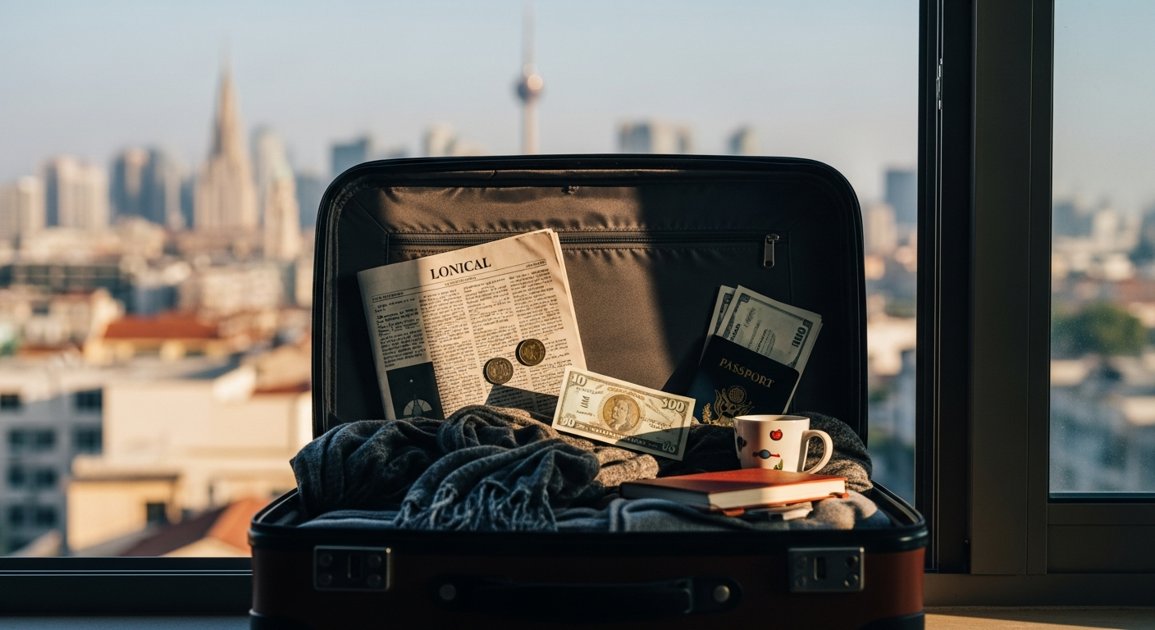
Ah, the allure of a new life abroad! Imagine the vibrant markets, the breathtaking landscapes, the thrill of a fresh start. You’ve probably spent hours dreaming, researching new cultures, and perfecting your language skills. You’ve budgeted for flights, initial rent, and maybe even a few weeks of sightseeing. But what about the shadowy figures lurking in the corners of your financial plan? What about the 'hidden costs' that often catch even the savviest expats off guard?
As an expert travel writer and a seasoned relocation advisor, I’ve seen countless dreams almost derailed by unexpected expenses. Moving abroad is an exhilarating adventure, but without a clear understanding of what you're truly signing up for financially, that dream can quickly become a costly nightmare. This post will pull back the curtain on those forgotten budget items, offering practical advice to help you prepare for a truly smooth financial transition.
Beyond the Plane Ticket: The Initial Shockers
Visa and Immigration Fees (More Than Just the Application)
You’ve paid the initial visa application fee, right? Great! But often, that’s just the tip of the iceberg. Many countries require a host of additional costs:
- Document Legalisation/Apostille: Your birth certificate, marriage certificate, or university degrees might need to be notarised, apostilled, or legalised by your home country’s embassy or consulate, each incurring a fee.
- Translation Costs: Official documents often need certified translations into the local language.
- Medical Exams: Some visas require mandatory medical examinations by approved physicians, which you typically pay for out-of-pocket.
- Biometrics: Fingerprinting and photo fees are common.
- Immigration Lawyers/Consultants: If your situation is complex, professional help can be invaluable but comes at a significant cost.
How to Prepare: Research your target country's specific visa requirements *thoroughly*. Consult official government websites, expat forums, and if necessary, a reputable immigration lawyer early in the process. Create a dedicated 'Visa & Immigration' budget line item and overestimate!
Shipping and Excess Baggage (The Weight of Your Life)
You think you’ve got it all covered with a few extra suitcases? Think again. The cost of transporting your belongings can escalate rapidly.
- Container Shipping: If you’re moving furniture or a large volume of possessions, a shipping container can be surprisingly expensive, especially with customs duties, port fees, and local delivery added on.
- Excess Baggage: Airlines charge exorbitant rates for bags over the weight limit or beyond the standard allowance.
- Customs Duties & Taxes: Even personal items can be subject to import duties in your new country.
- Insurance: Shipping valuable items without insurance is a huge risk, but it adds to the cost.
How to Prepare: Get multiple quotes from international moving companies. Be ruthless about what you absolutely *need* to ship. Consider selling or donating items and buying new ones locally if the shipping cost outweighs the value. For essentials, explore cheaper alternatives like sending boxes via postal services or specialised couriers well in advance.
Temporary Accommodation & Settling-in Costs (The Transition Period)
Landing in your new country usually means you won't walk straight into your permanent home. The gap can be costly.
- Hotel/Airbnb Stays: Living in temporary accommodation for weeks or even months while you search for a long-term rental or wait for your belongings to arrive can drain your funds.
- Initial Essentials: While in temporary digs, you'll still need to eat out more, buy basic groceries, and possibly even travel essentials (local SIM card, public transport passes).
- Furniture & Appliance Deposits: Once you find a place, you might need to pay significant deposits for rent, utilities, and potentially even furniture or appliance rentals before your shipped items arrive.
How to Prepare: Budget for at least 2-4 weeks of temporary accommodation. Factor in daily living expenses that will likely be higher than when you're settled. Prioritise finding permanent housing as quickly as possible and understand the local rental market's deposit requirements.
The Daily Grind: Unexpected Living Expenses
Healthcare & Insurance (Your Well-being Abroad)
Don't assume your home country's healthcare system or insurance policy will cover you.
- Private Health Insurance: Many expat visas require comprehensive private health insurance, which can be expensive, especially for families.
- Local Co-pays/Deductibles: Even with insurance, you might face significant co-payments or deductibles for doctor visits, prescriptions, or treatments.
- Dental & Optical: These are often separate policies or have very limited coverage.
- Vaccinations & Pre-travel Check-ups: You might need specific vaccinations before moving, or a thorough check-up to ensure you're fit to travel, all with associated costs.
How to Prepare: Research the local healthcare system thoroughly. Get quotes for international health insurance *before* you move. Understand what's covered, what isn't, and what your out-of-pocket expenses might be. Budget for an emergency medical fund.
Banking & Currency Exchange (Every Penny Counts)
Transferring money and daily transactions can slowly chip away at your savings.
- Transfer Fees: International bank transfers often come with high fees and unfavourable exchange rates.
- ATM Withdrawal Fees: Using your home bank card at local ATMs can incur fees from both your bank and the local ATM provider.
- Account Maintenance Fees: Some local bank accounts might have monthly maintenance fees.
- Exchange Rate Fluctuations: A weakening home currency can make your budget stretch less than anticipated.
How to Prepare: Look into fee-free international money transfer services (e.g., Wise, Revolut). Open a local bank account as soon as possible to avoid ongoing foreign transaction fees. Monitor exchange rates and consider transferring larger sums when rates are favourable. Always budget a small buffer for currency fluctuations.
Utilities & Connectivity Setup (Getting Connected)
Beyond the monthly bills, setting up your new home often involves hidden fees.
- Installation Fees: Internet, cable, and sometimes even electricity or gas might have one-off installation or activation fees.
- Security Deposits: Utility providers often require deposits, especially for new residents or those without a local credit history.
- Hardware Costs: You might need to buy a new router, modem, or even adaptors/converters for your existing electronics.
How to Prepare: Ask your landlord or local expat groups about typical setup costs and security deposit requirements. Factor in the cost of necessary adaptors and converters for your electronics.
Language Learning & Cultural Assimilation (Investing in Your Future)
Embracing your new culture is key, and it often comes with a price tag.
- Language Classes: While essential for integration, these can be expensive, whether group classes or private tutors.
- Cultural Activities & Workshops: To truly integrate, you might want to invest in local cooking classes, art workshops, or guided tours, all of which contribute to your experience but also your expenses.
- Socialising: Building a new social circle often involves going out, trying new restaurants, and participating in local events, which adds up.
How to Prepare: Research free language exchange groups or online resources first. Budget a specific amount for language learning and cultural immersion activities. View these not as expenses, but as investments in your successful integration and happiness.
The Long Game: Overlooked Long-Term Costs
Return Trips & Family Visits (The Heart's Pull)
Distance makes the heart grow fonder, but also makes flights more expensive.
- Flights Home: Even if you don't plan to visit often, unexpected family events or homesickness can necessitate costly last-minute flights.
- Visitor Costs: If family or friends visit you, you might incur expenses for their accommodation, entertainment, or even picking them up from the airport.
- Gifts: Bringing gifts back home or sending them for special occasions can add up.
How to Prepare: Include an annual 'Travel Home' or 'Family Visit' fund in your long-term budget. Explore flexible flight options or budget airlines. Be realistic about how often you might genuinely need or want to travel back.
Tax Implications (The Dual Burden)
Understanding taxes in your new country *and* how they interact with your home country's tax system is crucial.
- Double Taxation: Without proper planning or tax treaties, you could end up paying taxes on the same income in two countries.
- Local Taxes: Beyond income tax, research property taxes, sales tax (VAT), and any other local levies.
- Tax Consultancy: It’s often worth paying for professional tax advice tailored to expats to ensure compliance and avoid costly mistakes.
How to Prepare: Consult a tax specialist experienced in international taxation *before* you move. Understand tax treaties between your home country and your new country. Keep meticulous records of all income and expenses.
Maintaining Ties (Staying Connected)
Keeping up with your old life from afar comes with costs.
- International Phone Plans: While messaging apps help, you might still need international calling credit or a robust plan.
- Subscription Services: You might continue paying for streaming services, news subscriptions, or apps from your home country.
- Sending Gifts/Mail: Postage for international packages can be surprisingly high.
How to Prepare: Evaluate which subscriptions you truly need. Explore VoIP services or international calling apps for cost-effective communication. Prioritise connections wisely.
The "Comfort" Premium (Familiarity at a Price)
Homesickness often manifests in a desire for familiar comforts, which can be expensive.
- Imported Foods/Brands: Craving that specific cereal or snack from home? Imported goods usually come with a hefty markup.
- International Schools: If you have children, the cost of an international school (often preferred by expats) can be astronomical compared to local public options.
- Hobbies/Sports: Continuing a niche hobby or sport from home might require specific equipment or club memberships that are more expensive locally.
How to Prepare: Embrace local alternatives! This is part of the adventure. For necessities, budget for occasional indulgences. For schooling, research both international and local options thoroughly, considering long-term financial implications.
Preparing for the Unforeseen: Your Action Plan
Now that you're aware of these potential financial potholes, here's how to navigate them:
- Deep Dive Research: Spend significant time on expat forums, social media groups for your target city/country, and government websites. Ask specific questions about costs that aren't immediately obvious.
- Create a Detailed Budget (with a Buffer): Don't just budget for the obvious. Add specific line items for each of the hidden costs mentioned above. Most importantly, create an 'Emergency Expat Fund' equal to at least 3-6 months of your estimated living expenses. This is your safety net.
- Get Multiple Quotes: For shipping, insurance, and even major purchases, always get at least three quotes to compare prices and services.
- Understand Local Laws & Customs: Before you arrive, educate yourself on rental laws, utility practices, tax obligations, and banking regulations. Ignorance can be expensive.
- Track Your Spending Religiously: For the first few months, meticulously track every penny you spend. This will give you a realistic picture of your actual cost of living and help you adjust your budget.
- Embrace Localisation: The quickest way to reduce costs is to adapt to local products, services, and lifestyles. It's often cheaper, more sustainable, and enriches your experience!
Conclusion
Moving abroad is an extraordinary leap of faith, a journey of discovery that promises unparalleled growth and adventure. While the excitement is palpable, a clear-eyed understanding of the financial landscape is your most powerful tool for success. By anticipating these hidden costs, budgeting wisely, and embracing a proactive mindset, you won't just move abroad; you'll thrive there. So pack your bags, but don't forget to pack a robust financial plan. Your new life awaits, and it deserves a strong, stable foundation.