The Environmental Pivot: A Strategic Guide to Comparing Climate Resilience, Seasonal Air Quality, and Weather Patterns in the USA vs. Thailand
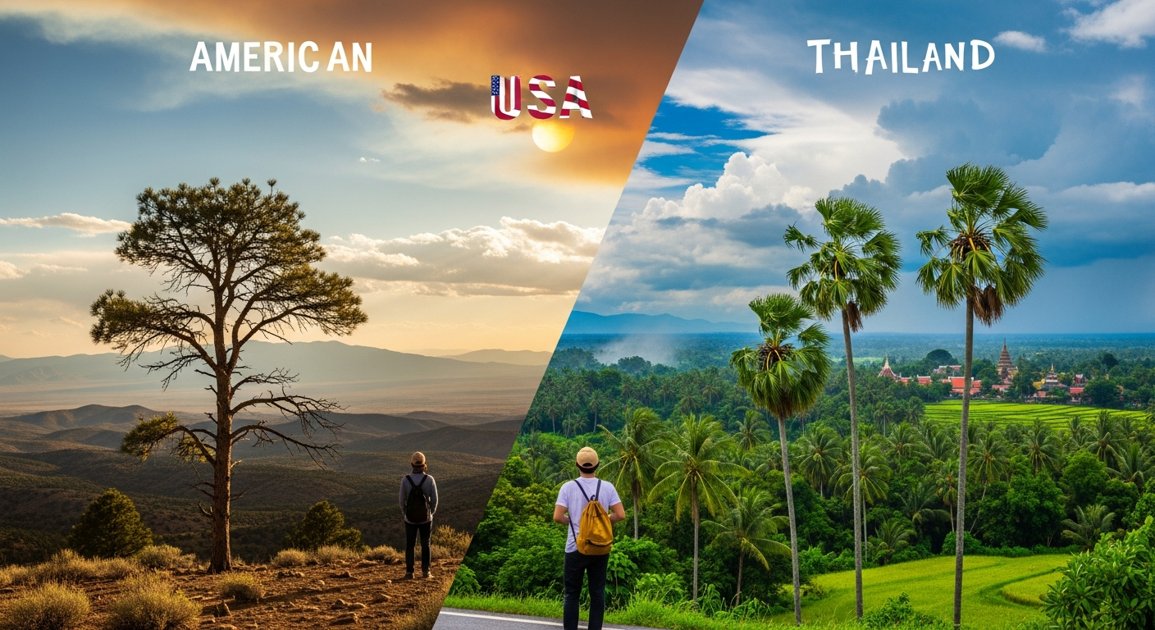
The Environmental Pivot: Climate-Proofing Your Next Move
In the past, choosing a relocation destination was primarily about tax brackets, cost of living, or cultural flair. Today, a new factor has climbed to the top of the priority list: environmental resilience. As global weather patterns become more volatile, savvy expats are looking at 'climate-proofing' their lives. Whether you are eyeing the sprawling diversity of the United States or the tropical allure of Thailand, understanding the environmental trade-offs is essential for your long-term health and peace of mind.
The US Landscape: A Patchwork of Environmental Extremes
The United States offers a vast geographical range, but with that diversity comes a complex array of climate risks. When evaluating the US, it is no longer enough to look at average temperatures; you must look at seasonal volatility.
Wildfires and Air Quality in the West
States like California, Oregon, and Washington offer stunning landscapes but face an increasing threat from seasonal wildfires. For expats, this means 'Smoke Season'—periods where PM2.5 levels can skyrocket, making outdoor activities hazardous and necessitating high-end HVAC filtration systems in homes.
Humidity and Hurricane Resilience in the South and East
The Gulf Coast and the Eastern Seaboard provide warmth and coastal beauty, but they require a strategic approach to hurricane season (June through November). Infrastructure resilience is higher here than in many parts of the world, with strict building codes, but the rising cost of flood insurance is a significant economic factor to consider.
Thailand’s Tropical Rhythm: Monsoons and the 'Burning Season'
Thailand’s climate is governed by the monsoon cycle, creating a predictable but intense environmental rhythm. For those moving from temperate climates, the lack of traditional four seasons is replaced by the 'Hot,' 'Rainy,' and 'Cool' periods.
The PM2.5 Crisis: Navigating Northern Thailand’s Air Quality
Perhaps the most critical environmental factor in Thailand is the 'Burning Season' (typically February to April). In Northern hubs like Chiang Mai, agricultural burning and stagnant air create hazardous air quality levels that often exceed 200+ AQI. Many expats choose a 'seasonal migration' strategy, leaving the north during these months to head to the southern islands or abroad.
Monsoon Management and Urban Flooding
While the rainy season brings lush landscapes, it also brings the risk of flash flooding, particularly in low-lying areas of Bangkok and central Thailand. Modern luxury developments often feature elevated foundations and sophisticated drainage, but local infrastructure can still struggle during peak monsoon events.
Head-to-Head: Comparing Long-term Environmental Health
To help you decide between these two destinations, consider these data-driven comparison points:
- Air Quality Consistency: Most US regions (outside of fire zones) maintain higher average air quality year-round compared to Thai urban centers.
- Infrastructure Reliability: The US generally offers more robust power grid stability during extreme weather, though Thailand’s private residential developments are increasingly self-sufficient with backup generators.
- Seasonal Predictability: Thailand’s weather is highly predictable based on the calendar, whereas US weather patterns are becoming increasingly erratic due to shifting jet streams.
Step-by-Step: How to Audit Your Target Location
Before signing a long-term lease or purchasing property, follow these steps to ensure the environment matches your health needs:
- Check Historical AQI Data: Use tools like IQAir to look at the three-year history of PM2.5 levels for your specific neighborhood during the 'worst' months.
- Evaluate Water Scarcity and Quality: In the US Southwest, investigate water rights; in Thailand, ensure your building has a high-quality filtration and UV sterilization system.
- Assess Micro-Climates: In the US, a distance of 10 miles can mean the difference between a flood zone and safety. In Thailand, being two blocks away from a major 'klong' (canal) can change your flood risk entirely.
Plan Your Move with Precision
Choosing between the US and Thailand requires more than just a gut feeling; it requires a deep dive into the data that will impact your daily life. The NewLife.Help comparison tool simplifies this process by aggregating environmental data, cost of living, and infrastructure quality into one personalized relocation report. Get a comprehensive look at your potential new home and make your move with total confidence.
Start Your Free Relocation Analysis
Conclusion
The environmental pivot is about more than just avoiding rain or finding sun; it is about choosing a location that supports your health and lifestyle for decades to come. Whether you prefer the regulated resilience of the United States or the vibrant, tropical cycles of Thailand, being informed is your greatest asset. By weighing air quality, seasonal shifts, and infrastructure, you aren't just moving to a new country—you are choosing a sustainable future.