The Domestic Infrastructure Pivot: A Strategic Guide to Transitioning from Canada’s Winterized Maintenance to Costa Rica’s Tropical Humidity and Power Surge Mitigation
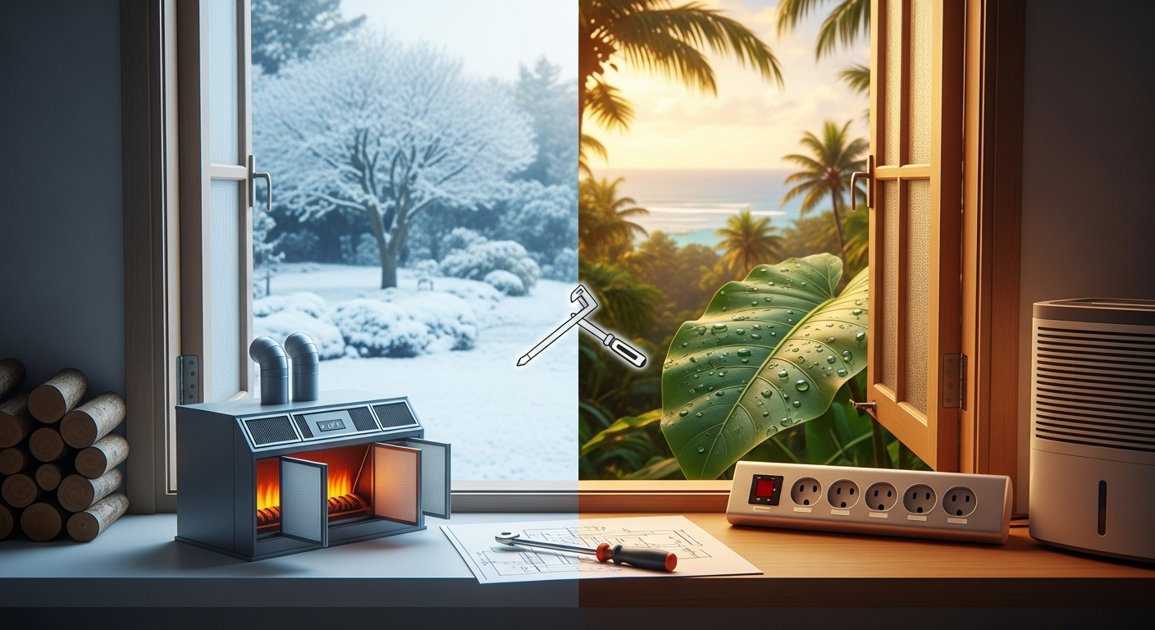
For many Canadians, the ritual of home maintenance is dictated by the thermometer. We spend our autumns bleeding radiators, caulking window frames, and ensuring the furnace is ready to battle a -30°C polar vortex. It is a battle against the cold, a struggle to keep heat in and the elements out. However, when you trade the Great White North for the lush landscapes of Costa Rica, the enemy changes. You are no longer fighting the freeze; you are managing moisture, biological growth, and an electrical grid that dances to its own rhythm.
The Fundamental Shift: From R-Values to Airflow
In Canada, a well-maintained home is a sealed envelope. In Costa Rica, a sealed home is a petri dish. The transition from a winterized infrastructure to a tropical one requires unlearning the habit of trapping air. In the tropics, stagnant air leads to mold, mildew, and structural decay.
Mastering Humidity Mitigation
While Canadians worry about humidity being too low in the winter (necessitating humidifiers to save their hardwood floors), Costa Rican residents face the opposite. High relative humidity (often exceeding 80%) can destroy electronics and clothing within weeks.
- Industrial Dehumidification: Relying on air conditioning alone is expensive and often insufficient. Invest in high-capacity, portable dehumidifiers for closets and media rooms.
- Dry Rooms: Many expats designate a specific small room or large walk-in closet as a 'dry room,' equipped with a continuous-drain dehumidifier to protect leather goods, cameras, and documents.
- Active Airflow: Unlike the Canadian 'keep the door shut' mentality, tropical maintenance involves strategic cross-ventilation and the constant use of ceiling fans to prevent spore settlement.
Electrical Resilience: Safeguarding Against the Surge
In Canada, power surges are rare anomalies usually tied to major storms. In Costa Rica, voltage fluctuations are a daily reality. The infrastructure is improving, but the combination of lightning strikes and grid instability means your Canadian 'plug and play' habits could lead to fried circuit boards.
Step-by-Step Power Protection
- Point-of-Entry Surge Protection: Install a whole-house surge protector at your main electrical panel. This is your first line of defense.
- Voltage Regulators (AVRs): For high-value items like refrigerators, computers, and home theater systems, a simple power bar isn't enough. Use Automatic Voltage Regulators that 'clean' the power, ensuring a steady 120V output regardless of grid spikes or brownouts.
- The Three-Prong Check: Many older Costa Rican homes lack proper grounding. Before moving in, have a certified electrician verify that your outlets are truly grounded to prevent 'phantom' shocks and equipment failure.
Infrastructure Under the Surface: Septic and Water
Most Canadian urbanites are accustomed to municipal sewage. In Costa Rica, even in luxury developments, you are likely managing your own waste via a septic system or a biodigester. Understanding this shift is critical for long-term property health.
Septic Maintenance in the Tropics
- Biodigester Care: Modern Costa Rican homes often use biodigesters. Avoid harsh chemicals and bleach, which kill the bacteria necessary for breaking down waste.
- Annual Inspections: Tropical rains can saturate drainage fields. An annual pre-rainy season inspection of your tank and drainage lines prevents catastrophic backups during a downpour.
- Water Pressure Regulators: Local water pressure can vary wildly. Installing a pressure reducing valve (PRV) protects your internal plumbing from bursts caused by sudden spikes in municipal line pressure.
Plan Your Move with Precision
Navigating the technical nuances of a cross-border move doesn't have to be overwhelming. The NewLife.Help comparison tool is designed to bridge the gap between your current lifestyle and your future home. By inputting your specific needs, you can generate a personalized relocation report in seconds, covering everything from infrastructure costs to local maintenance standards. Start Your Free Relocation Analysis
Conclusion
The transition from a Canadian winterized home to a Costa Rican tropical villa is more than just a change in scenery; it is a pivot in how you interact with your physical environment. By shifting your focus from heat retention to humidity control and electrical stabilization, you protect your investment and ensure your slice of paradise remains a sanctuary rather than a source of stress. Embrace the new rhythm of maintenance, and your tropical home will reward you for decades to come.