The Cheapest Capital Cities in Europe for Expats
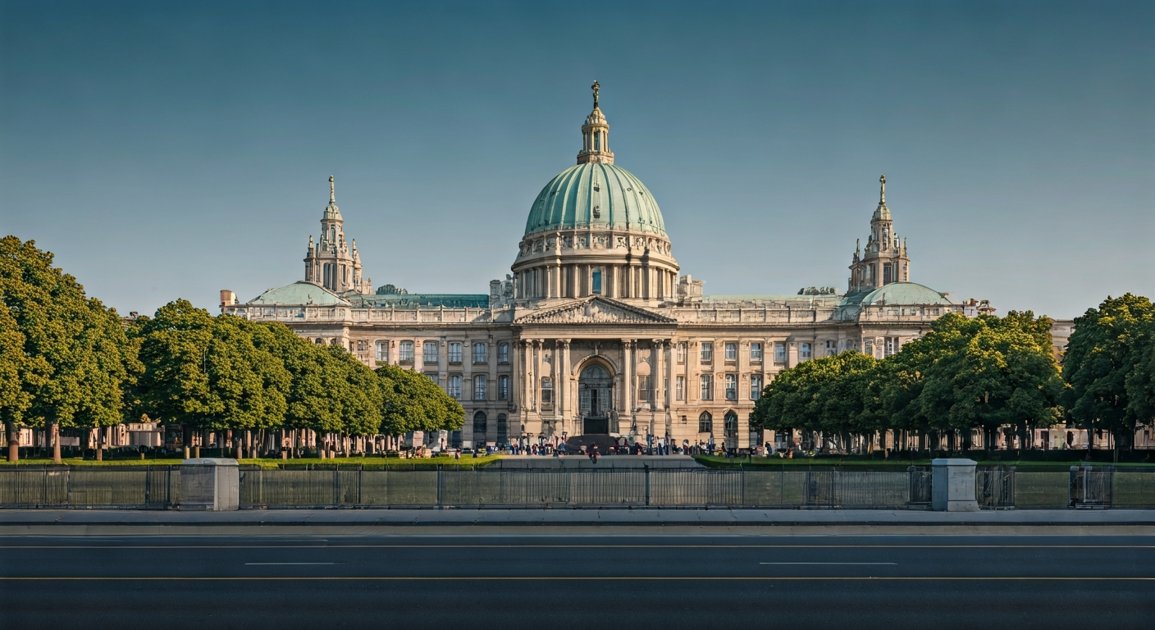
Unlocking Europe: Your Guide to Affordable Capital City Living
The dream of expat life in Europe often conjures images of charming cobblestone streets, rich history, and vibrant cultures. But then, the practicalities kick in: the soaring rents of Paris, the hefty price tags of London, or the ever-increasing cost of living in Amsterdam. It's enough to make even the most adventurous spirit hesitate. What if we told you that the heart of Europe beats just as strongly in cities where your budget can stretch further, allowing you not just to survive, but to truly thrive?
As your trusted guide, blending the wanderlust of a seasoned traveler with the nuts-and-bolts advice of a relocation expert, we're here to unveil Europe's hidden gems. These are the capital cities where your euros (or local currency) will go the distance, offering a rich expat experience without breaking the bank. Get ready to swap financial stress for cultural immersion, because your affordable European adventure starts now.
Discovering Europe's Most Budget-Friendly Capitals for Expats
Sofia, Bulgaria: Balkan Charm on a Budget
Nestled at the foot of the Vitosha mountain, Sofia is often overlooked, making it one of Europe's best-kept secrets for affordable living. This vibrant capital offers a captivating blend of ancient history, Orthodox cathedrals, Soviet-era monuments, and a thriving modern arts scene. Think lively cafes, green parks, and a genuinely warm local populace, all without the tourist crowds of Western Europe.
Why Sofia? The cost of living here is remarkably low. Rent for a modern, central apartment can be a fraction of what you'd pay in Berlin, and local produce, public transport, and dining out are incredibly affordable. It's an EU capital with a relaxed pace, perfect for those seeking genuine cultural immersion and outdoor adventures right on their doorstep.
- Top Things to Experience:
- Visit the majestic Alexander Nevsky Cathedral.
- Hike or ski Vitosha Mountain, just a short bus ride away.
- Explore the ancient Serdica ruins beneath the modern city.
- Indulge in delicious Bulgarian cuisine – don't miss banitsa and shopska salad.
- Practical Relocation Tips:
- Housing: Websites like Imot.bg or local real estate agents are your best bet. Expect to pay €300-€500 for a decent 1-bedroom apartment in a good area.
- Connectivity: Excellent internet speeds are standard and cheap.
- Expat Scene: A growing community, though less established than in Western capitals. Join Facebook groups like "Expats in Sofia."
- Visas: As an EU member, EU/EEA citizens have straightforward residency. Non-EU citizens will need a D-type visa (e.g., for work, study, or business).
Bucharest, Romania: The Dynamic Eastern Jewel
Bucharest, often dubbed "Little Paris" for its Belle Époque architecture, is a city of intriguing contrasts. Grand boulevards intertwine with charming old town streets, and communist-era structures stand beside futuristic glass buildings. It's a city with a raw, energetic pulse, a fantastic nightlife, and a rapidly developing tech scene, all offered at a price point that makes expat life incredibly appealing.
Why Bucharest? Romania's capital provides an exceptional quality of life for its cost. Groceries are cheap, eating out is a pleasure rather than a luxury, and rent, while rising, is still very manageable compared to Western peers. The culture is vibrant, the people are welcoming, and there's a tangible sense of a city on the rise.
- Top Things to Experience:
- Marvel at the colossal Palace of the Parliament.
- Wander through the charming Old Town (Centrul Vechi) with its bustling bars and restaurants.
- Relax in Herăstrău Park, one of Europe's largest urban parks.
- Discover the National Museum of Art of Romania.
- Practical Relocation Tips:
- Housing: Use platforms like OLX.ro (local Craigslist) or specific real estate portals. A 1-bedroom in the center typically costs €400-€600.
- Job Market: Strong IT and BPO sectors offer opportunities, especially for English speakers.
- Language: Romanian is a Romance language, making it somewhat accessible if you know other Romance languages. English is widely spoken, especially among younger generations.
- Residency: Similar to Bulgaria for EU/EEA citizens. Non-EU citizens need a long-stay visa and then a residence permit.
Belgrade, Serbia: The Underrated Balkan Metropolis
Perched at the confluence of the Sava and Danube rivers, Belgrade is a city with a tumultuous history but an indomitable spirit. It's gritty, energetic, and unapologetically authentic, offering a nightlife that rivals many larger European cities, a thriving café culture, and a surprisingly diverse culinary scene. While not an EU member, its affordability and vibrant atmosphere make it a strong contender for budget-conscious expats.
Why Belgrade? This is where your money truly stretches. Rent, food, entertainment, and public transport are significantly cheaper than in EU capitals. The city has a buzzing expat community, especially among digital nomads drawn to its low costs and high quality of life. Be prepared for a city that buzzes with life until the early hours, offering a unique blend of Central European, Ottoman, and socialist influences.
- Top Things to Experience:
- Explore the mighty Belgrade Fortress (Kalemegdan Park) for stunning river views.
- Stroll down Skadarlija, the bohemian quarter, for traditional Serbian food and music.
- Experience Belgrade's legendary nightlife, particularly on the riverboats (splavovi).
- Visit St. Sava Temple, one of the largest Orthodox churches in the world.
- Practical Relocation Tips:
- Housing: Search sites like Halo Oglasi or City Expert. A central 1-bedroom apartment can be found for €300-€500.
- Visa & Residency: This is a crucial point for non-EU citizens. Many nationalities can enter visa-free for up to 90 days. For longer stays, you'll need a temporary residence permit (e.g., based on employment, business, or property ownership). Consult the Serbian Ministry of Interior for specifics.
- Currency: Serbian Dinar (RSD). Be aware of exchange rates.
- Community: Active expat groups on social media. English is widely spoken in tourist areas and among younger people.
Warsaw, Poland: Resilience Meets Modernity
Warsaw, a city almost entirely rebuilt after WWII, stands as a testament to resilience and progress. Today, it's a dynamic, modern European capital boasting impressive skyscrapers, beautiful parks, world-class museums, and a rapidly growing economy. While no longer "dirt cheap," Warsaw offers exceptional value for money, especially compared to Western European capitals, combined with excellent infrastructure and a high quality of life.
Why Warsaw? It strikes a perfect balance between affordability and development. You get all the amenities of a major European capital – excellent public transport, a diverse job market (especially in IT and finance), fantastic culinary scene, and a vibrant cultural calendar – without the prohibitive costs. It's a city that continuously reinvents itself, offering a comfortable and engaging expat experience.
- Top Things to Experience:
- Wander through the meticulously restored Old Town, a UNESCO World Heritage site.
- Visit the Warsaw Uprising Museum for a poignant historical insight.
- Stroll through Łazienki Park and see the Chopin monument.
- Explore the vibrant Praga district for an alternative, artistic vibe.
- Practical Relocation Tips:
- Housing: Search portals like Otodom.pl or Gumtree.pl. A decent 1-bedroom in the center can range from €600-€900, but offers much more space than Western counterparts.
- Public Transport: Warsaw boasts an efficient and affordable public transport system (buses, trams, metro).
- Job Market: Strong sectors in IT, finance, and BPO. English is crucial for many roles.
- Residency: Standard EU rules apply for EU/EEA citizens. Non-EU citizens will typically need a work permit and a national visa, followed by a temporary residence permit.
Navigating the Move: Essential Relocation Advice
Visa & Residency Fundamentals
Understanding the legalities is paramount. Your nationality will dictate your path:
- EU/EEA/Swiss Citizens: Generally enjoy the right to free movement, allowing you to live and work in other member states. You'll typically need to register your residency after a certain period (usually 3 months).
- Non-EU/EEA Citizens: This requires more planning. Common routes include:
- Work Visa: Requires a job offer from a local company. The company often sponsors your visa.
- Student Visa: For those enrolled in a recognized educational institution.
- Family Reunification Visa: If you have a family member already living legally in the country.
- Digital Nomad/Self-Employed Visa: Some countries are introducing specific visas for remote workers or those who can prove sufficient funds and a business plan. Research specific country offerings!
- Proof of Sufficient Funds: Some countries (like Bulgaria) allow residency based purely on having enough income/savings to support yourself without working locally.
Actionable Tip: Always consult the official embassy or consulate website of your chosen country in your home country, or their national immigration agency's website. Regulations change frequently!
Finding Your Home Away From Home
Housing will be your biggest fixed cost, even in affordable cities. Here's how to navigate it:
- Online Portals: Each country has popular local sites (e.g., Imot.bg, OLX.ro, Otodom.pl). International sites like Idealista (for some parts of Europe) or local expat Facebook groups can also be useful.
- Real Estate Agents: Can be very helpful, especially for language barriers and understanding local contracts. Be aware of agency fees (typically one month's rent).
- Temporary Accommodation: Consider booking an Airbnb or short-term rental for your first 2-4 weeks. This gives you time to scout neighborhoods, meet agents, and view properties in person without feeling rushed.
- Lease Agreements: Always read the fine print. Understand termination clauses, deposit rules, and included utilities.
Budgeting Like a Pro: Beyond Rent
While rent is key, consider these other categories to build a realistic budget:
- Groceries: Shop at local markets for fresh, seasonal produce. Avoid imported goods where possible.
- Utilities: Electricity, water, heating, internet, and mobile phone. Often lower than Western Europe.
- Transportation: Public transport in these cities is efficient and very affordable. Consider monthly passes.
- Healthcare: For EU/EEA citizens, your EHIC card covers emergencies. For long-term stays, local public health insurance or private options are necessary. Non-EU citizens typically need private health insurance as part of their visa application.
- Leisure: Eating out, cultural events, sports. These are usually much more affordable in Eastern and Southeastern European capitals.
Embracing the Local Culture
Relocating isn't just about logistics; it's about integration.
- Language: Even a few basic phrases in the local language can make a huge difference in daily interactions and show respect. Many online resources and local classes are available.
- Community: Seek out expat groups on Facebook or Meetup.com. Don't forget to also make an effort to connect with locals – they are your best resource for truly understanding the city.
- Bureaucracy: Be prepared for paperwork and potentially slower processes than you're used to. Patience is key!
Your Expat Relocation Checklist
To keep you on track, here's a concise checklist for your journey:
- Pre-Departure Phase:
- Research visa/residency requirements thoroughly and begin application.
- Budget planning: Estimate initial costs (flights, temporary housing, deposits).
- Sort out international health insurance (if not covered by national scheme).
- Inform your bank, cancel unnecessary subscriptions, forward mail.
- Digitize important documents and make physical copies.
- Arrange temporary accommodation for your first weeks.
- Book flights and airport transfers.
- Arrival Phase:
- Register your address with local authorities (if required).
- Open a local bank account.
- Get a local SIM card.
- Familiarize yourself with public transport.
- Start looking for permanent housing.
- Settling In Phase:
- Apply for necessary local ID cards/residence permits.
- Explore local grocery stores and markets.
- Join expat groups and local clubs/activities.
- Consider language classes.
- Set up utilities in your new home.
Final Thoughts
The dream of a European expat life doesn't have to be reserved for those with bottomless pockets. With a little research, an open mind, and our practical advice, you can unlock vibrant capital cities that offer a rich cultural tapestry, a thriving social scene, and a quality of life that genuinely surprises. Sofia, Bucharest, Belgrade, and Warsaw are just a few examples of places where your ambition to live abroad can become an affordable, exhilarating reality. So, pack your bags, prepare your documents, and get ready to write your next chapter in one of Europe's most compelling and budget-friendly capitals. The adventure awaits!