The Best Neighbourhoods in Paris for Expats
Finding Your Paris Home: A Guide to the City's Best Neighbourhoods for Expats
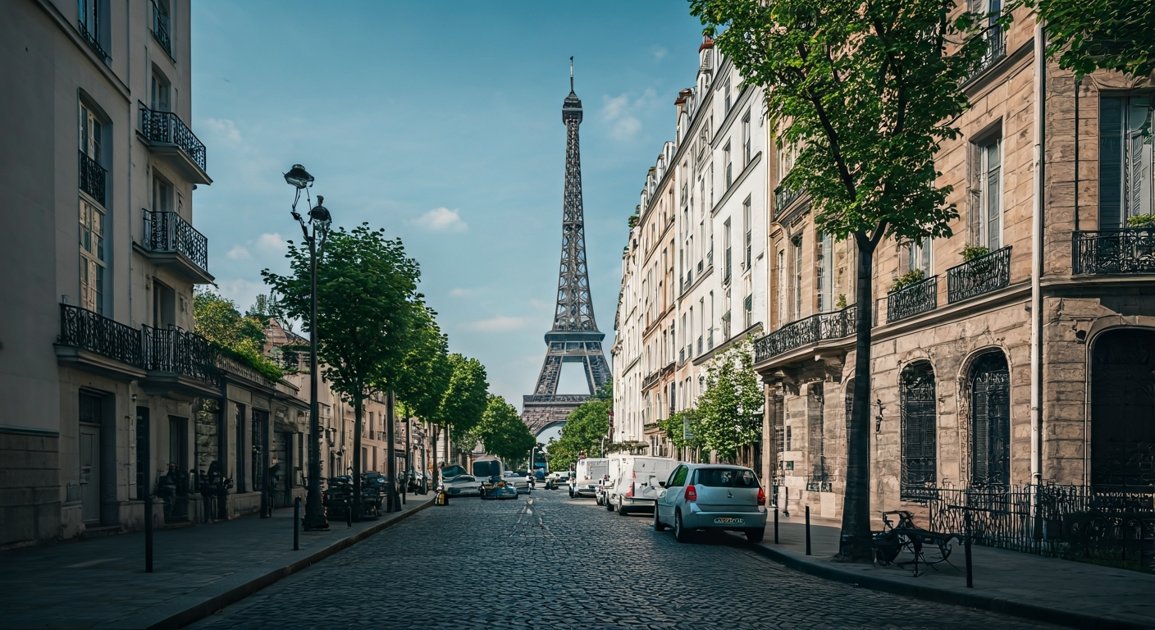
Paris. The very name evokes a cascade of sensory delights: the scent of fresh croissants, the shimmer of the Seine at twilight, the timeless elegance of Haussmannian architecture. For many, it's the ultimate dream destination. But what happens when the dream of the City of Lights shifts from a vacation fantasy to a very real relocation plan? The romantic allure remains, but practical considerations take center stage. Where will you live? What will your daily life truly be like?
As an expert travel writer and a seasoned relocation advisor, I'm here to bridge that gap. This isn't just about admiring Paris; it's about making it your home. We'll delve into the beating heart of several iconic Parisian neighborhoods, exploring their unique character, what they offer to expats, and crucially, what you need to know to make the best choice for you and your family.
Whether you're a young professional seeking vibrant nightlife, a family yearning for green spaces and excellent schools, or an artist craving bohemian charm, Paris has a quartier waiting for you. Let's peel back the layers of this magnificent city and find your perfect Parisian base.
Exploring Paris, Your Future Home
Le Marais (3rd & 4th Arrondissements): Historic Charm Meets Modern Chic
Vibe: Le Marais is a captivating blend of old and new. cobblestone streets, hidden courtyards, and ancient architecture meet trendy boutiques, art galleries, and bustling cafes. It's historically rich, culturally vibrant, and undeniably fashionable.
- Best For: Young professionals, couples, singles, and those who appreciate history, culture, and a lively urban atmosphere. Its central location is a huge draw.
- Key Features: Home to Place des Vosges (Paris's oldest planned square), the Picasso Museum, and a thriving LGBTQ+ community. Excellent nightlife, gourmet food shops, and independent fashion designers.
- Practical Considerations: Housing can be competitive and expensive, often featuring smaller apartments in historic buildings. While charming, modern amenities might be less common. Excellent public transport links (metro lines 1, 4, 7, 8, 11).
Insider Tip: Explore the lesser-known side streets like Rue des Rosiers for incredible falafel and a glimpse into the historic Jewish Quarter, or delve into the art galleries around Rue Vieille du Temple.
Saint-Germain-des-Prés (6th Arrondissement): Parisian Elegance and Intellectual Heritage
Vibe: Quintessential Parisian elegance. Think grand boulevards, iconic literary cafes (Les Deux Magots, Café de Flore), high-end boutiques, and a refined, intellectual atmosphere. It's chic, sophisticated, and retains a timeless appeal.
- Best For: Families (with a generous budget), established professionals, academics, and those seeking a classic, sophisticated Parisian experience with excellent schools and amenities.
- Key Features: Proximity to the Luxembourg Gardens, numerous art galleries, antique shops, and renowned universities. The area exudes a calm, dignified atmosphere despite its central location.
- Practical Considerations: This is one of Paris's most expensive neighborhoods. Apartments are typically larger and more luxurious but come with a premium price tag. Very well-connected by metro (lines 4, 10, 12).
Insider Tip: Don't just stick to Boulevard Saint-Germain. Wander down Rue Jacob and Rue de Seine for charming art galleries and quaint bookstores away from the main tourist hubs.
Montmartre (18th Arrondissement): Bohemian Charm and Village Feel
Vibe: Perched on a hill, Montmartre offers a unique "village within the city" feel. Famous for its artistic history, the Sacré-Cœur Basilica, and breathtaking views, it combines bohemian charm with a strong sense of community.
- Best For: Artists, creatives, young couples, and those seeking a more communal, less formal atmosphere. It offers a slightly more affordable entry point to central Paris living compared to the 6th or 4th.
- Key Features: Winding cobblestone streets, Place du Tertre (where artists paint), bustling markets, and independent shops. The view from Sacré-Cœur is unparalleled.
- Practical Considerations: Hilly terrain means lots of stairs (or the funicular!). Some parts can be very touristy. Housing varies from quaint artist studios to larger family apartments, often with a unique character. Metro access is good but requires navigating the hills (lines 2, 4, 12).
Insider Tip: Explore the Abbesses area at the base of the hill for a more authentic local experience with charming cafes, organic markets, and fewer crowds than near Sacré-Cœur.
Canal Saint-Martin (10th Arrondissement): Hipster Haven with a Relaxed Pace
Vibe: Trendy, vibrant, and increasingly popular, the Canal Saint-Martin area offers a relaxed, bohemian vibe, especially along the picturesque canal banks. It's a favorite hangout for young Parisians and expats alike, with a strong sense of community and independent spirit.
- Best For: Young professionals, creatives, and those seeking a dynamic, less touristy neighborhood with an abundance of cool cafes, bars, and independent boutiques.
- Key Features: Beautiful tree-lined canals perfect for strolling or picnicking, quirky boutiques, concept stores, and a thriving independent food scene. Regular art events and a laid-back atmosphere.
- Practical Considerations: Rent can be more affordable than in hyper-central arrondissements, but prices are rising due to its popularity. Housing often consists of renovated older apartments. Excellent public transport (lines 2, 5, 7, 9, 11).
Insider Tip: On Sundays, the canal banks are pedestrianized, making it an ideal spot for a leisurely walk, enjoying street performers, and people-watching.
Passy / Auteuil (16th Arrondissement): Green Spaces and Family-Friendly Living
Vibe: Upscale, residential, and tranquil, the 16th arrondissement offers a stark contrast to the bustling central districts. It's characterized by wide boulevards, elegant Haussmannian buildings, lush green spaces, and a quiet, family-oriented atmosphere.
- Best For: Families with children, those seeking more space and quiet, and individuals who prioritize safety, proximity to excellent schools (including international options), and greenery.
- Key Features: Home to the Bois de Boulogne, Trocadéro (with iconic Eiffel Tower views), and several museums. Offers larger apartments, a strong sense of community, and numerous parks.
- Practical Considerations: Rents are high, reflecting the spacious apartments and prime location. While quiet, it might feel less "authentically Parisian" to some due to fewer independent shops and more luxury brands. Good metro and bus connections, but less dense than central areas (lines 6, 9, 10).
Insider Tip: Explore the Jardin des Serres d'Auteuil for a stunning botanical garden, or catch a tennis match at Roland Garros nearby if you're a fan.
Beyond the Postcard: Practical Steps for Your Paris Relocation
Choosing your neighborhood is just the first step. Relocating involves a myriad of practical considerations. Here’s a brief overview of what you’ll need to tackle:
Finding Your Parisian Pad
- Be Prepared: The rental market is highly competitive. Have all your documents ready: visa, passport, proof of income (often 3x the rent), bank statements, and a guarantor if possible.
- Timing is Key: Start your housing search well in advance. Most leases are for one year, and apartments often go quickly.
- Agencies vs. Private: Using a reputable real estate agency (agence immobilière) can simplify the process, but be prepared for agency fees (typically one month's rent plus VAT). Private listings (particulier à particulier) might save on fees but require more legwork and French language skills.
- Consider Furnished vs. Unfurnished: Furnished (meublé) apartments are common, especially for shorter stays, and often come with higher rent but less hassle. Unfurnished (non-meublé) typically requires a longer commitment.
Navigating Daily Life
- Language: While many Parisians speak English, especially in tourist areas, learning French is absolutely essential for daily life, administrative tasks, and truly integrating into the culture. Start with basics!
- Banking: Opening a French bank account (compte bancaire) is crucial for rent payments, utilities, and receiving income. This often requires a French address and proof of residency.
- Healthcare: France has an excellent healthcare system. As an expat, you'll need to understand the process for obtaining your social security number (numéro de sécurité sociale) and potentially a complementary health insurance (mutuelle).
- Transportation: Paris boasts one of the best public transport systems in the world (RATP). Invest in a Navigo pass for unlimited travel on metros, buses, and RER trains within your chosen zones.
Building Your Community
- Expat Groups: Join online expat communities (e.g., Facebook groups like "Americans in Paris," "Brits in Paris") before you arrive. They are invaluable for advice, support, and meeting new people.
- Cultural Immersion: Take French classes, join a local club or association, volunteer, or participate in neighborhood events. These are fantastic ways to meet locals and practice your French.
- Embrace the Parisian Way: Be patient with bureaucracy, appreciate the art of leisurely dining, and embrace the city's unique rhythms.
Your Paris Expat Relocation Checklist
Here’s a quick-fire checklist to ensure you cover your bases:
- Visa & Immigration: Apply well in advance for the correct visa type (long-stay, visitor, work, student).
- Financial Planning: Budget for initial setup costs (deposit, agency fees, first month's rent) and a buffer for unexpected expenses.
- Housing Search: Research neighborhoods, contact agencies, prepare documents, and schedule viewings.
- Health Insurance: Arrange for private insurance for your initial arrival, then investigate the French public healthcare system (CMU).
- Language Preparation: Download language apps, take basic French lessons, and practice daily.
- Document Organization: Keep all important documents (passport, birth certificates, visa, diplomas) secure and have digital copies.
- Packing Smart: Consider climate, apartment size, and what you can buy locally. Don't overpack.
- Forward Mail: Arrange for mail redirection from your current address.
- Notify Banks/Credit Cards: Inform your existing banks of your move to avoid service interruptions.
- Research Schools (if applicable): If moving with children, research international or local French schools early.
Final Thoughts
Paris is a city of dreams, but it's also a city that rewards preparation and a willingness to embrace new experiences. From the historic grandeur of Le Marais to the family-friendly tranquility of the 16th, there's a unique corner of this magnificent metropolis waiting to become your home.
By blending the romance of Parisian life with practical, actionable planning, you can transform your dream move into a joyful reality. So take a deep breath, choose your quartier, and prepare to write your own chapter in the enchanting story of Paris. The City of Lights awaits!