The Artisan Commerce Pivot: A Strategic Guide to Transitioning from Big-Box Retail Dependency to the Hyper-Local Market Ecosystems of Southern Europe
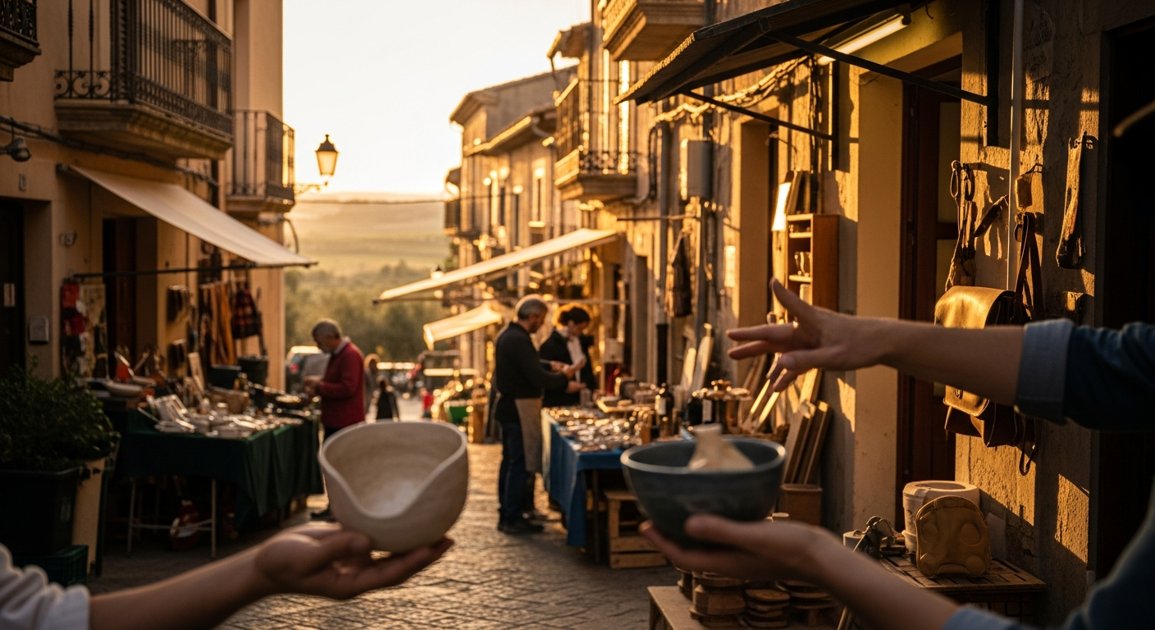
Embracing the Slow Commerce Revolution
For many expats arriving from North America or Northern Europe, the transition to Southern Europe is often heralded by visions of sun-drenched terraces and rolling vineyards. However, the most profound shift in daily life isn't the climate—it’s the commerce. Moving to France, Italy, or Spain requires a fundamental 'Artisan Commerce Pivot.' It is the process of deprogramming the 'one-stop-shop' big-box mentality and reintegrating into a hyper-local, decentralized market ecosystem where relationships are as valuable as the currency exchanged.
Deciphering the Regional Rhythms
In the Anglo-sphere, retail is designed for maximum convenience and 24/7 availability. In Southern Europe, commerce follows a human-centric rhythm. Understanding this cadence is the first step in your logistical transition.
The Market Calendar
Weekly markets (marchés, mercati, or mercados) are the heartbeat of regional supply chains. They are not merely for tourists; they are where the highest quality seasonal produce moves from farm to table. To master this, you must:
- Identify the 'Day': Every village and city quarter has a specific designated market day. Missing this window often means waiting another week for specific regional specialties.
- The Early Bird Rule: Professional chefs and savvy locals arrive at 7:00 AM. By 11:30 AM, the best selections are gone, and by 1:00 PM, the stalls are vanishing.
- Seasonal Strictness: Expect to find twelve varieties of tomatoes in July, and none in January. Embracing the 'Artisan Pivot' means learning to cook what the earth currently provides.
Navigating the Specialist Vendor Landscape
The 'Big-Box' mindset teaches us to find bread, meat, and detergent in the same aisle. The Southern European ecosystem demands the opposite. Transitioning requires identifying and frequenting specialized purveyors:
The French Specialization
In France, the Boulangerie (bread) is distinct from the Pâtisserie (pastries), though they may share a roof. The Boucherie (butcher) and Charcuterie (cured meats) are often separate disciplines. Mastering the French pivot involves learning the specific vocabulary for cuts of meat and types of flour that don't exist in supermarket chains.
The Italian Social Contract
In Italy, the Alimentari is your neighborhood lifeline. Unlike a convenience store, the owner acts as a curator. Building a relationship here is essential; being a 'cliente fisso' (regular customer) often results in better cuts of meat, reserved items, and invaluable local gossip.
The Spanish Mercado Central
Spanish life revolves around the Mercado Central. These are permanent architectural landmarks housing dozens of independent stalls. The pivot here involves 'The Order of Operations': visit the Pescadería (fishmonger) first, as the freshest catch dictates the day’s menu, then move to the Frutería.
Social Etiquette: The Unwritten Rules
Perhaps the steepest learning curve involves the social nuances of the artisan market. To avoid the 'clueless tourist' label, follow these protocols:
- Look, Don’t Touch: In many traditional markets, especially in Italy and Spain, touching the produce is a major faux pas. Point to what you want, and let the vendor select the best pieces for you.
- The Greeting is Mandatory: Entering a shop without a 'Bonjour,' 'Buongiorno,' or 'Hola' is considered dismissive. The transaction is a social exchange first and a financial one second.
- Cash is Still King: While digital payments are rising, the best artisan vendors often prefer (or only accept) cash for smaller transactions. Keep a dedicated 'market wallet' of small bills and coins.
A Step-by-Step Roadmap to Your First Month
Transitioning to a hyper-local lifestyle doesn't happen overnight. Follow this sequence to integrate seamlessly:
- Week 1: Observation. Visit the local market without the intent to buy a full week's worth of groceries. Watch how locals interact with vendors and observe who has the longest lines.
- Week 2: The Introduction. Choose one boulangerie or frutería and make it your 'home base.' Introduce yourself as a new neighbor. This small investment in social capital pays dividends in service quality.
- Week 3: Tool Acquisition. Invest in a high-quality 'caddy' (wheeled shopping bag) and reusable mesh bags. Navigating three different shops with five plastic bags is a logistical nightmare.
- Week 4: The 70/30 Rule. Aim to source 70% of your perishables from artisan vendors and only 30% from the supermarket (for household staples like cleaning supplies).
Plan Your Move with Precision
Transitioning your lifestyle to Southern Europe involves more than just finding a new home; it’s about calculating the true cost of living and understanding the logistical landscape of your new neighborhood. The NewLife.Help comparison tool can provide a personalized relocation report in seconds, comparing market accessibility, cost of living, and local amenities across France, Italy, and Spain to ensure your move is as seamless as a Saturday morning at the marché.
Start Your Free Relocation Analysis
Conclusion
The Artisan Commerce Pivot is more than a logistical change; it is a gateway to the authentic Southern European experience. By trading the sterile efficiency of big-box retail for the vibrant, seasonal, and social world of local markets, you aren't just buying food—you are participating in a centuries-old cultural tapestry. It takes patience, a bit of linguistic courage, and a sturdy shopping basket, but the rewards are found in every bite of a perfectly ripened peach and every 'hello' from your local butcher.