Surviving Winter in Canada: Essential Gear and Tips
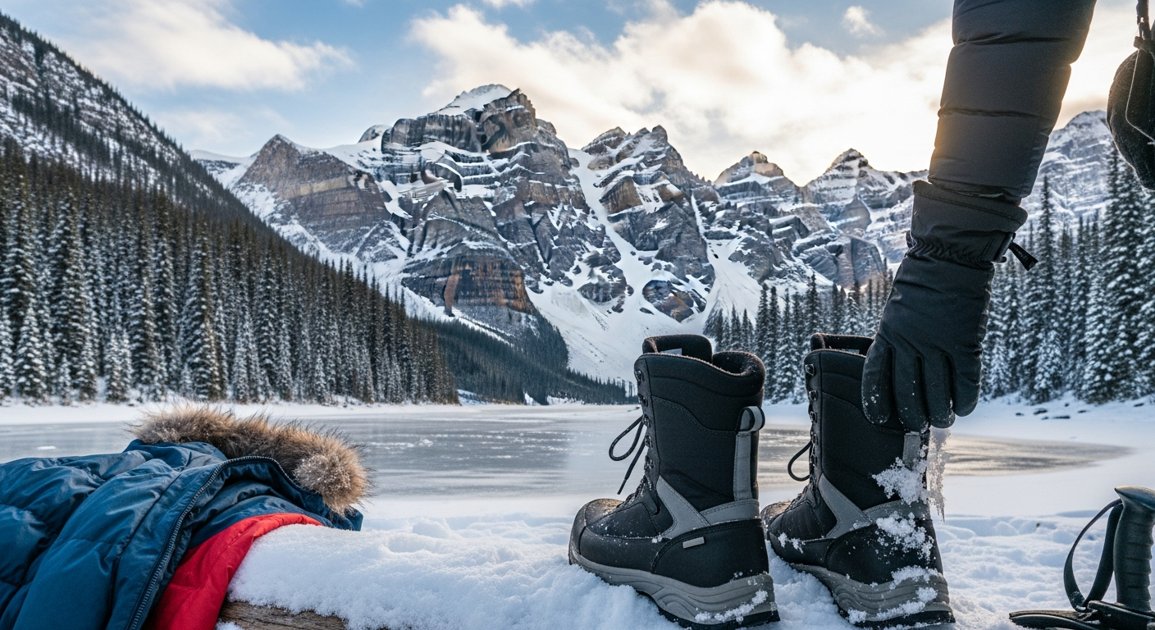
Surviving Winter in Canada: Your Ultimate Guide to Essential Gear and Thriving
Imagine a canvas of pristine white, where snowflakes dance like tiny diamonds and the crisp air invigorates your very soul. This is Canada in winter – a breathtaking spectacle that draws adventurers and new residents alike. But beyond the picture-perfect postcard scenes lies a unique set of challenges and triumphs. As an expert travel writer and a practical relocation advisor, I’m here to tell you that adapting to Canadian winter isn't just about enduring; it's about embracing. Whether you're planning a short visit to hit the slopes or a full-fledged move to start a new life, understanding climate adaptation is key. This guide will equip you with the essential gear, savvy tips, and an optimistic mindset to not just survive, but truly thrive in Canada's magnificent winter wonderland.
Embracing the Canadian Winter Wonderland
Canada's winter transforms its landscapes into something truly magical. From the vibrant ice festivals of Quebec City to the majestic frozen lakes of Banff, and the serene snowshoeing trails in Ontario's provincial parks, there's a unique beauty waiting to be discovered. It's a season of cozy evenings by the fire, exhilarating outdoor sports, and a profound sense of community as everyone navigates the frosty months together. But to truly appreciate this, you need to be prepared. Think of winter gear not as a burden, but as your passport to unlock these incredible experiences.
The Core of Climate Adaptation: Essential Winter Gear
When it comes to Canadian winter, proper layering is not just a suggestion; it's a survival strategy. The key is to create an insulating barrier that traps warm air close to your body while allowing moisture to escape. Here’s your definitive guide to assembling your winter armour:
Head-to-Toe Protection: Your Winter Armour
Your body loses a significant amount of heat through your head, hands, and feet. Investing in quality gear for these areas is paramount.
- The Outer Shell (The "Big Coat"): This is your primary defence. Look for a waterproof or water-resistant, windproof, down-filled or synthetic insulated parka. It should be long enough to cover your hips and have a hood, preferably with a fur trim (faux or real) to protect your face from wind and snow. Aim for temperature ratings down to -20°C (-4°F) or even -30°C (-22°F) for colder regions.
- Insulated Winter Pants: Essential for prolonged outdoor activities like skiing, snowboarding, or even just clearing snow. Waterproof and insulated are key. For daily wear, insulated leggings or thermal pants under regular trousers can suffice.
- Base Layers (Against the Skin): Think thermals! Merino wool or synthetic fabrics are excellent for wicking away moisture and keeping you warm. Avoid cotton, as it retains moisture and will make you feel colder.
- Mid-Layers (The Warmth Layer): Fleece jackets, wool sweaters, or down vests provide extra insulation. These can be removed if you get too warm indoors.
- Winter Boots: Non-negotiable. They must be waterproof, insulated (rated for cold temperatures, e.g., -30°C), and have good grip on the soles to prevent slips on ice. Ensure they are roomy enough for thick socks without being tight.
- Warm Socks: Wool or synthetic blend socks are best. Bring several pairs and change them if they get damp.
- Headwear: A warm, windproof toque (beanie) or a balaclava that covers your ears is crucial.
- Handwear: Mittens are generally warmer than gloves because your fingers share warmth. Look for waterproof, insulated mittens or gloves. Consider a thin liner glove inside for extra warmth and dexterity.
- Neckwear: A wool or fleece scarf, or a neck gaiter, will protect your neck and lower face from biting winds.
Beyond the Basics: Winter Essentials for Comfort and Safety
Once you have your core gear, these items will elevate your winter experience:
- Moisturizer and Lip Balm: The cold, dry air can wreak havoc on skin. Keep hydrated and moisturize regularly.
- Sunglasses: Snow glare can be intense, especially on sunny days.
- Emergency Car Kit (if driving): Jumper cables, a small shovel, extra blankets, non-perishable food, a flashlight, and a fully charged phone are critical.
- Ice Scraper and Brush: For your car windshield – an absolute must.
- Home Humidifier: Indoor heating can make the air very dry, leading to dry skin and respiratory discomfort.
Practical Tips for Thriving, Not Just Surviving
For New Arrivals & Relocators: Settling into Winter Life
Moving to Canada means integrating winter into your daily routine. Here's how to make a smooth transition:
- Understand Your Heating System: Familiarize yourself with your home's thermostat. Learn how to program it efficiently to save energy and stay warm.
- Winterize Your Home (if applicable): Check for drafts around windows and doors. Weatherstripping and heavy curtains can make a big difference.
- Winter Tires are a Must: If you own a car, switch to dedicated winter tires (also known as snow tires). They provide significantly better traction on snow and ice and are often legally mandated or highly recommended by insurance companies.
- Utilize Public Transport: Many Canadian cities have excellent public transit systems that are reliable even in heavy snow, saving you the hassle of driving and parking.
- Embrace Outdoor Activities: Don't hibernate! Learn to ski, snowboard, skate, or snowshoe. Many communities offer affordable lessons and rentals.
- Join Local Communities: Connect with neighbours, join clubs, or volunteer. Social interaction is vital for mental well-being during colder, shorter days.
- Watch for Seasonal Affective Disorder (SAD): The reduced daylight hours can affect mood. Ensure you get enough Vitamin D, consider a light therapy lamp, and stay active.
- Learn Snow Removal Basics: If you have a driveway or walkway, be prepared to shovel. Many communities have bylaws requiring snow removal within a certain timeframe.
Daily Winter Wisdom: Small Habits, Big Impact
Integrating these habits will make your Canadian winter experience more enjoyable:
- Check the Forecast Daily: Temperatures can fluctuate wildly. Dress for the current conditions, not just what you expect.
- Hydrate from Within: Drink plenty of water, even if you don't feel thirsty, to combat the dry air.
- Fuel Your Body: Warm, hearty meals like soups and stews are comforting and provide energy for staying warm.
- Master the Art of Layering: Dress in multiple thin layers rather than one thick one. This allows you to add or remove clothing as you move between indoor and outdoor environments.
- Mind Your Step: Ice can be invisible. Walk carefully and consider ice cleats for your boots if you'll be on icy surfaces frequently.
- Battery Life Beware: Cold temperatures drain phone and camera batteries faster. Keep devices close to your body.
Your Winter Relocation Checklist
Use this checklist to ensure you're fully prepared for your Canadian winter adventure or new life:
- Essential Gear:
- Waterproof, insulated winter parka (rated for cold temperatures)
- Insulated winter pants or waterproof snow pants
- Thermal base layers (tops and bottoms, non-cotton)
- Mid-layers (fleece jackets, wool sweaters)
- Waterproof, insulated winter boots with good grip
- Wool or synthetic blend socks (multiple pairs)
- Warm toque (beanie) or balaclava
- Waterproof, insulated mittens or gloves
- Scarf or neck gaiter
- Moisturizer and lip balm
- Sunglasses
- Vehicle Preparedness (if applicable):
- Winter tires installed
- Emergency car kit (jumper cables, shovel, blanket, flashlight)
- Ice scraper and brush
- Washer fluid rated for cold temperatures
- Home Preparedness:
- Understanding of heating system
- Draft stoppers/weatherstripping
- Snow shovel (if responsible for clearing)
- Home humidifier
- Personal Wellness:
- Vitamin D supplements
- Plan for indoor activities/hobbies
- Research local community events
Final Thoughts
Canada's winter is an experience unlike any other – a season of stark beauty, exhilarating activities, and a profound sense of resilience. Armed with the right gear and knowledge, you're not just preparing for cold weather; you're preparing to embrace a unique way of life. Don't let the thought of snow and ice intimidate you. Instead, see it as an opportunity for new adventures and a chance to experience a truly magical aspect of Canadian culture. By prioritizing smart layering, investing in quality essentials, and adopting a proactive mindset, you'll find yourself not just surviving, but truly thriving, creating unforgettable memories in the heart of the Canadian winter wonderland.