Slow Living is Not Lazy: Why Moving Slows Down Time and Reduces Stress
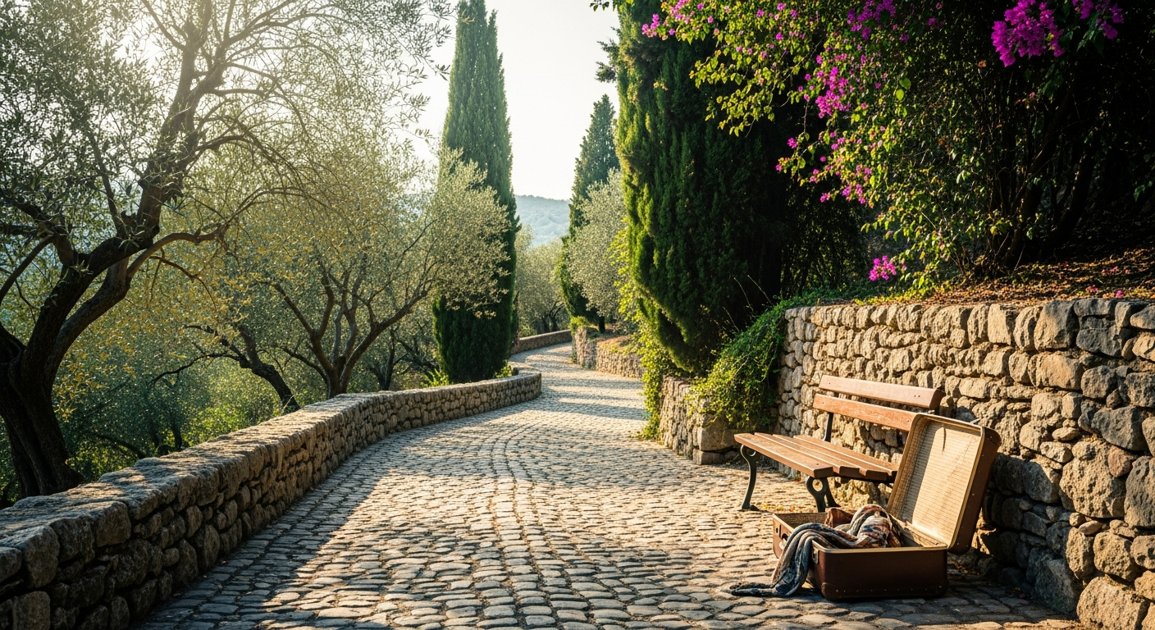
The Unhurried Adventure: Why Moving Slows Down Time and Reduces Stress
There’s a unique thrill in envisioning a new life in a new place – the scent of foreign spices, the rhythm of unfamiliar streets, the promise of a fresh start. Yet, beneath the excitement often lurks a palpable dread: the sheer logistical mountain of relocation. The endless checklists, the frantic packing, the dizzying logistics. It feels like a sprint against time, a race to settle into a new normal. But what if, counter-intuitively, this very act of uprooting yourself offers a profound opportunity to reclaim your time, reduce your stress, and truly embrace a slower, more deliberate way of living? What if moving isn't about rushing, but about finally hitting the pause button?
For too long, our modern world has equated productivity with worth, speed with success, and busyness with importance. We're caught in a relentless current, always striving for more, faster. But what if "slow living" isn't a luxury, but a necessity for our well-being? And what if the act of moving, far from being a time thief, is actually a potent catalyst for slowing down time itself?
The Relentless Pace: Why We Feel Time Slipping Away
In our hyper-connected, always-on society, time often feels like a scarce commodity. We cram our days with tasks, meetings, errands, and digital distractions, leaving little room for quiet reflection or genuine connection. This relentless pace, driven by a culture that glorifies constant achievement, doesn't just make us feel busy – it actively distorts our perception of time, making it seem to accelerate. The days blur into weeks, weeks into months, and we often find ourselves wondering where the time went, feeling perpetually behind.
This "time scarcity" mindset is a significant contributor to stress, anxiety, and even burnout. We're wired to feel guilt if we're not "doing" something productive, leading to a vicious cycle of overwork and under-rejuvenation. Our mental health pays the price, manifesting as exhaustion, irritability, and a diminished capacity for joy. Breaking free from this cycle requires a deliberate shift, and sometimes, a radical change of scenery is just what the doctor ordered.
A New Horizon: How Relocation Forces You to Hit Pause
Unpacking More Than Just Boxes: A Mental Reset
The act of moving is, by its very nature, a disruptive force. It shatters routines, dismantles habits, and forces you to confront every single possession you own. While this might sound daunting, it's also a profound opportunity for a mental reset. You can't just blindly carry on with your old ways in a new place. You're forced to declutter, prioritize, and make conscious decisions about what to bring into your new life – both physically and metaphorically.
Imagine the process: meticulously packing each item, deciding what to keep, what to donate, what to discard. This isn't just a physical task; it's an exercise in mindfulness. It forces you to engage with your past, acknowledge your present, and curate your future. This intentional slowdown, whether you're moving across town or across continents, breaks the automaticity of daily life and invites a more reflective, present-moment existence.
Embracing the Unfamiliar: The Beginner's Mindset
When you're in a new environment, everything is novel. Finding the grocery store, navigating public transport, learning a new language or local customs – these tasks, once automatic, now demand your full attention. This "beginner's mindset" is a cornerstone of slow living. It forces you to observe, to listen, to learn, and to be truly present in your surroundings. Without the shortcuts of familiarity, time itself seems to expand. A simple walk to the corner store becomes an exploration, a new coffee shop an experience, rather than just another transaction.
This deliberate engagement with the unfamiliar slows down your internal clock. You're not just rushing through life; you're actively participating in it, noticing details you might have overlooked in your previous, rushed existence. The mental energy required to adapt, paradoxically, can lead to a deeper sense of presence and a reduction in the ambient stress of autopilot living.
Beyond the Grind: Learning from Leisure-Focused Cultures
Not all cultures define success by the relentless pursuit of productivity. Many societies around the world instinctively understand that prioritizing leisure, community, and well-being leads to a richer, more fulfilling life. The mental health benefits of cultures that prioritize leisure over productivity are profound and undeniable.
Consider the Mediterranean concept of the siesta – a sacred midday break not just for sleep, but for family, food, and respite from the heat. Or the Scandinavian ideals of hygge (coziness and contentment) and lagom (just the right amount, not too much, not too little), which promote balance and appreciation for simple pleasures. In many Latin American and Southeast Asian cultures, relationships and community often take precedence over punctuality or rigid schedules, fostering stronger social bonds and a more relaxed pace of life.
These cultures demonstrate that valuing "being" over "doing" doesn't equate to laziness; it fosters resilience, creativity, and deeper human connection. When people feel less pressured to constantly perform, they experience:
- Reduced rates of burnout and stress-related illnesses.
- Stronger family and community ties.
- Increased creativity and innovative thinking due to mental space.
- A greater sense of contentment and overall life satisfaction.
- Improved physical health from less stress and more movement/rest.
Moving to such a culture, or simply adopting their principles, can be a transformative step towards mental well-being. It's an invitation to redefine what a "successful" life looks like, beyond the narrow confines of work output.
Actionable Slow: Integrating Mindfulness into Your Move
Pre-Move: Decluttering Your Life and Mind
The preparation phase for a move is your first opportunity to practice slow living. Don't view it as a mad dash; view it as a cleansing ritual.
Pre-Move Slow Living Checklist:
- Purge with Purpose: Go through your belongings room by room. Ask yourself: "Does this spark joy?" "Have I used this in the last year?" "Do I want to carry this energy into my new life?" Be ruthless and mindful.
- Digitize and Downsize: Scan important documents, photos, and sentimental papers to reduce physical clutter. This simplifies packing and ensures access wherever you are.
- Schedule "No-Task" Days: Amidst the packing chaos, intentionally block out days or half-days where you do absolutely no moving-related tasks. Rest, recharge, or simply enjoy your current environment one last time.
- Mindful Budgeting: Create a realistic budget, not just for expenses, but for your time and energy. Don't overschedule yourself.
During the Move: Conscious Transitions
The journey itself can be a source of stress, but with a slow living mindset, it can become part of the adventure.
Moving Day Mindfulness Tips:
- Allocate Extra Time: Whether driving or flying, always factor in more time than you think you'll need. Rushing is the enemy of slow.
- Enjoy the Journey: If driving, plan scenic routes, stop at local eateries, and soak in the landscapes. If flying, enjoy a book, listen to music, or simply watch the clouds.
- Unpack Slowly: Resist the urge to unpack everything in one frantic weekend. Focus on essentials for the first few days, then tackle one room at a time, allowing yourself to settle in deliberately.
- Explore Your Immediate Neighborhood: Before fully unpacking, take a walk. Find the nearest park, coffee shop, or local market. Ground yourself in your new surroundings.
Post-Move: Building a Slow Routine
Once you've arrived, the real work (and joy!) of building a slow life begins. This is where you intentionally cultivate habits that nourish your mind and soul.
Establishing Slow Living in Your New Home:
- Dedicated Discovery Time: Schedule regular blocks in your week for exploring your new city or town – without an agenda. Wander, observe, get lost, discover hidden gems.
- Connect Locally: Join a local club, volunteer, frequent independent shops, or simply strike up conversations with neighbors. Building community is vital for well-being.
- Prioritize Rest & Recreation: Actively schedule downtime, hobbies, and moments of stillness. Treat these as non-negotiable appointments.
- Set Digital Boundaries: In a new place, it's easy to retreat into screens. Consciously limit phone time and engage with your real-world environment.
- Redefine "Productivity": Shift your focus from output to impact and presence. A day spent connecting with loved ones or exploring your new park is just as "productive" as a day in the office.
Embracing the Journey, Not Just the Destination
Moving is more than just a change of address; it's an invitation to a profound shift in perspective. It offers a unique opportunity to break free from the relentless cycle of busyness, to challenge the notion that speed equals success, and to embrace the wisdom of cultures that prioritize well-being over relentless productivity. By approaching your relocation with intentionality and a willingness to slow down, you're not being lazy – you're being strategic. You're creating space for deeper connection, genuine presence, and a richer experience of life itself. So, as you plan your next great adventure, remember: the journey isn't just to a new place, but to a new, more unhurried way of being.