Safe Harbours: Finding Communities Where Kids Still Play on the Streets
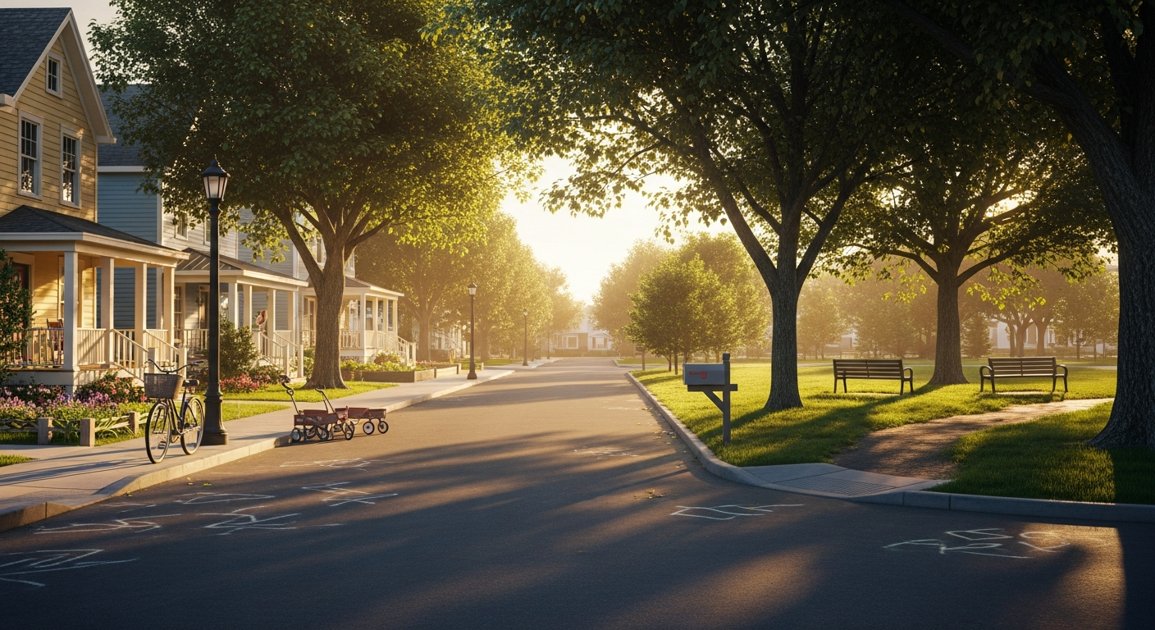
Safe Harbours: Finding Communities Where Kids Still Play on the Streets
In a world that often feels increasingly fast-paced and fragmented, there's a particular kind of yearning many of us share: the desire for a simpler time, a safer place. It’s the whisper of memory from a generation past, of sun-drenched afternoons where the cacophony of children's laughter and the rhythmic bounce of a ball were the soundtracks of summer. For families planning a move, whether across continents or just a few towns over, this isn't just nostalgia; it's a vital consideration. This isn't just about finding a new address; it's about discovering a community, a haven where trust flourishes, neighbours connect, and kids can still experience the boundless joy and independence of playing freely outdoors. Join us as we explore how to identify and settle into these precious "safe harbours," blending the romance of travel with the concrete steps of relocation.
The Echo of Laughter: Why Street Play Matters
The image of children playing unsupervised on quiet streets isn't merely a quaint postcard from the past; it's an indicator of deep-seated community health. Such environments foster independence, creativity, and essential social skills that screen time simply cannot replicate. For parents, finding a community that supports this kind of freedom is paramount, offering not just peace of mind but a profound enrichment of family life.
Beyond the Fence: Benefits of Outdoor Play
- Enhanced Social Skills: Negotiating games, resolving disputes, and collaborating with peers.
- Physical Health & Development: Running, climbing, cycling, and exploring build strong bodies and coordination.
- Risk Assessment & Resilience: Learning to navigate minor challenges and scrapes builds confidence and problem-solving abilities.
- Community Connection: Parents meeting on the street, neighbours looking out for one another – it strengthens the social fabric.
- Reduced Screen Time: A natural antidote to the digital deluge, encouraging engagement with the real world.
Spotting Your Safe Harbour: What to Look For
Identifying these elusive havens requires more than just skimming online statistics. It demands a holistic approach, looking at various facets of community life. Here’s a guide to what discerning movers should consider.
Indicators of a Kid-Friendly Community
- Low Crime Rates: While not the only factor, low rates of petty crime and serious offenses are foundational. Look for local police reports and community safety indices.
- Walkability & Pedestrian Infrastructure: Well-maintained sidewalks, bike paths, and safe crosswalks encourage outdoor activity. Are local amenities (parks, shops, schools) easily accessible on foot?
- Community Engagement: Are there active neighbourhood associations, local events, farmers' markets, or volunteer groups? A vibrant community spirit often translates to watchful neighbours.
- Green Spaces & Public Parks: Abundant, well-maintained parks, playgrounds, and open fields provide safe, designated areas for play.
- Traffic Calming Measures: Speed bumps, narrower streets, and pedestrian zones indicate a town's commitment to safety over vehicle flow.
- Visible Children & Families: The simplest indicator: do you see kids out playing? Are families strolling, cycling, and interacting in public spaces?
- Public School Quality: Strong local schools often anchor thriving family communities. Research their ratings and parent reviews.
Researching Potential Communities: A Practical Checklist
- Visit & Observe: Spend time in the neighbourhood at different times of day (weekdays, weekends, evenings).
- Talk to Locals: Strike up conversations with parents at parks, shopkeepers, and residents. Ask about safety, community feel, and kid-friendliness.
- Online Forums & Social Media: Join local community groups online to gauge sentiment and local issues.
- Property Viewings: Pay attention to the surroundings – street layout, noise levels, proximity to parks.
- Check Local Government Websites: Look for information on community programs, safety initiatives, and urban planning.
Global Gems: Where Trust Takes Root
While specific cities vary greatly, certain types of regions and countries consistently score high on safety, community trust, and family-friendliness. These are often places where social cohesion is prioritised, and infrastructure supports a life lived outdoors.
Characteristics of Trusted Communities
- Nordic Nations (e.g., small towns in Norway, Denmark, Sweden): Known for high social trust, excellent public services, and a culture that values outdoor living (friluftsliv). Children often have significant independence from a young age.
- Smaller European Towns (e.g., parts of Italy, France, Switzerland): Many villages and smaller towns, particularly those with a strong pedestrian culture and historic centres, offer tightly-knit communities where neighbours know each other and children are often seen playing in piazzas or quiet streets.
- Oceania & Canada (e.g., regional towns in New Zealand, Australia, or smaller Canadian cities): These countries often boast a strong emphasis on outdoor recreation, lower population densities in many areas, and a community-minded approach, especially outside the major metropolises.
- Certain "Green" Cities & Eco-Villages (Worldwide): Communities built with sustainable living and pedestrian access in mind naturally foster environments where children can play safely and freely.
Your Relocation Roadmap: Making the Move to a Safe Harbour
Once you’ve identified your ideal community, the practicalities of relocation come into play. This isn't just about moving boxes; it's about seamlessly integrating your family into a new way of life.
Phase 1: Pre-Move Planning (6-12 Months Out)
- Deep Research: Confirm visa requirements (if international), school enrollment processes, and healthcare systems.
- Financial Planning: Budget for moving costs, initial housing, and a buffer for unexpected expenses. Understand local cost of living.
- School & Childcare: Research and apply for schools or childcare well in advance, especially in popular areas.
- Trial Visit: If possible, spend an extended period (a few weeks) in your chosen community to experience daily life.
Phase 2: The Move & Settling In (1-3 Months Out to Arrival)
- Logistics: Arrange international movers, pet transportation, and temporary accommodation upon arrival.
- Documentation: Ensure passports, visas, birth certificates, medical records, and school transcripts are organised and accessible.
- Healthcare: Understand how to register with local doctors and dentists. Arrange necessary vaccinations.
- Banking: Set up a local bank account before or immediately upon arrival.
- Utilities & Internet: Arrange for activation in your new home.
Phase 3: Integration & Community Building (First 3-6 Months)
- Connect Locally: Join parent groups, school associations, sports clubs, or volunteer organisations.
- Explore Your Neighbourhood: Walk, cycle, and discover local parks, libraries, and community centres with your kids.
- Learn the Language (if applicable): Even basic phrases can make a huge difference in feeling connected.
- Be Open & Patient: Building new friendships and a sense of belonging takes time and effort.
Final Thoughts
The quest for a "safe harbour" where children still play on the streets is more than just a search for an address; it's a pursuit of a lifestyle, a reconnection with fundamental human values of community, trust, and freedom. While the world may seem complex, these havens do exist, often quietly thriving in corners where intentional living and neighbourly care are prioritised. By blending insightful research with an open heart, you can not only navigate the practicalities of relocation but also unlock a deeply rewarding experience for your entire family. The laughter of children, echoing through a sunlit street, awaits – a testament to a life well-chosen and a community well-found. Your journey to this idyllic future starts now; embrace it with confidence and joy.