Public Transport in Tokyo: Suica, Pasmo, and Etiquette
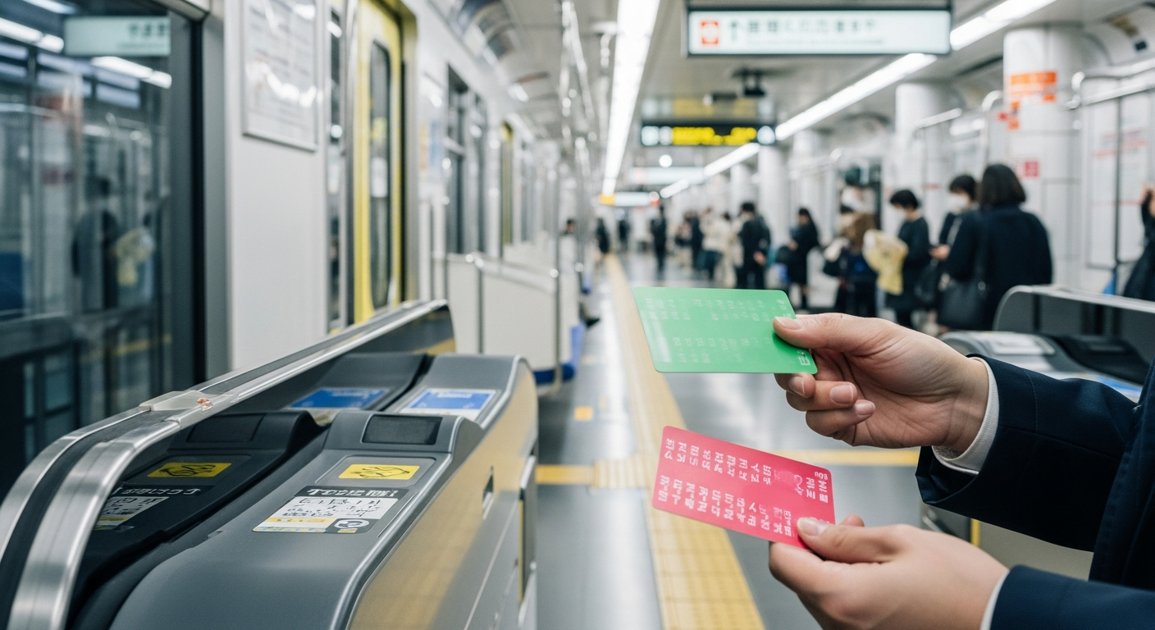
Tokyo's Pulse: Navigating the City with Suica, Pasmo, and Perfect Etiquette
Tokyo. The very name conjures images of neon-lit skyscrapers, serene temples, and bustling Shibuya crossings. Whether you're dreaming of a thrilling short-term adventure or planning to make this dynamic metropolis your new home, understanding its legendary public transport system isn't just a convenience – it's your key to unlocking the city. Forget the stress of navigating a new place; Tokyo's transit is a marvel of efficiency, punctuality, and cleanliness. But beyond the mechanics, there's an art to riding like a local, a quiet choreography of respect and consideration that makes the experience truly exceptional. Let's dive in and master the arteries of Tokyo, from your essential IC cards to the unwritten rules of the rails.
Your Essential Companions: Suica and Pasmo
Imagine gliding through ticket gates with a single tap, seamlessly transitioning between train lines, and even making purchases at convenience stores – all with one card. This isn't a futuristic fantasy; it's your daily reality with a Suica or Pasmo card.
What Are They and Why You Need Them?
Suica and Pasmo are rechargeable IC (Integrated Circuit) cards that serve as electronic wallets for public transportation. They eliminate the need to buy individual paper tickets for each journey, saving you time, hassle, and the mental math of figuring out fares. They're accepted on virtually all trains (JR lines, Tokyo Metro, Toei Subway, private railways), buses, and even some taxis across Tokyo and most major cities in Japan. Beyond transit, many convenience stores, vending machines, lockers, and even some restaurants accept them for payment, making them incredibly versatile.
Suica vs. Pasmo: What's the Difference (and Does It Matter)?
Historically, Suica was issued by JR East (Japan Railways) and Pasmo by private railway companies and subways in the Tokyo area. Today, for all practical purposes, they are interchangeable. A Suica card can be used on a Tokyo Metro line, and a Pasmo card on a JR line. Think of them as two different brands of the same indispensable product.
Getting Your Card (A Crucial Update for Today's Travelers and Movers)
Due to a global chip shortage, purchasing new physical Suica and Pasmo cards (even "My Suica" or registered Pasmo cards) has become extremely challenging, if not impossible, for new residents and even some tourists as of late 2023/early 2024. However, don't despair – viable alternatives exist!
For Short-Term Travelers: Welcome Suica and Pasmo Passport
- These are special IC cards designed for tourists, offering the same tap-and-go convenience.
- **Key Difference:** They have a limited validity period (e.g., 28 days for Welcome Suica) and usually no deposit, meaning no refund of any remaining balance.
- **Where to Buy:** Available at major airports (Narita, Haneda) and select JR stations (for Welcome Suica) or subway stations (for Pasmo Passport). Stock can be limited, so check availability upon arrival.
For Long-Term Residents and the Tech-Savvy: Mobile Suica/Pasmo
This is now the recommended and most reliable method for residents and many travelers:
- **Download the App:** Install the official "Suica" or "Pasmo" app on your smartphone (available for iOS and Android).
- **Add to Digital Wallet:** For iPhones, you can simply add a new Suica or Pasmo card directly to Apple Wallet. For Android, you'll use the Osaifu-Keitai (Mobile Wallet) function or the dedicated apps.
- **Top Up with Credit Card:** Link a credit card (Visa, Mastercard, JCB, Amex often work) to your digital wallet or app to easily top up your balance from anywhere. This eliminates the need for physical machines.
- **Advantages:** No physical card to lose, easy top-ups, convenient balance checks, and often compatible with commuter passes (see below).
- **Note:** You'll need a Japanese phone number and/or a Japanese credit card for full functionality or to register certain types of cards in some cases, but initial setup with an international credit card is often possible for basic top-ups. Check the latest requirements for your specific device and region.
Topping Up Your Card
- **Ticket Machines:** Most station ticket machines allow you to add money to your IC card. Look for the "Charge" button. Many have English language options.
- **Convenience Stores:** You can also top up at most convenience stores (7-Eleven, FamilyMart, Lawson) at the register. Just hand your card and the cash to the clerk and say "チャージお願いします" (Chāji onegai shimasu - "Charge, please").
- **Mobile App:** The easiest way for mobile users, directly from your phone.
Mastering the Art of Japanese Public Transport Etiquette
Beyond the technological marvel of the system, the true magic of Tokyo's public transport lies in the collective adherence to unwritten rules. Respecting these norms ensures a smooth, pleasant, and efficient experience for everyone.
Essential Etiquette Checklist
- Quiet is Golden: Avoid loud conversations and talking on your phone. Texting and silent gaming are acceptable. If you must talk, keep your voice to an absolute whisper.
- Queue Up Neatly: At train platforms, observe the designated lines for boarding. Allow passengers to disembark fully before attempting to board.
- Backpacks Off: During crowded times, remove your backpack and hold it in front of you or by your feet to avoid bumping others.
- Prioritize Seats: The elderly, pregnant women, people with small children, and those with disabilities have priority. Avoid sitting in "priority seats" if you are able-bodied, especially when the train is crowded.
- Stand Clear of Doors: When waiting on the platform, stand to the side of the door markers. Once inside, move into the center of the car to make space for others boarding.
- No Eating or Drinking: Generally, avoid eating or drinking on local trains and subways, especially during peak hours. Long-distance trains (like the Shinkansen) are an exception.
- Escalator Protocol: In Tokyo (Kanto region), stand on the left and walk on the right. In Osaka (Kansai region), it's the opposite (stand right, walk left). When in doubt, follow the locals!
- Mind Your Belongings: Keep your bags close and don't take up excessive space with luggage.
- No Littering: Take all your trash with you. Bins are surprisingly scarce in stations, reflecting the expectation that you'll carry your litter home.
Public Transport for the Long-Haul: Relocation Tips
For those making Tokyo their home, public transport isn't just a way to get around; it's a fundamental part of daily life. Integrating seamlessly into this rhythm will be one of your first steps to feeling like a true local.
Commuting Like a Local
- Embrace Google Maps: This will be your indispensable guide. It provides real-time train schedules, platform numbers, transfer information, and even which car to board for the quickest transfer.
- Understand Peak Hours: Between roughly 7:30 AM - 9:30 AM and 5:00 PM - 7:00 PM, trains are incredibly crowded. If your schedule allows, try to commute outside these times.
- Station Proximity is Key: When searching for housing, prioritize properties within a reasonable walk (10-15 minutes) of a train station. Access to multiple lines is a huge bonus.
- Learn Your Lines: Familiarize yourself with the key lines that serve your home, workplace/school, and frequent destinations. The JR Yamanote Line is a major loop connecting many key districts.
Commuter Passes (Teiki-ken)
If you're commuting daily between specific stations for work or school, a commuter pass (定期券 - teiki-ken) is an absolute must-have. These passes allow unlimited travel between two designated stations (and often all stations in between) for a fixed period (1, 3, or 6 months), offering significant cost savings over individual tickets.
- **How to Purchase:** You can usually buy these at ticket machines (look for "Commuter Pass" or "定期券") or at station ticket offices.
- **Link to Your IC Card:** Commuter passes are typically linked to your Suica or Pasmo card (physical or mobile).
- **Eligibility:** You'll need to specify your origin and destination stations, and sometimes provide proof of work/school for student passes.
Bicycle + Train Combo
Many Tokyoites combine cycling with train travel. They cycle to their nearest station, park their bicycle, and then take the train. This is excellent for covering the "last mile" if you live a bit further from a station.
- **Parking:** Look for designated bicycle parking lots near stations. Some are free, others require a small fee. Illegally parked bikes are quickly removed.
- **Folding Bikes:** If you have a folding bike, you can sometimes bring it on trains (in a carry bag) outside of peak hours, but rules vary by operator.
Final Thoughts
Tokyo's public transport system is more than just a network of rails and buses; it's a testament to urban efficiency, collective respect, and thoughtful design. By embracing your Suica or Pasmo (especially the mobile versions these days!) and observing the gentle rhythms of Japanese etiquette, you won't just be moving through the city – you'll be flowing with its very pulse. From your first tentative journey as a visitor to your confident daily commute as a resident, mastering Tokyo's transport will empower you to explore, connect, and truly make this incredible city your own. So, charge up your card, practice your quiet contemplation, and prepare to navigate Tokyo with the grace of a seasoned local.