Navigating Electric Vehicle Ownership Abroad: A Practical Guide to Charging, Registration, and Incentives for Expats
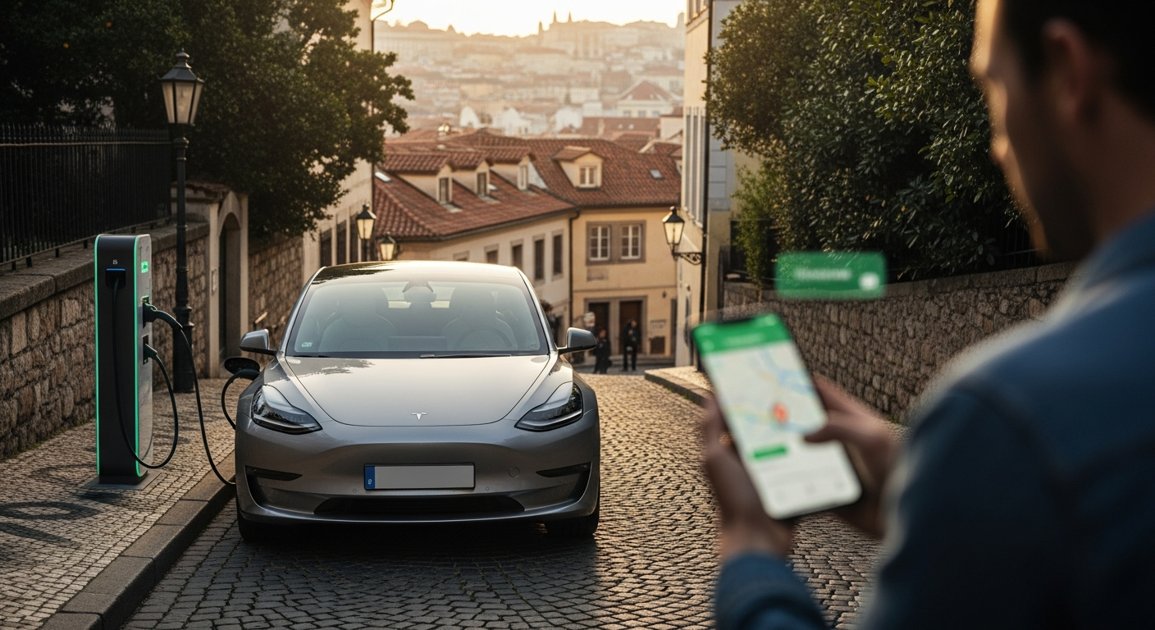
The allure of a new country often comes with dreams of adventure, cultural immersion, and perhaps, a more sustainable lifestyle. For the environmentally conscious expat, this includes the prospect of driving an Electric Vehicle (EV). But while owning an EV at home might feel second nature, bringing one (or acquiring one) to a foreign land introduces a unique set of challenges and considerations. From understanding local charging infrastructure to navigating complex registration processes and unlocking financial incentives, the journey requires careful planning.
Fear not, intrepid eco-traveler! This guide is meticulously crafted to arm you with the practical knowledge and actionable advice needed to confidently navigate EV ownership as an expat. Let's power up your relocation!
Understanding Your Destination's EV Ecosystem
Before you even think about charging cables, research is your best friend. Every country has a unique EV landscape.
Charging Infrastructure: Where Will You Plug In?
- Public Charging Networks: Familiarize yourself with the dominant networks in your new country (e.g., Ionity, Fastned, EnBW in Europe; Electrify America in the US, depending on your origin/destination). Download their apps, understand their pricing models (per kWh, per minute, subscription), and check for compatibility with your vehicle.
- Home Charging Solutions: This is often the most convenient.
- Power Compatibility: Is the voltage and frequency in your new country compatible with your vehicle's charger? (e.g., 220-240V vs. 110-120V). You may need an adapter or a new wall charger.
- Installation & Permits: Research local regulations for installing a home charging station. You might need permits from your landlord (if renting), local authorities, or even an electrician with specific certifications.
- Smart Charging: Many countries offer incentives or dynamic tariffs for charging during off-peak hours. Investigate if your energy provider offers such options.
- Workplace Charging: Inquire with your new employer if they offer EV charging facilities. This can be a significant perk.
- Adapters and Plug Types: This is CRITICAL. Europe primarily uses Type 2 (Mennekes) and CCS Combo 2 for fast charging. North America uses Type 1 (J1772) and CCS Combo 1. Japan often uses CHAdeMO. Ensure your vehicle has the correct port, or you have the necessary adapters for your target country's standard.
Grid Stability and Energy Costs
- Peak vs. Off-Peak: Understand the local electricity tariffs. Charging during off-peak hours can significantly reduce your running costs.
- Renewable Energy Mix: For the truly eco-conscious, researching the local grid's renewable energy percentage can be a factor in your decision.
Bringing Your EV or Buying Local?
This is a big decision with financial and logistical implications.
Importing Your Current EV
While emotionally appealing, this can be a bureaucratic minefield.
- Research Import Regulations:
- Duties & Taxes: Understand import duties, VAT (Value Added Tax), and other sales taxes that may apply. These can be substantial.
- Homologation & Certification: Does your vehicle meet the destination country's safety and environmental standards? This is often the biggest hurdle. You might need a Certificate of Conformity (CoC) or an individual vehicle approval.
- Customs Procedures: Familiarize yourself with the exact customs process, required documentation, and timelines.
- Shipping Logistics:
- Costs: Obtain quotes from international car shipping companies.
- Insurance: Ensure your vehicle is fully insured during transit.
- Battery Considerations: Discuss battery safety and regulations with the shipping company. Some might require a specific charge level.
- Vehicle Modifications: Depending on the country, you might need to modify headlights (driving on the opposite side of the road), speedometer (km/h vs. mph), or even charging ports.
Buying an EV Locally
Often the path of least resistance, especially for longer stays.
- Local Market Research:
- Availability & Models: What EV models are popular and readily available? Prices can vary significantly.
- Dealership Network: Assess the local service and repair network for your chosen brand.
- Second-hand Market: A robust used EV market can offer good value.
- Warranty and Servicing: Ensure any warranty will be valid in your new country. Understand service intervals and costs.
- Language Barriers: Be prepared to navigate the purchase process in the local language, or bring a trusted translator.
Registration and Legalities
Once you have your EV, making it street legal is the next hurdle.
Vehicle Registration Process
This typically involves several steps:
- Gather Required Documents:
- Proof of Ownership (bill of sale, previous registration).
- Proof of Residency (utility bills, rental agreement).
- Identification (passport, visa).
- Customs clearance papers (if imported).
- Certificate of Conformity/Homologation.
- Technical Inspection: Most countries require a mandatory technical inspection (roadworthiness test) for imported vehicles or first-time registrations.
- Local Insurance Requirements:
- Mandatory Coverage: Understand the minimum required third-party liability insurance.
- Comparing Providers: Shop around. Some insurers specialize in expat policies or offer discounts for EVs.
- No Claims Bonus: Can you transfer your 'no claims bonus' (NCB) from your home country? This can significantly reduce premiums.
Driving Licenses
- International Driving Permit (IDP): This is an essential complement to your home country's license for initial periods, often valid for up to 6-12 months.
- Local License Conversion/Acquisition: After a certain period, you will likely need to convert your foreign license to a local one or take a new driving test. Research reciprocity agreements between your home country and your new destination.
Unlocking Financial Incentives and Tax Benefits
Many governments actively promote EV adoption. Don't leave money on the table!
Government Grants and Subsidies
- Purchase Incentives: Research federal, regional, or even municipal grants, rebates, or tax breaks for buying a new or sometimes used EV.
- Home Charger Installation Grants: Many countries offer subsidies for installing a dedicated home charging point.
- Road Tax Exemptions or Reductions: EVs are often exempt from annual road tax or pay significantly reduced rates compared to internal combustion engine (ICE) vehicles.
Local Perks
- Parking Benefits: Some cities offer free or reduced-rate parking for EVs.
- Congestion Charge Exemptions: EVs are often exempt from urban congestion charges, making city driving cheaper.
- Toll Reductions: Certain toll roads may offer discounts or exemptions for electric vehicles.
Navigating EV ownership abroad, much like any expat journey, demands patience, thorough research, and adaptability. While the upfront complexities of charging infrastructure, import regulations, and local bureaucracy can seem daunting, the long-term benefits – environmental, financial, and experiential – are profoundly rewarding. By approaching this endeavor with a strategic mindset and utilizing the resources available, you'll not only embrace sustainable mobility but also deepen your connection to your new home. So, plan meticulously, ask questions, and get ready to enjoy the silent, emission-free ride of your expat EV adventure!