Moving to Lisbon: What I Wish I Knew Before Arriving
Moving to Lisbon: What I Wish I Knew Before Arriving
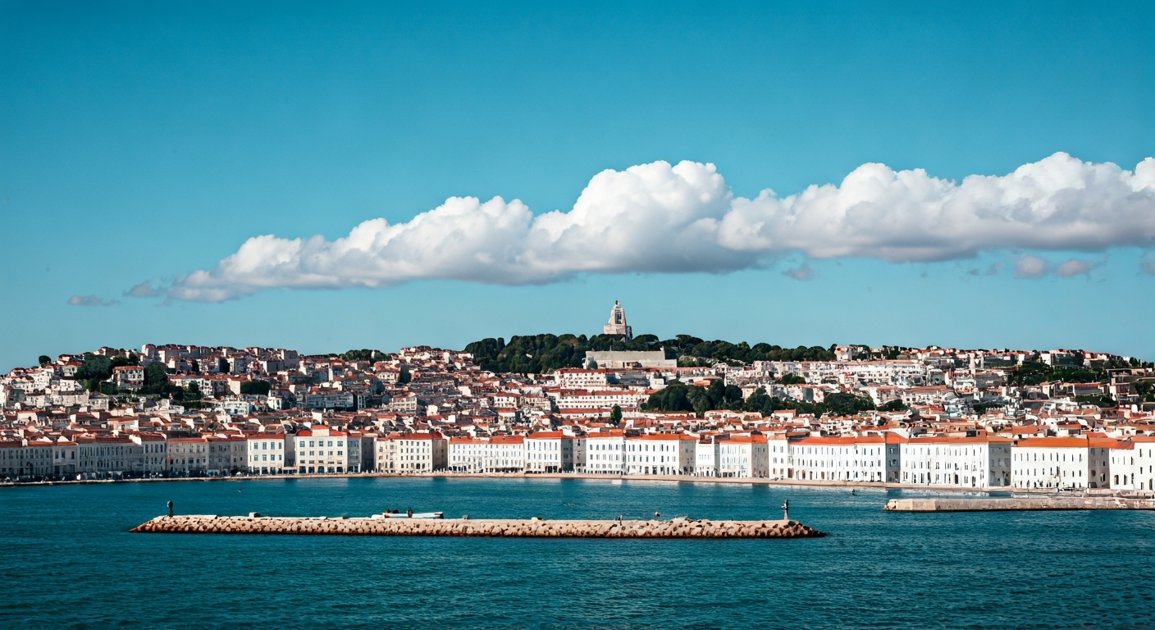
Ah, Lisbon! Just the name conjures images of sun-drenched hillsides, the mournful strains of Fado drifting from ancient alleys, and the irresistible scent of freshly baked pastéis de nata. It’s a city that steals hearts, beckons dreamers, and for many, becomes an irresistible magnet for a new life. The allure is undeniable, the promise of a vibrant, European existence tantalizing. But beneath the Instagram-perfect facades and romantic notions lies the intricate reality of relocation. As someone who’s navigated this journey, I’m here to tell you that while Lisbon absolutely delivers on its magic, there are a few practical insights I wish I’d known before packing my bags. Consider this your friendly, no-nonsense guide to turning your Lisbon dream into a beautifully managed reality.
Lisbon's Enchanting Allure: More Than Just Postcards
The City of Seven Hills (and How They’ll Test You)
You’ve seen the photos – the iconic yellow tram winding its way up a steep incline, panoramic views from historic miradouros. What the pictures don’t always convey is the sheer, exhilarating, and sometimes exhausting reality of Lisbon’s topography. This city is a workout! Every errand can feel like a hike, and those charming cobblestone streets, while beautiful, are not kind to delicate footwear.
- Actionable Advice:
- Invest in good shoes: Seriously. Sneakers, sturdy sandals, or comfortable boots are your best friends. Leave the stilettos for special occasions when you’re taking an Uber.
- Embrace public transport: The metro is efficient, and the buses and trams (including the tourist-favorite #28) are invaluable for conquering those hills. Get a Viva Viagem card immediately and load it with ‘Zapping’ credit.
- Learn to love the lifts and funiculars: Elevador de Santa Justa, Lavra, Glória, Bica – these aren't just tourist attractions; they're essential commuter tools!
Embracing the Pace of Life (and the Bureaucracy)
Lisbon operates on its own rhythm, often referred to as 'mañana' in other cultures, but here it's simply... Portuguese. This relaxed approach to time can be incredibly refreshing when you’re sipping a coffee, but it can be a source of immense frustration when dealing with official processes. Patience is not just a virtue here; it's a survival skill.
- Insight: Don't expect things to happen quickly. From setting up utilities to processing residency documents, assume it will take longer than you anticipate.
- Practical Tip: Always bring extra copies of documents, even if not explicitly requested. A polite "obrigado/a" and a smile go a long way. Learning a few basic Portuguese phrases will also smooth many interactions, even if you’re not fluent.
Navigating the Practicalities: Before and After You Land
Visa & Residency: Your Golden Ticket (or Gauntlet)
For non-EU citizens, securing your right to live and work in Portugal is the absolute first hurdle. It’s a complex, document-heavy process that requires meticulous planning and often, a hefty dose of perseverance. Don't underestimate it.
- Actionable Advice:
- Research visa types thoroughly: The D7 (Passive Income) and Digital Nomad visas are popular options. Understand their requirements inside out.
- Start early: Gather all necessary documents (criminal record checks, bank statements, proof of accommodation, health insurance) well in advance. Some documents may need apostille stamps or translations.
- Consider professional help: Many expats hire lawyers or relocation specialists to navigate the NIF (tax number), NISS (social security), and SEF (immigration) processes. It’s an investment that can save you significant time and stress.
Housing Hunt: Expect a Climb (Literally and Figuratively)
Lisbon’s popularity has driven up rental prices significantly, especially in central areas. The market is competitive, and finding an affordable, well-located apartment can be a challenge. What you see online might not always be what you get in person.
- Practical Tips:
- Start your search before arriving: Secure temporary accommodation for your first few weeks or months. This gives you time to explore neighborhoods.
- Be ready to act fast: Good properties don't stay on the market long. Have your documents (NIF, proof of funds, references) ready.
- Understand typical requirements: Landlords often ask for a guarantor (fiador) or several months' rent as a deposit.
- Explore beyond the tourist hotspots:
- Popular for expats: Príncipe Real, Campo de Ourique, Estrela, Santos.
- More local/family-friendly: Arroios, Areeiro, Alvalade.
- Up-and-coming/cheaper: Amadora, Seixal (across the river), Almada.
- Be wary of scams: Never send money for a property you haven't seen in person or through a trusted agent.
The Cost of Living: Beyond the €1 Espresso
While that espresso and a pastel de nata might be delightfully cheap, many other costs of living can quickly add up, especially for newcomers. Don't assume everything will be cheaper than your home country.
- Budgeting Insights:
- Rent: This will likely be your largest expense, often comparable to or even higher than other major European cities for good quality apartments.
- Groceries: Local produce, fish, and wine are affordable and excellent. Imported goods, specialty items, and packaged foods can be surprisingly expensive. Embrace local markets!
- Utilities: Electricity can be high, especially with older, less insulated buildings relying on electric heaters/AC. Water and gas are generally reasonable.
- Transport: Excellent value with the Viva Viagem card. A monthly pass is very affordable.
- Dining Out: A 'prato do dia' (dish of the day) at a local tasca offers incredible value for lunch. Tourist-heavy areas are much pricier.
- Healthcare: The public health system (SNS) is good but can have long wait times. Private health insurance is recommended for prompt care.
Cultural Immersion & Daily Life: Beyond the Tourist Trail
Language: More Than Just "Olá"
While many young Portuguese speak English, especially in tourist areas, making an effort to learn Portuguese will dramatically enhance your experience and ease your integration. It opens doors to deeper connections and a richer understanding of the culture.
- Practical Tips:
- Start with basics: "Olá" (hello), "Obrigado/a" (thank you), "Por favor" (please), "Desculpe" (excuse me/sorry) will get you far.
- Use language apps: Duolingo, Memrise, and similar apps are great for daily practice.
- Consider classes: Many language schools offer intensive or part-time courses.
- Don't be afraid to make mistakes: Portuguese people generally appreciate the effort.
The Portuguese People: Warmth and Reserve
Portuguese culture values politeness, family, and tradition. You’ll find people to be generally friendly and welcoming, but sometimes with an initial reserve. Once you break through, you'll discover immense warmth and generosity.
- Cultural Insights:
- Greetings: Two kisses on the cheek (right then left) are common for women with men/women. Handshakes for men.
- Punctuality: While meetings might start on time, social gatherings often have a more relaxed approach to punctuality.
- Family first: Family ties are incredibly strong.
- Coffee culture: Coffee is a ritual. Learn the different types (bica, galão, meia de leite) and enjoy the pause.
Your Pre-Arrival & First Weeks Essentials Checklist
Pre-Arrival (Ideally 3-6 months before)
- ✅ Research and apply for your appropriate visa/residency permit.
- ✅ Obtain your NIF (Número de Identificação Fiscal) – this can often be done remotely through an agent.
- ✅ Secure comprehensive health insurance valid in Portugal.
- ✅ Begin researching neighborhoods and temporary accommodation.
- ✅ Prepare all necessary documents (original + copies): passport, birth certificate, marriage certificate, criminal record checks, bank statements, proof of income, education diplomas, etc. (Check specific visa requirements!).
- ✅ Arrange for any required apostille stamps or certified translations of documents.
- ✅ Start learning basic European Portuguese phrases.
- ✅ Inform your bank of your travel plans to avoid card issues.
- ✅ Download useful apps: Google Maps, public transport apps (e.g., Lisbon Metro), translation apps.
First Weeks in Lisbon
- ✅ Purchase a local SIM card (e.g., Vodafone, MEO, NOS).
- ✅ Get a Viva Viagem card for public transport and load it with 'Zapping' credit or a monthly pass.
- ✅ Open a Portuguese bank account (requires NIF, proof of address).
- ✅ Apply for your NISS (Número de Identificação de Segurança Social – social security number) if working.
- ✅ Register your address with the local Junta de Freguesia (parish council) for an Atestado de Residência.
- ✅ Set up utilities (electricity, water, gas, internet) once you have a permanent address.
- ✅ Explore your local neighborhood, find grocery stores (Pingo Doce, Continente, Lidl), and pharmacies.
- ✅ Join expat groups online (Facebook, Meetup) to connect with others.
- ✅ Schedule your SEF appointment for residency registration (if not done remotely).
Final Thoughts: Your Lisbon Story Awaits
Moving to Lisbon is an adventure, a leap of faith, and a profound cultural experience all rolled into one. There will be moments of pure magic – a sunset over the Tagus, the taste of a perfect seafood platter, the friendly wave from a local shopkeeper. And there will be moments of frustration – the slow bureaucracy, the apartment hunt that feels endless, the language barrier. What I wish I knew most of all before arriving was simply to embrace it all with an open heart and a practical mindset. Lisbon is a city that rewards patience, curiosity, and a willingness to adapt. Come prepared, stay flexible, and allow yourself to be captivated by its enduring charm. Your unique Lisbon story is waiting to unfold, and with a little foresight, it promises to be an unforgettable one.