Moving to Dubai: Practical Advice Beyond the Hype
Moving to Dubai: Practical Advice Beyond the Hype
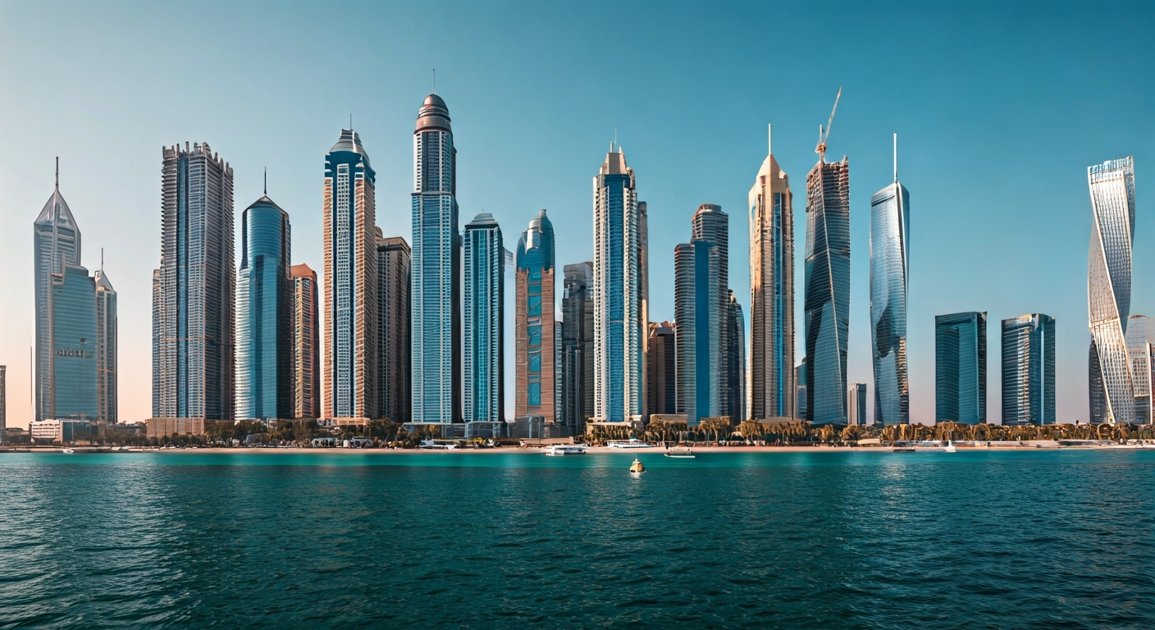
The shimmering skyscrapers, the endless desert dunes, the promise of a tax-free future – Dubai often glitters in our imaginations as a city of unparalleled opportunity and luxury. It's a destination that calls to the adventurous spirit, a crossroads where East meets West in a spectacular display of innovation and culture. But beneath the polished veneer of glamour and awe-inspiring architecture lies a dynamic, multicultural city waiting to be called home. If you're contemplating this exciting leap, this guide will take you beyond the postcards and social media reels, offering the practical, actionable advice you need to turn your Dubai dream into a smooth, successful reality.
The Dubai Dream: More Than Just Skylines
While the city's iconic landmarks like the Burj Khalifa and the Palm Jumeirah are undoubtedly breathtaking, life in Dubai offers a rich tapestry of experiences that extend far beyond its famous sights. It's a city built on ambition, welcoming millions from across the globe, creating a vibrant melting pot of cultures, cuisines, and communities.
A Glimpse of Life: Beyond the Tourist Traps
Imagine your weekends not just at pristine beaches or world-class malls, but exploring the bustling souks of Old Dubai, savouring authentic Emirati cuisine, or joining a diverse expat community for desert safaris and cultural festivals. Dubai boasts an exceptionally high quality of life, renowned for its safety, cleanliness, and excellent infrastructure. Families benefit from a vast array of international schools and activities, while individuals find endless opportunities for personal and professional growth. The "dream" isn't just about what you see; it's about the lifestyle, the people, and the possibilities.
Navigating the Practicalities: Your Relocation Roadmap
Relocating to a new country, especially one as unique as the UAE, requires meticulous planning. Here’s a breakdown of the key practicalities to consider.
Visa & Residency: Your Golden Ticket
Securing the correct visa is your first and most critical step. The UAE offers several residency pathways, primarily tied to employment, investment, or family sponsorship.
- Employment Visa: The most common route. Your employer typically sponsors your visa and residency permit. This process involves medical tests, security checks, and obtaining an Emirates ID.
- Investor Visa: For those establishing a business or investing in property.
- Freelance Visa: A newer option gaining popularity, allowing individuals to work independently.
- Family Sponsorship: If you're joining a family member already residing in Dubai.
Actionable Tip: Do not travel to Dubai with the intention of looking for a job on a tourist visa if your plan is to stay long-term. Secure an offer and get your entry permit arranged *before* you fly. This saves a lot of hassle and potential complications.
Finding Your Home: From High-Rise to Villa
Dubai's rental market is diverse, offering everything from sleek studio apartments to sprawling villas. Understanding the market is key.
- Key Areas: Popular expat areas include Downtown Dubai, Dubai Marina, Jumeirah Lake Towers (JLT), Business Bay, Arabian Ranches, and Emirates Hills, each offering different amenities and lifestyles.
- Rental Payments: Traditionally, rent is paid via post-dated cheques (2-4 cheques per year), though monthly payment options are becoming more common. Be prepared for a security deposit (usually 5%) and agency fees (around 5%).
- Ejari: Your rental contract (tenancy agreement) must be registered with Ejari, the government-mandated system that protects the rights of tenants and landlords.
- Utilities: DEWA (Dubai Electricity and Water Authority) connects your utilities. You’ll need to pay a refundable deposit.
Actionable Tip: Start your housing search early, preferably online, to get a feel for prices and areas. Consider short-term serviced apartments for your first few weeks to allow time for on-the-ground viewing before committing to a long-term lease.
The Job Market: Unlocking Opportunities
Dubai's economy is diversified, with strong sectors in finance, trade, logistics, tourism, real estate, and technology. English is the primary business language.
- Networking: Crucial for finding opportunities. Utilize platforms like LinkedIn, attend industry events, and connect with expat groups.
- CV Tailoring: Ensure your CV is professional, concise, and highlights achievements relevant to the UAE market. A professional headshot is often included.
- Salary & Benefits: Understand that salaries are typically tax-free. Your package might include housing allowance, transport allowance, health insurance, and annual flight tickets. Negotiate these aspects carefully.
Actionable Tip: Research companies that align with your skills and values. Reach out to recruiters specializing in the UAE market. Be persistent and proactive in your job search.
Financial Foundations: Banking & Budgeting
Managing your finances in a new country can be daunting, but Dubai’s banking system is efficient.
- Opening a Bank Account: Requires your Emirates ID, passport, and a No Objection Certificate (NOC) from your employer.
- Cost of Living: Can be high, especially for rent in prime areas. However, utilities, transport, and groceries can be managed with careful budgeting. Public transport is affordable, and petrol is relatively cheap.
Budgeting Checklist:
- Rent & Ejari fees
- DEWA deposits & monthly bills
- Internet & mobile phone plans
- Groceries & dining out
- Transportation (car ownership/public transport)
- Health insurance (often provided by employer)
- School fees (if applicable)
- Leisure & entertainment
- Remittances home
Actionable Tip: Create a detailed budget before you move. Factor in initial setup costs which can be substantial (deposits, agency fees, furniture). Many people find that while rent is high, the absence of income tax can offset this.
Family Life & Education: Settling In Together
For families, Dubai offers a secure and enriching environment, though education is a significant consideration.
- Schools: An extensive choice of international curricula (British, American, IB, Indian) are available. Fees are high and rise annually, so budget accordingly. Apply well in advance as popular schools have waiting lists.
- Healthcare: Excellent private healthcare facilities. Health insurance is mandatory and typically provided by employers.
- Community: Numerous expat groups and community centres cater to various interests and nationalities, making it easy to connect and settle in.
Actionable Tip: If moving with children, research schools *before* you arrive. Understand the application process, fees, and term dates. Many families factor school location heavily into their choice of residential area.
Getting Around: Mastering Mobility
Dubai offers various transport options, from world-class public transport to private vehicles.
- Public Transport: The Dubai Metro is efficient and extensive. Buses and RTA taxis are also readily available and reasonably priced.
- Driving: You can drive on your home country's license for a limited period, but you'll eventually need to convert it to a UAE license. Car ownership is common, and petrol is inexpensive.
Actionable Tip: Plan your commute. Living near your workplace or a Metro station can significantly cut down on travel time and costs.
Essential Pre-Move Checklist
Here’s a concise checklist to ensure you cover your bases before departure:
- Documents:
- Valid passport (at least 6 months validity)
- Original educational certificates (attested by relevant authorities)
- Marriage and birth certificates (attested, if applicable)
- Driving license (international permit if planning to drive immediately)
- Medical records & prescriptions (enough for a few months)
- Copies of all essential documents (digital & physical)
- Financials:
- Emergency fund (3-6 months’ living expenses)
- Credit cards for initial expenses
- Inform your bank of your move
- Logistics:
- Book temporary accommodation (first 2-4 weeks)
- Arrange international shipping (if applicable) or plan what to pack
- Forward mail, cancel subscriptions
- Research:
- Understand UAE culture and local laws
- Research potential neighborhoods and schools
- Connect with expat groups online
Your First Few Weeks: Hitting the Ground Running
Once you land, there's a flurry of activity to get officially settled.
- Emirates ID: Attend your biometrics appointment and collect your Emirates ID – it’s your key identity document.
- Bank Account: Finalize opening your bank account.
- DEWA & Internet: Get your utilities connected.
- Mobile Plan: Purchase a local SIM card and set up a mobile plan.
- Explore: Get to know your local area, grocery stores, and essential services.
- Network: Attend social events, join clubs, and connect with new colleagues to build your support system.
Final Thoughts
Moving to Dubai is an exhilarating journey, filled with the promise of new experiences, professional growth, and a unique lifestyle. While the city certainly lives up to its glamorous reputation, a successful relocation hinges on pragmatic planning and a clear understanding of what life beyond the hype truly entails. By blending inspiration with actionable advice, you can navigate the practicalities with confidence, allowing you to fully embrace the vibrant tapestry that is Dubai. Pack your bags, prepare your documents, and get ready to write your next chapter in one of the world's most dynamic cities – a chapter where dreams are not just built, but lived.