Moving to Amsterdam: The Ultimate Expat Guide 2026
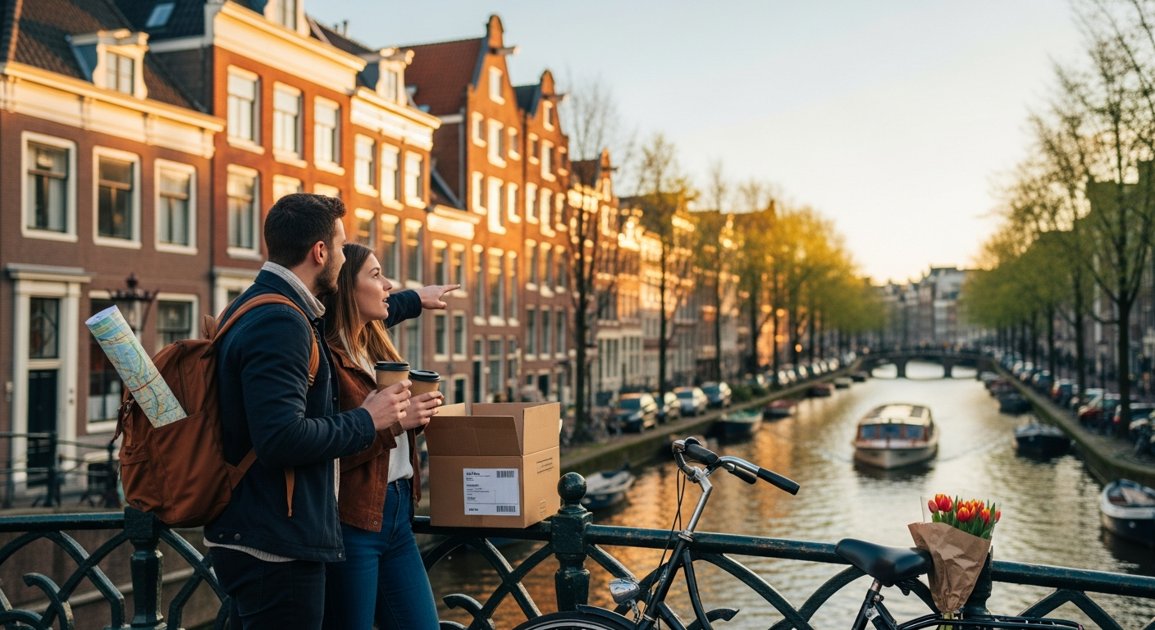
A Captivating Introduction to Moving to Amsterdam: The Ultimate Expat Guide 2026
Imagine the gentle chime of bicycle bells, the reflections of charming gabled houses dancing on placid canals, and the vibrant buzz of a city that effortlessly blends historic grandeur with innovative modernity. This is Amsterdam – a city that sparks wanderlust and promises a life less ordinary. For many, the dream of calling this European gem home is a powerful one, filled with visions of cozy cafés, world-class museums, and a refreshing work-life balance.
But transitioning from a dream to reality involves more than just booking a flight. Relocating to a new country, especially one as unique and sought-after as the Netherlands, requires meticulous planning, an adventurous spirit, and a touch of local savvy. Whether you're a seasoned globetrotter or taking your first leap into expat life, this ultimate guide for 2026 is designed to be your compass, navigating you through the exciting – and sometimes challenging – journey of moving to Amsterdam. We'll blend the inspiration that drew you here with the practical, actionable advice you need to not just survive, but truly thrive in your new Dutch adventure.
Why Amsterdam? The Allure of the Dam City
Amsterdam consistently ranks high in quality of life, innovation, and international-mindedness. Its compact size belies a global outlook, attracting professionals, artists, and families from every corner of the world. Expect a city that embraces sustainability, boasts an exceptional public transport system, and offers a rich cultural tapestry from its Golden Age masterpieces to its cutting-edge design scene. The English proficiency is incredibly high, making initial integration smoother, but the warmth of the Dutch community truly shines when you make an effort to connect.
Before You Pack: The Essential Pre-Move Checklist
The success of your relocation hinges on thorough preparation. Tackle these crucial steps before you even think about packing your stroopwafels.
Visa & Immigration: Your Gateway to the Netherlands
This is your absolute first priority. The Netherlands has a structured immigration system. Understanding which visa applies to you is paramount.
- Highly Skilled Migrant Visa: The most common route for non-EU/EEA citizens with a job offer from a recognized sponsor.
- EU Blue Card: Similar to the highly skilled migrant visa, but with slightly different criteria and offers more mobility within the EU.
- Startup Visa: For innovative entrepreneurs looking to establish a new business with the support of a facilitator.
- Family Reunion Visa: For partners or family members joining a legal resident.
- Study Visa: If you're coming to pursue higher education.
Actionable Tip: Always consult the official website of the Immigration and Naturalisation Service (IND). Requirements and regulations can change, so 2026 information should be verified directly from the source.
Housing Hunt: Finding Your Dutch Home
Amsterdam's housing market is notoriously competitive and expensive. Start your search early and be prepared for a fast-paced process.
- Platforms: Funda.nl is the primary Dutch housing portal. Also check Expatica, Pararius, and local Facebook groups.
- Neighborhoods: Research areas that fit your lifestyle and budget. Popular expat neighborhoods include De Pijp, Jordaan, Oud-Zuid, and Westerpark. For more space or affordability, consider areas slightly outside the city center like Amstelveen or Haarlem.
- Temporary Accommodation: Many expats book an AirBnB or serviced apartment for their first few weeks to allow time for in-person viewings.
- Registration: Once you secure housing, you MUST register your address with the municipality (gemeente) within five days of arrival. This is crucial for obtaining your BSN.
Insight: Be wary of scams. Never pay large deposits or rent before viewing the property or signing a contract. Use reputable agents.
Financial Foundations: Budgeting and Banking
The cost of living in Amsterdam is high, especially for housing. A realistic budget is essential.
- Budgeting: Factor in rent, utilities, health insurance, groceries, transportation, and leisure. Websites like Numbeo can provide cost comparisons.
- Bank Account: You'll need a Dutch bank account (e.g., ING, ABN AMRO, Rabobank) to receive your salary, pay bills, and for everyday transactions. This usually requires your BSN. Many Dutch transactions are done via iDeal, a local online payment system.
- 30% Ruling: If you qualify as a highly skilled migrant, you might be eligible for the 30% ruling, a significant tax advantage that allows 30% of your gross salary to be tax-free for up to five years. Check eligibility criteria!
Healthcare in Holland: Navigating the System
Health insurance is mandatory for all residents in the Netherlands.
- Basic Package (Basisverzekering): You must take out a basic health insurance policy within four months of registering with the municipality.
- Insurers: Major providers include Zilveren Kruis, CZ, and Menzis. Compare plans and prices.
- GP (Huisarts): Register with a local General Practitioner (huisarts) upon arrival. They are your first point of contact for all medical issues and refer you to specialists if needed.
- 'Eigen Risico': Be aware of the 'own risk' (eigen risico) excess, which is an annual amount you pay towards certain healthcare costs before your insurance kicks in.
Settling In: Your First Weeks and Beyond
Once you've arrived, a few administrative steps will officially make you part of the Dutch system.
The BSN & DigiD: Your Dutch Identity
- BSN (Burgerservicenummer): This is your social security number, absolutely essential for everything from employment to opening a bank account and accessing healthcare. You receive it when you register your address with the municipality.
- DigiD (Digitale Identiteit): Your digital ID for interacting with Dutch government agencies online (taxes, healthcare, pensions). You can apply for it online after receiving your BSN.
Actionable Tip: Book your municipality appointment for BSN registration as soon as possible, as waiting times can be long.
Mastering Dutch Transportation: Bikes, Trams, & Trains
Get ready to embrace the Dutch way of getting around!
- Bikes: Cycling is a way of life. Invest in a good bike (new or second-hand) and a sturdy lock. Learn the traffic rules and hand signals.
- OV-chipkaart: This smart card is essential for all public transport (trams, buses, metro, trains). You can load credit or buy a subscription.
- NS (Dutch Railways): The train network is excellent for exploring other cities. Consider a subscription if you travel frequently.
Language & Culture: Embracing the Dutch Way
While English is widely spoken, learning Dutch can significantly enhance your experience.
- Language Schools: Enroll in a language course (e.g., Volksuniversiteit, private schools) to speed up your integration.
- Directness: Dutch communication is known for its directness. Don't take it personally; it's a cultural trait focused on efficiency and honesty.
- Gezelligheid: Embrace this untranslatable concept of coziness, conviviality, and comfort.
- Work-Life Balance: The Dutch prioritize a healthy work-life balance, with standard 36-40 hour work weeks and good parental leave policies.
Work & Career: Thriving in the Dutch Market
Amsterdam is a hub for innovation and boasts a strong job market in various sectors.
- Key Industries: Tech, finance, creative industries, logistics, life sciences, and sustainable energy.
- Networking: Utilize LinkedIn, expat networking events, and industry meetups.
- Job Boards: Indeed, LinkedIn, Nationale Vacaturebank, Monsterboard, and specific expat job sites.
Education for Families: Schools and Childcare
If you're moving with children, understanding the education system is vital.
- International Schools: Offer curricula like IB or British curriculum but are expensive and often have waiting lists.
- Dutch Public Schools: High quality and free (with small voluntary contributions). Children usually integrate well, especially if starting young, and become fluent in Dutch quickly.
- Childcare (Kinderopvang/BSO): Daycare for younger children (kinderopvang) and after-school care (buitenschoolse opvang or BSO) are common. Subsidies may be available.
Experiencing Amsterdam: Beyond the Relocation
Once the practicalities are sorted, it's time to immerse yourself in the magic of your new home.
Top Must-Do Experiences in Amsterdam 2026
Don't just live here; experience it!
- Canal Cruise: See the city from its most iconic perspective.
- Museumplein Marvels: Explore the Rijksmuseum, Van Gogh Museum, and Stedelijk Museum.
- Anne Frank House: A poignant and essential visit (book well in advance!).
- Vondelpark Relaxation: Enjoy a picnic, a walk, or a performance in Amsterdam's most famous park.
- Jordaan District Stroll: Wander through charming streets, discover hidden courtyards, and enjoy a traditional 'bruin café'.
- Taste Dutch Delights: Try stroopwafels, bitterballen, herring, and a hearty stamppot.
- Explore Local Markets: Albert Cuyp Markt for food and goods, Bloemenmarkt for flowers.
Day Trips from Amsterdam: Exploring the Netherlands
The Netherlands is small and easy to navigate by train, offering endless opportunities for exploration.
- Utrecht: A charming, smaller version of Amsterdam with its own canals and vibrant student life.
- Haarlem: A beautiful historic city with great shopping and Frans Hals Museum.
- The Hague (Den Haag): Home to the Dutch government, international courts, and the famous Mauritshuis.
- Rotterdam: A hub of modern architecture and innovation.
- Zaanse Schans: Iconic windmills, wooden houses, and traditional crafts just a short train ride away.
- Keukenhof Gardens: (Seasonal - spring) Witness the breathtaking tulip fields.
Practical Relocation Advice: A Quick-Reference Checklist
Keep this handy as you plan your move:
- Secure your visa/residence permit.
- Research and secure temporary or permanent housing.
- Obtain health insurance quotes and select a provider.
- Arrange international shipping or minimalist packing.
- Book your flight and initial temporary accommodation.
- Gather all essential documents (passport, birth certificates, marriage certificates, academic degrees, professional references) – translate and legalize if required.
- Inform your current bank of your move and check international transaction fees.
- Set up mail forwarding.
- Upon arrival: Register with the Gemeente (municipality) for your BSN.
- Open a Dutch bank account.
- Register with a local GP (huisarts).
- Apply for your DigiD.
- Purchase an OV-chipkaart and a bike.
- Start exploring language courses or cultural integration programs.
- Connect with expat communities online and in person.
Final Thoughts: Your Amsterdam Adventure Awaits
Moving to Amsterdam in 2026 is more than just changing your address; it's embarking on an enriching chapter of life. The journey may present its quirks – from navigating bureaucratic processes to mastering the art of cycling in the rain – but the rewards are immense. You'll gain a vibrant international community, a city steeped in history and forward-thinking innovation, and a lifestyle that champions balance and well-being. Armed with this guide and an open mind, you're not just relocating; you're stepping into an adventure. Amsterdam is ready to welcome you with open arms and charming canals. Veel succes!