Managing Finances as an Expat: Best Multi-Currency Bank Accounts
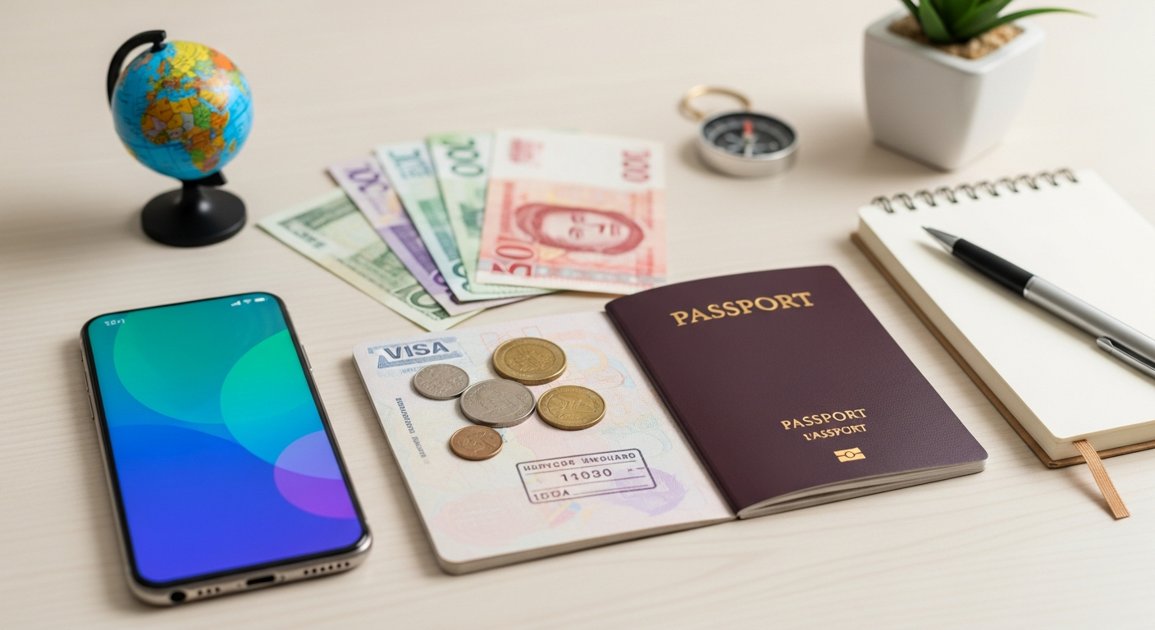
Your Global Adventure Awaits: Mastering Expat Finances with Multi-Currency Accounts
The call of a new horizon is irresistible. Whether you're dreaming of sipping espresso in Rome, navigating the bustling markets of Bangkok, or launching a career in London, the expat life promises adventure, growth, and unforgettable experiences. But amidst the excitement of passport stamps and new cultures, there's a crucial, often overlooked, foundation for a truly smooth transition: robust financial planning. Juggling different currencies, battling exorbitant exchange rates, and getting hit with hidden fees can quickly turn a dream into a nightmare. This is where multi-currency bank accounts become your ultimate travel companion, offering a seamless and cost-effective way to manage your money across borders.
The Expat Financial Landscape: Why Multi-Currency Matters
Moving abroad means stepping into a new financial reality. Your home bank, while familiar, often isn't equipped for international living. You might encounter:
- Steep International Transfer Fees: Sending money home or receiving it can cost a fortune.
- Unfavorable Exchange Rates: Banks often offer rates far from the true mid-market rate, quietly taking a cut.
- ATM Withdrawal Charges: Every time you need local cash, you're paying for the privilege.
- Difficulty Managing Multiple Currencies: Tracking spending and saving across different monetary systems can be a headache.
A multi-currency account solves these problems by allowing you to hold, send, and receive money in various currencies, often with local bank details, as if you were a local. It's not just a convenience; it's a financial superpower for the modern nomad.
Key Features to Look for in a Multi-Currency Account
Not all multi-currency accounts are created equal. As you research your options, keep these critical features in mind:
Low or No Fees
This is paramount. Scrutinize monthly maintenance fees, international transfer costs, and ATM withdrawal charges. Many digital providers offer free basic accounts, which can be a game-changer for your budget.
Favorable Exchange Rates
Look for providers that offer the mid-market rate – the true exchange rate you see on Google – or very close to it, with transparent, low markups. This alone can save you hundreds, if not thousands, over time.
Multiple Currency Support & Local Bank Details
How many currencies can you hold? Does the account offer local bank details (e.g., a UK sort code and account number, a Euro IBAN, US routing and account numbers)? This is essential for receiving payments like salaries or rent refunds directly, avoiding international transfer fees entirely.
Ease of Use & App Functionality
A user-friendly app makes managing your money simple, even when you're on the go. Look for features like instant transaction notifications, budgeting tools, easy currency conversion, and quick international transfers.
Security & Regulation
Ensure the provider is properly regulated in the jurisdictions they operate (e.g., by the FCA in the UK, FinCEN in the US). Check if your funds are protected by schemes like FSCS (UK) or FDIC (US) – though many digital providers are e-money institutions, not full banks, and offer different protection mechanisms.
Top Contenders: A Deep Dive into Multi-Currency Solutions
Let's explore some of the most popular and highly-rated multi-currency providers favored by expats:
Wise (formerly TransferWise): The Expat Favorite for Transfers and Holding
Overview: Wise built its reputation on transparent, low-cost international money transfers at the real mid-market exchange rate. Their multi-currency account (often called the "Wise Account" or "Borderless Account") allows you to hold money in over 50 currencies and get local bank details for up to 10 currencies (including USD, EUR, GBP, AUD, NZD, CAD, HUF, SGD, TRY, RON). It comes with a debit Mastercard for spending worldwide.
- Pros:
- Industry-leading exchange rates (mid-market).
- Low, transparent transfer fees.
- Local bank details for receiving payments directly.
- User-friendly app and fast transfers.
- Widely accepted debit card.
- Considerations:
- Not a full bank; funds are safeguarded, not FSCS/FDIC protected.
- Free ATM withdrawals are limited; fees apply after a certain threshold.
- Does not offer credit cards or loans.
Revolut: The All-in-One Digital Bank for Global Lifestyles
Overview: Revolut positions itself as a digital alternative to traditional banks, offering a comprehensive suite of financial tools. Beyond multi-currency accounts (holding 30+ currencies) and excellent exchange rates, they provide budgeting features, cryptocurrency exchange, stock trading, and even travel insurance with their paid plans. You get a physical and virtual debit card, and local bank details for GBP and EUR (via an IBAN).
- Pros:
- Excellent exchange rates (mid-market on weekdays).
- Comprehensive budgeting and analytics tools.
- Access to cryptocurrency and stock trading.
- Various plans (Standard, Premium, Metal, Ultra) offering different perks (e.g., higher ATM limits, travel insurance).
- Instant notifications and sleek app design.
- Considerations:
- Weekend exchange rate markups.
- Free ATM withdrawals and other features are tiered by plan.
- Customer support can be slower for non-premium users.
- Less widespread local bank details compared to Wise.
N26: Europe's Mobile Bank (where available)
Overview: Primarily focused on the Eurozone, N26 offers a fully digital banking experience with a German IBAN. It's a full bank (with deposit protection up to €100,000 under the German Deposit Protection Scheme) and provides a multi-currency debit Mastercard. It's excellent if your primary expat destination is within the Eurozone, offering a seamless local banking solution.
- Pros:
- Full European banking license and deposit protection.
- Free basic account with no monthly fees.
- User-friendly mobile app with budgeting features.
- Good for Eurozone residents and travelers.
- Considerations:
- Geographic limitations (mainly EU countries).
- Less global currency support compared to Wise or Revolut.
- ATM withdrawal limits.
Traditional Banks with Expat Offerings (e.g., HSBC Expat, Citi Global)
Overview: For those with higher net worth or complex financial needs, traditional banks like HSBC Expat or Citibank offer dedicated expat accounts. These often come with personal relationship managers, global transfer services, and a broader range of banking products (mortgages, investments). However, they typically require significant minimum balances and come with higher fees.
- Pros:
- Full banking services and deposit protection.
- Dedicated expat support.
- Often good for high net worth individuals with global assets.
- Considerations:
- High minimum balance requirements.
- Higher fees for transfers and services.
- Less competitive exchange rates than digital alternatives.
- Potentially slower, less intuitive digital platforms.
Practical Strategies for Managing Your Expat Finances
The "Stacking" Approach: Don't Put All Your Eggs in One Basket
The smartest approach for many expats is to combine accounts:
- Primary Multi-Currency Account (e.g., Wise/Revolut): For everyday spending, receiving your salary (if you can use local details), and international transfers.
- Local Bank Account (if applicable): For local direct debits, paying bills, and as a backup. This might be N26 if you're in the Eurozone, or a traditional bank in your new country.
- Home Country Account (minimal): Keep a small amount for recurring payments back home (e.g., student loans, subscriptions) and as an emergency fallback.
Automate & Budget Relentlessly
Use the budgeting features offered by your chosen accounts (Revolut is excellent here) or a separate budgeting app. Automate bill payments and savings transfers. Knowing exactly where your money goes is empowering, especially when dealing with different currencies and cost-of-living changes.
Emergency Fund in the Right Currency
Maintain an easily accessible emergency fund. Consider keeping a portion in the local currency of your new country and another portion in a major global currency (like USD or EUR) in your multi-currency account, for ultimate flexibility.
Your Expat Financial Checklist
Before you pack your bags, ensure you've ticked these financial boxes:
- Research and Select Multi-Currency Account(s): Compare Wise, Revolut, N26, etc., based on your destination and needs.
- Apply and Verify: Start the application process early, as verification can sometimes take time.
- Order Debit Cards: Request physical cards for all chosen accounts and ensure they arrive before you depart.
- Understand Fees and Limits: Be clear on ATM withdrawal limits, transfer fees, and any monthly charges.
- Inform Home Bank: Let your existing bank know you'll be using your cards abroad to avoid fraud flags.
- Set Up Budgeting Tools: Integrate your accounts with a budgeting app or use built-in features.
- Plan for Initial Cash Needs: Have some local currency for your arrival (e.g., airport transfers, first meal).
- Have a Backup Plan: Carry a second debit/credit card from a different provider, just in case.
- Research Local Banking: Understand if you'll need a traditional local bank account once you arrive and what the requirements are.
Final Thoughts
Embracing life as an expat is an extraordinary journey filled with discovery, challenge, and immense personal growth. By proactively taking control of your finances with smart tools like multi-currency bank accounts, you eliminate a major source of stress, allowing you to fully immerse yourself in your new surroundings. With Wise, Revolut, N26, or a combination of these powerful solutions, you're not just managing money; you're investing in peace of mind, freedom, and the ability to truly thrive in your global adventure. Go forth, explore, and let your finances seamlessly support every step of your incredible expat story!