Making Local Friends When You Don’t Speak the Language
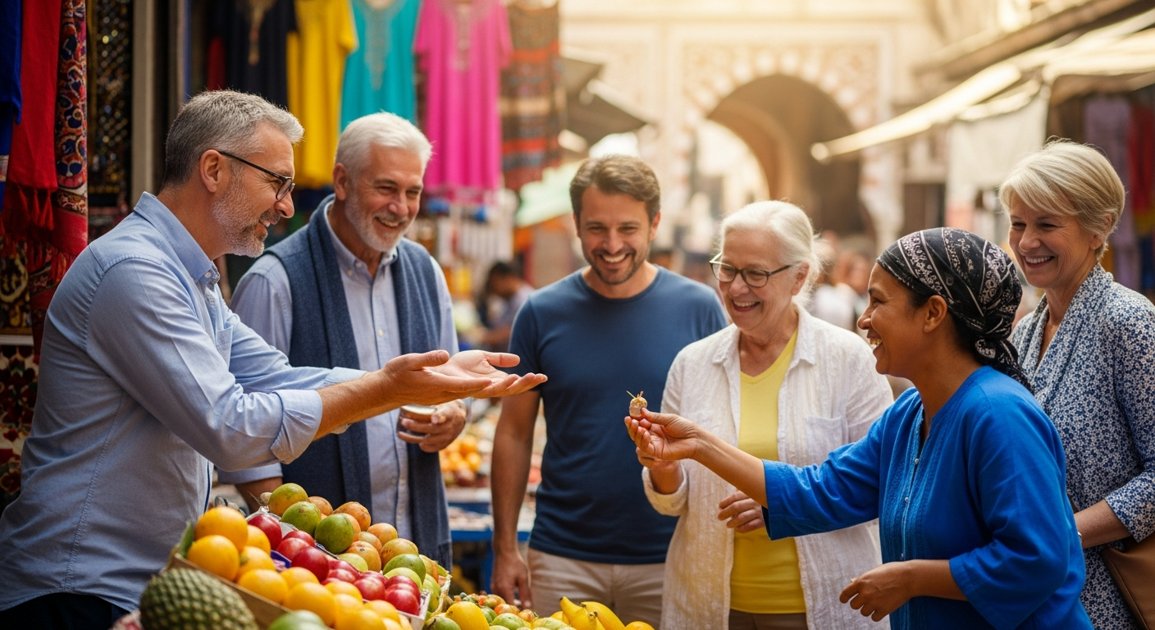
The Universal Language of Connection: Making Friends When You Don’t Speak the Local Tongue
There's an undeniable allure to new horizons – the scent of unfamiliar spices, the melody of a foreign tongue, the promise of adventures etched into cobblestone streets. For the traveler, it's a thrill; for the prospective mover, it's the beginning of a new chapter. But amidst the excitement of a new country, a common concern often surfaces: how do you truly connect, how do you build a community, how do you make local friends when the very words you speak might not be understood?
Fear not, intrepid explorer and hopeful expat! As both a seasoned traveler and a practical relocation advisor, I'm here to tell you that language, while a powerful tool, is rarely an insurmountable barrier to genuine human connection. The desire to belong, to share, and to laugh transcends dictionaries. Let's unlock the secrets to forging meaningful friendships, one smile, one gesture, one shared experience at a time.
Beyond Words: The Art of Non-Verbal Communication and Essential Phrases
Before you even open a phrasebook, remember that a significant portion of our communication is non-verbal. Mastering this "universal language" is your first and most powerful tool.
More Than Words: Actions Speak Louder Than Pronouns
Your body language, facial expressions, and demeanor can convey warmth, openness, and friendliness long before a single word is exchanged. Think of yourself as a walking ambassador of good vibes!
- The Power of a Smile: A genuine smile is universally understood and incredibly disarming. It signals approachability and good intent.
- Open Body Language: Avoid crossed arms or turning away. Face people, make eye contact (respecting local cultural norms, of course), and maintain a relaxed posture.
- Gestures and Miming: Don't be shy! If you need to convey "where is the bathroom?" or "this is delicious," a little acting can go a long way and often sparks a shared laugh.
- Active Listening: Even if you don't understand the words, show you're engaged. Nod, make eye contact, and offer encouraging sounds like "ah," "hmm," or "oh."
- Patience and Persistence: Be prepared for misunderstandings and don't get discouraged. A little extra effort and a good sense of humor can turn a communication hurdle into a memorable moment.
Learn the Essentials: Small Steps, Big Impact
While you don't need to be fluent overnight, learning a few key phrases in the local language shows respect, effort, and a willingness to engage. Locals almost always appreciate the attempt, however clumsy!
- Greetings: "Hello," "Good morning/afternoon/evening."
- Politeness: "Please," "Thank you," "Excuse me/Pardon me."
- Basic Questions: "How much?" "Where is...?" "Can you help me?" (even if you just point after asking)
- Expressing Appreciation: "This is delicious," "I like this."
- Introducing Yourself: "My name is [Your Name]," "I'm from [Your Country]."
Actionable Tip: Download a reliable translation app (like Google Translate) and a language learning app (like Duolingo or Babbel) before you go. Practice these essential phrases daily, even if just for 15 minutes. Write them down phonetically in a small notebook you carry everywhere.
Where to Find Your Tribe: Strategic Socializing for Connection
Knowing how to communicate is one thing; finding opportunities to do so is another. Proximity and shared interests are your best friends in this journey.
Local Hangouts: Beyond the Tourist Trail
To meet locals, you need to go where locals go. Step away from the main tourist attractions and immerse yourself in daily life.
- Cafes and Bakeries: Become a regular at a local cafe. The baristas and other regulars will start to recognize you. A simple "hello" or "thank you" can evolve into more.
- Local Markets: These are vibrant hubs of community interaction. Engage with vendors, sample local produce, and practice your basic phrases.
- Parks and Public Spaces: If you have children, playgrounds are universal meeting points for parents. Even without kids, sitting in a park offers opportunities for casual observation and potential interaction.
- Community Centers & Libraries: These often host free or low-cost events, classes, and groups that attract a diverse local crowd.
- Religious Institutions: If you practice a faith, attending local services can be a welcoming way to meet like-minded individuals and find community.
Shared Interests: The Universal Connector
Hobbies, sports, and learning are powerful bridges that transcend linguistic differences. When you're both focused on an activity, the language barrier often recedes.
- Join a Class: Cooking classes, art workshops, pottery, dance lessons – these are fantastic for meeting people. The activity itself provides a common focus, and interaction is often task-based.
- Sports Clubs & Fitness Groups: Join a local gym, a running club, a cycling group, or a yoga studio. Shared physical activity naturally fosters camaraderie.
- Volunteer Work: Giving back to the local community is a profound way to meet kind-hearted locals who share your values. Many organizations will welcome non-native speakers, especially for manual tasks or roles where your native language might even be an asset.
- Language Exchange Groups: Look for groups where locals want to practice your language in exchange for you practicing theirs. Apps like HelloTalk or Tandem facilitate this, often leading to in-person meetups.
- Cultural Events & Festivals: Attend local festivals, concerts, and public celebrations. These joyful events are perfect for striking up casual conversations and soaking in the local atmosphere.
Relocation Advisor Tip: Before you move, research local groups and activities online. Facebook groups for expats in your target city, Meetup.com, and local community websites are excellent resources. Even if you can't join immediately, having a list of potential activities will give you a head start.
Building Deeper Bonds: Patience, Persistence, and Openness
Making acquaintances is one thing; fostering true friendships takes time, effort, and a willingness to be vulnerable.
Embrace Awkwardness and Be Persistent
There will be awkward silences, misunderstandings, and moments of frustration. This is normal. Don't let these deter you.
- Don't Take it Personally: If a conversation doesn't flow, it's rarely about you. The other person might be shy, busy, or equally intimidated by the language barrier.
- Keep Showing Up: Consistency is key. Keep going to that cafe, that class, that park. Familiarity breeds comfort and eventually, connection.
- Ask Open-Ended Questions (with a Translation App): Instead of "yes/no" questions, try to ask things that invite more explanation, even if you need to use your phone to translate the answers.
- Offer Help: A simple gesture like holding a door, helping someone with groceries, or offering a tissue can open a small window for connection.
The Universal Language of Hospitality: Give and Take
Different cultures express hospitality in various ways, but the underlying sentiment of welcome is universal. Be prepared to both offer and accept it.
- Accept Invitations: If you're invited for coffee, a meal, or a local event, make every effort to go. These are golden opportunities for deeper connection.
- Bring a Small Gift: If invited to someone's home, it's often polite to bring a small, culturally appropriate gift (e.g., flowers, a pastry, or something from your home country).
- Offer to Share: Offer to bring a dish to a potluck, share a treat from your homeland, or simply offer to help with chores.
Your Friendship Forging Toolkit: What to Bring and What to Be
To successfully navigate the social landscape of your new home, arm yourself with these essentials:
- A Phrasebook or Language App: With core greetings, questions, and polite phrases.
- An Open Mind & a Big Smile: Your most effective communication tools.
- Research & Enthusiasm: Knowledge of local customs and a genuine eagerness to learn.
- Patience & Persistence: Friendship takes time, especially across language barriers.
- A Sense of Humor: For navigating inevitable misunderstandings.
- Small, Thoughtful Gifts: For invitations or gestures of goodwill.
- Willingness to Step Outside Your Comfort Zone: Growth happens there!
- An Invitation: Don't wait to be asked; offer to get coffee, go for a walk, or share a meal.
Final Thoughts: The Rich Tapestry of Global Friendship
Relocating or traveling to a country where you don't speak the language can feel like stepping into a silent film, but it doesn't have to be a lonely one. By embracing non-verbal cues, making a genuine effort to learn basic phrases, actively seeking out local interactions, and showing consistent warmth and openness, you'll discover that the human desire for connection transcends linguistic divides. These friendships, forged in the beautiful challenge of cross-cultural communication, are often the most rewarding, adding a vibrant, unforgettable layer to your journey. So, pack your bags, download your apps, and most importantly, bring your biggest smile – your new friends are waiting!