Living in Berlin: Real Costs and Everyday Life
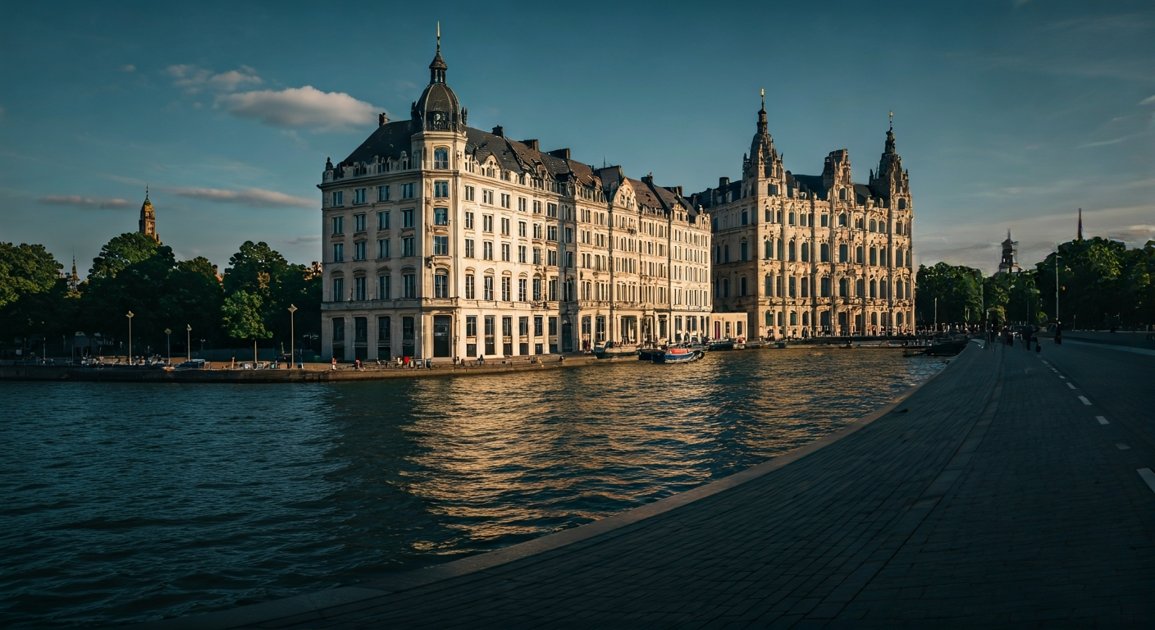
Welcome to Berlin: The Call of the Spree
Imagine a city where history whispers from every cobblestone, where cutting-edge art collides with communist-era architecture, and where innovation dances hand-in-hand with an unapologetically gritty charm. That city is Berlin. It's a place that beckons dreamers, creatives, and entrepreneurs alike, promising a vibrant life rich in culture, opportunity, and endless discovery. But as enchanting as the idea of living in Berlin sounds, making the leap from dream to reality requires more than just wanderlust; it demands practical planning, a clear understanding of daily life, and, crucially, a solid grip on the real costs involved. As your expert guide, I'm here to blend the inspiration with the actionable, helping you navigate the exciting, yet sometimes complex, journey of making Berlin your new home.
Beyond the Brandenburg Gate: Unpacking Berlin's Appeal
Berlin isn't just a city; it's a feeling. It's a place of constant evolution, resilience, and boundless energy. For both short-term visitors and aspiring long-term residents, its allure is undeniable.
The Pulse of a Global City
From the iconic Brandenburg Gate and the remnants of the Berlin Wall at East Side Gallery to the world-class museums of Museum Island and the sprawling green oasis of Tiergarten, Berlin offers an intoxicating mix of the monumental and the intimate. Its nightlife is legendary, its art scene avant-garde, and its culinary landscape a global fusion. It’s a city that embraces diversity, freedom, and a laid-back attitude that's surprisingly rare for a capital.
Why Berlin? More Than Just a Tourist Spot
Beyond the tourist trails, Berlin is a magnet for those seeking a different kind of life. It boasts a thriving tech and startup scene, offering numerous career opportunities, especially for English speakers. The international community is vast and welcoming, making it easier to integrate even as you learn German. Life here feels less rushed, more authentic, and often, more affordable than in many other major European capitals, though this is shifting. It’s a place where you can truly carve out your own niche, whether you're a student, a young professional, a family, or looking for a change of pace.
The Nitty-Gritty: Real Costs of Living in Berlin
Let's peel back the layers and talk numbers. While Berlin is often considered more budget-friendly than Munich or Hamburg, understanding the actual costs is vital for a smooth transition. These figures are estimates and can vary based on lifestyle, district, and current economic conditions.
Accommodation: Finding Your Kiez
Rent will likely be your biggest monthly expense. Berlin's housing market is competitive and has seen significant price increases over the last decade. Finding a flat can be a challenge, requiring patience and perseverance.
- Shared Flat (WG - Wohngemeinschaft) Room: €400 - €700 per month (cold rent - Kaltmiete, excluding utilities)
- 1-Bedroom Apartment (30-50 sqm): €800 - €1,300 per month (Kaltmiete). Prices vary wildly by district (Kiez) – Mitte, Prenzlauer Berg, Charlottenburg are generally more expensive than Neukölln, Wedding, or parts of Marzahn.
- 2-Bedroom Apartment (60-80 sqm): €1,200 - €2,000+ per month (Kaltmiete).
- Utilities (Nebenkosten): Expect to pay an additional €150 - €300 per month for heating, water, garbage collection, and sometimes electricity, depending on the building and consumption.
- Deposit (Kaution): Typically 3 months' cold rent, payable upfront. This is a significant initial cost.
Pro-Tip: Start your search well in advance. Websites like Immobilienscout24.de, WG-Gesucht.de, and Facebook groups ("Berlin Apartments," "Flats in Berlin") are good starting points. Be prepared with all necessary documents (proof of income, Schufa credit report, previous landlord references).
Transportation: Navigating the BVG Network
Berlin boasts an excellent public transport system (BVG) with U-Bahn (subway), S-Bahn (city train), trams, and buses that run 24/7 on weekends.
- Single Ticket (AB Zone): €3.20
- Monthly Pass (AB Zone): ~€91. If you're eligible for the Deutschlandticket (Germany Ticket), it costs €49/month and is valid on all local and regional public transport nationwide.
- Bike: Many Berliners cycle. A decent used bike can cost €100-€300.
Food & Groceries: From Supermarket to Street Food
Grocery prices are generally reasonable, especially at discount supermarkets like Lidl and Aldi. Eating out can range from budget-friendly to high-end.
- Weekly Groceries: €50 - €80 per person for cooking at home.
- Döner Kebab/Currywurst: €4 - €8 (an essential Berlin experience!).
- Mid-range Restaurant Meal: €15 - €30 per person (without drinks).
- Coffee/Pastry: €3 - €7.
- Beer (0.5L at a bar): €3.50 - €5.
Utilities & Internet: Staying Connected
Beyond rent-included Nebenkosten, you'll need to factor in these separately.
- Electricity: €40 - €80 per month (for a single person/couple, highly usage-dependent).
- Internet (Broadband): €30 - €50 per month.
- Mobile Phone Plan: €10 - €30 per month (various providers like Telekom, Vodafone, O2, Congstar).
- Broadcasting Fee (Rundfunkbeitrag): Mandatory for every household, currently €18.36 per month.
Healthcare & Insurance: A Non-Negotiable
Germany has an excellent healthcare system, and health insurance is mandatory for all residents.
- Public Health Insurance: Around 14-16% of your gross income, split between you and your employer. For students or freelancers, it can be €120 - €200+ per month.
- Private Health Insurance: Can be cheaper for young, healthy individuals with higher incomes, but decisions here have long-term implications.
Leisure & Entertainment: Berlin on a Budget (or not)
Berlin offers a wealth of activities, many of which can be enjoyed cheaply or for free.
- Museums: Many are free on certain days or for specific age groups. Regular entry: €8 - €15.
- Clubs/Bars: Entry €10 - €25 (clubs), drinks vary.
- Cinema: €10 - €15.
- Gym Membership: €20 - €60 per month.
- Parks & Lakes: Free and abundant!
Total Estimated Monthly Costs (Excluding Rent/Deposit): For a single person living modestly, expect around €600 - €900 per month for groceries, transport, utilities, insurance, and some leisure. Add your rent on top of this. So, a realistic total monthly budget could range from €1,200 to €2,500+, depending heavily on your accommodation and lifestyle.
Everyday Life: Settling into the Berlin Rhythm
Beyond the financial planning, understanding the nuances of daily life will help you feel at home quicker.
Bureaucracy Bootcamp: Your First Steps
German bureaucracy can be intimidating, but it's manageable with patience and preparation.
- Anmeldung (Registration of Residence): Your absolute first step after finding a permanent address. Essential for everything else. Book an appointment online well in advance!
- Bank Account: Open a German bank account (e.g., N26, Commerzbank, Sparkasse) after Anmeldung.
- Tax ID (Steuer-ID): Automatically sent to your registered address after Anmeldung. You need this for employment.
- Health Insurance: Arrange this as soon as you arrive and before starting work.
Insight: Always bring all relevant documents, copies, and a German speaker if you're not confident in the language. Appointments (Termin) are crucial for most official dealings.
Language Learning: German Beyond "Danke Schön"
While many Berliners, especially in international circles, speak English, learning German is invaluable for truly integrating, navigating daily life, and career progression. Even basic German will open doors and earn you respect.
- Resources: Volkshochschule (VHS) offers affordable courses, Goethe-Institut for intensive options, private language schools, online platforms (Duolingo, Babbel), and language tandem partners.
Work-Life Balance: The Berlin Way
German work culture values efficiency and clear boundaries. The workweek is typically 38-40 hours, with a strong emphasis on holidays (often 25-30 days per year) and maintaining a healthy work-life balance. After work, people genuinely switch off.
Community & Social Life: Finding Your Tribe
Berlin is incredibly diverse, making it easy to find like-minded people. Embrace the local Kiez culture, join expat groups on Meetup or Facebook, explore sports clubs, or volunteer. The city's many parks, cafés, and cultural events provide endless opportunities to connect.
Your Berlin Relocation Checklist
To ensure a smooth move, here’s a condensed checklist:
Pre-Arrival (3-6 Months Out)
- Visa/Residence Permit: Research and apply if you're not an EU/EEA/Swiss citizen.
- Job Search: Start applying and networking.
- Accommodation Research: Get familiar with districts and rent prices.
- Budget Planning: Create a realistic budget, including initial setup costs.
- Document Collection: Passport, birth certificate, marriage certificate, diplomas, professional references, any existing credit reports (translated into German if possible).
- Health Insurance Research: Understand your options.
- Preliminary German Lessons: Learn basic phrases.
Upon Arrival (First 2-4 Weeks)
- Temporary Accommodation: Book for your first few weeks.
- Anmeldung: Register your address at the Bürgeramt.
- Bank Account: Open a German bank account.
- Health Insurance: Finalize your German health insurance.
- Mobile Phone & Internet: Get local SIM and arrange internet for your flat.
- Flat Search: Intensive search for long-term accommodation.
- Tax ID (Steuer-ID): Expect it by post.
Settling In (First 3 Months)
- Explore Your Kiez: Get to know your neighborhood.
- German Language Course: Enroll in a course.
- Social Integration: Join clubs, groups, meetups.
- Financial Management: Track your spending, adjust your budget.
- Job Search/Integration: Settle into your new role or continue the search.
Final Thoughts: Your Berlin Story Awaits
Living in Berlin is an adventure, a unique blend of historical gravitas and contemporary cool. It demands adaptability, a sense of humor for the occasional bureaucratic hurdle, and an open mind. While the dream of Berlin is compelling, the reality requires thorough planning and a clear understanding of its costs and rhythms. By arming yourself with this practical knowledge, you’re not just moving to a new city; you’re preparing to truly live it. Berlin offers an unparalleled opportunity to forge a new path, embrace a vibrant culture, and write your own exciting chapter. So, pack your bags, prepare your documents, and get ready to discover the endless possibilities that await you in Germany's captivating capital. Your Berlin story is just beginning.