Life in Copenhagen: Culture, Cost, and Climate
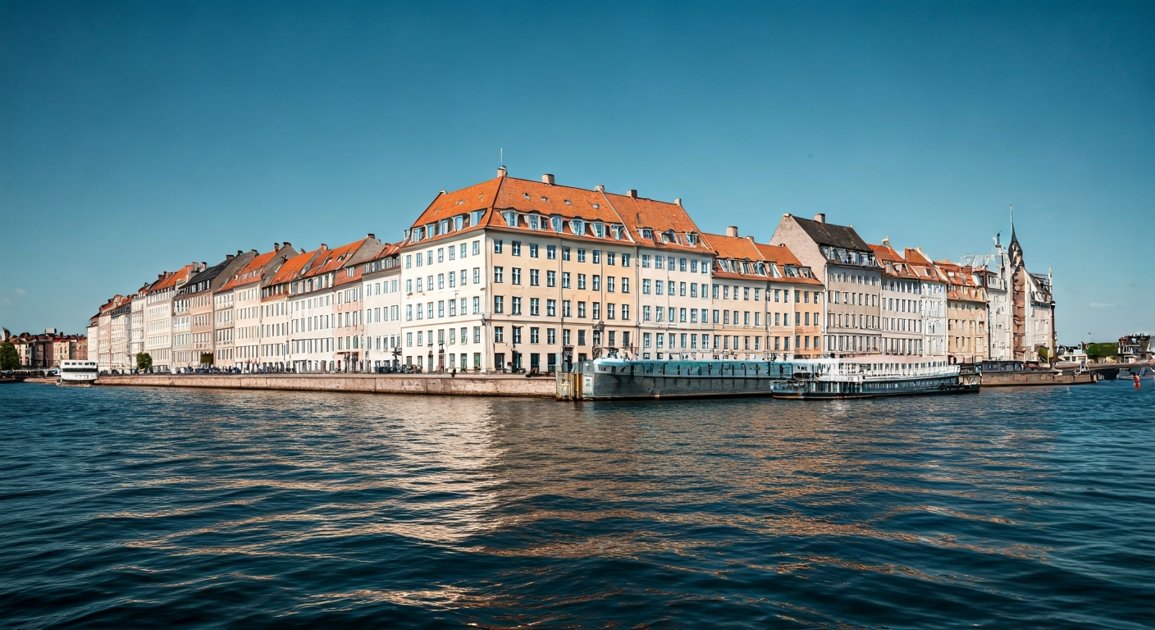
Life in Copenhagen: Culture, Cost, and Climate – Your Danish Adventure Awaits
Imagine a city where bicycles outnumber cars, where historic spires meet modern design, and where the concept of 'hygge' is a way of life. Copenhagen isn't just a destination; it's an experience, a vibrant hub that consistently ranks among the world's happiest cities. Whether you're dreaming of a short, enriching getaway or contemplating a life-altering relocation, the Danish capital offers a unique blend of enchanting culture, a high standard of living, and a distinct Nordic climate. This guide will navigate you through the charming intricacies and practical realities of life in Copenhagen, empowering you to plan your journey with both excitement and informed confidence.
Embracing the Hygge: Copenhagen's Culture & Lifestyle
Copenhagen pulsates with an energy that's both cosmopolitan and deeply rooted in its Danish heritage. At its heart lies 'hygge' – a concept often translated as coziness, but it encompasses so much more: a feeling of contentment, well-being, and enjoying the simple things in life with good company. This ethos permeates every aspect of city life.
A City Designed for Living
Copenhagen consistently earns accolades for its livability, a testament to its thoughtful urban planning. Expect an active, outdoor-oriented lifestyle, regardless of the season.
- Cycling Culture: Bicycles are king here. With dedicated cycle superhighways and an average of 1.4 bikes per resident, cycling is not just transport; it's integral to daily life. Renting a bike is a must for visitors, and for residents, it's often the primary mode of getting around.
- Green Spaces & Waterways: The city is dotted with beautiful parks like the King's Garden and Fælledparken, perfect for picnics or a stroll. The harbor, once industrial, is now clean enough for swimming, with popular harbor baths offering a refreshing dip in summer.
- Sustainable Living: Copenhagen leads the way in green initiatives, aiming to be carbon neutral by 2025. This commitment is visible everywhere, from eco-friendly transport to organic food options.
Culinary Delights and Nightlife
From Michelin-starred marvels to bustling street food markets, Copenhagen's food scene is a global inspiration.
- New Nordic Cuisine: Pioneered by restaurants like Noma, this movement emphasizes local, seasonal ingredients, foraging, and innovative techniques. While fine dining is a splurge, its influence is felt in many casual eateries.
- Street Food & Markets: Places like Reffen offer an incredible array of international street food in a vibrant, outdoor setting. Torvehallerne (The Glass Market) is perfect for gourmet groceries, delicious snacks, and fresh produce.
- Cafés & Bars: Cozy cafés are central to hygge, offering a warm retreat for coffee and pastries. The nightlife is diverse, from trendy cocktail bars in Nørrebro to craft beer pubs in Vesterbro.
Arts, Design, and History
Copenhagen is a feast for the eyes, blending centuries of history with cutting-edge contemporary design.
- Design Prowess: Danish design is world-renowned for its clean lines, functionality, and aesthetic appeal. Explore showrooms and shops featuring iconic furniture, fashion, and homeware.
- Museums & Galleries: Delve into history at the National Museum of Denmark, marvel at art at the SMK (National Gallery of Denmark), or explore modern art at Louisiana Museum of Modern Art (a short train ride away).
- Royal Heritage: The city is home to several royal palaces, including Amalienborg (the Queen's residence) and Rosenborg Castle, offering a glimpse into Denmark's monarchical past.
Top Cultural Experiences for Visitors & New Residents:
- Cycle the city's charming streets, exploring different neighborhoods.
- Indulge in a "smørrebrød" (open-faced sandwich) lunch.
- Visit the iconic Little Mermaid statue and the Gefion Fountain.
- Experience Tivoli Gardens, especially during Christmas or Halloween.
- Join a free walking tour to get acquainted with the city's history and landmarks.
- Attend a local concert or cultural event at venues like the Copenhagen Opera House or Christiania.
Navigating the Kroner: Understanding the Cost of Living in Copenhagen
There's no sugarcoating it: Copenhagen is an expensive city. Its high quality of life, robust social welfare system, and strong economy come with a price tag. However, with careful planning and an understanding of local customs, living here can be manageable and incredibly rewarding.
Housing: Your Biggest Expense
Finding affordable accommodation is often the biggest challenge for new arrivals.
- Rental Market: High demand, especially in the city center and popular neighborhoods like Nørrebro, Vesterbro, and Østerbro. Expect to pay a significant deposit (often 3 months' rent) plus 1 month's rent in advance.
- Average Costs: A one-bedroom apartment in the city center can range from DKK 9,000-15,000+ per month. Outside the center, prices might drop slightly to DKK 7,000-12,000+. Room shares are a more affordable option.
- Finding a Place: Use reputable sites like Boligportal.dk, Lejebolig.dk, and Facebook groups (e.g., "Expats in Copenhagen - Housing"). Be wary of scams and never pay anything before seeing the apartment in person or via video call.
Daily Expenses: Food, Transport, and Utilities
Once housing is secured, daily costs require careful budgeting.
- Groceries: Supermarkets like Netto, Rema 1000, and Lidl are more budget-friendly than Irma or Meny. Expect organic products to be more expensive, but often worth it for quality. Eating out is costly, so home cooking is key.
- Public Transport: An excellent network of buses, S-trains, and the Metro connects the city. A monthly pass (Rejsekort or a commuter card) is highly recommended for residents. Cycling is, of course, free after the initial bike purchase/rental.
- Utilities: Heating, electricity, water, and internet can add DKK 1,000-2,000+ per month, depending on usage and apartment size.
- Healthcare: Denmark has a universal healthcare system, meaning residents with a CPR number receive free healthcare. For short-term visitors, travel insurance is essential.
Work & Wages: The Danish Economic Landscape
While costs are high, so are average salaries, particularly in skilled professions. Denmark has no official minimum wage, but collective agreements ensure good pay in most sectors. High taxes fund the generous welfare state.
Cost-Saving Tips for Life in Copenhagen:
- Cook at home as much as possible; lunch deals are often the most affordable way to eat out.
- Buy a good quality second-hand bike instead of relying solely on public transport.
- Explore free attractions like parks, walking tours, and window shopping.
- Utilize 'Too Good To Go' app for discounted food from restaurants and bakeries.
- Embrace 'hygge' at home with friends rather than frequenting expensive bars.
- Shop for groceries at discount supermarkets like Netto, Aldi, or Rema 1000.
Beyond the Grey: Understanding Copenhagen's Climate
Copenhagen's climate is temperate, characterized by mild summers and cold, often grey winters. While it might not boast year-round sunshine, each season brings its own charm and set of activities.
The Four Seasons: What to Expect
- Spring (March-May): Emerging from winter, spring brings longer days and blossoming flowers, though temperatures remain cool (5-15°C). It can be unpredictable, with sunny days followed by rain.
- Summer (June-August): The city truly comes alive! Long daylight hours (up to 17 hours in June), mild temperatures (18-25°C), and a vibrant outdoor atmosphere. Expect occasional rain showers.
- Autumn (September-November): Crisp air, colorful foliage, and a return to the cozy hygge indoors. Temperatures gradually drop (5-15°C), and rain becomes more frequent.
- Winter (December-February): Cold, dark, and often wet. Temperatures hover around freezing (0-5°C). Snow is possible but not guaranteed. This is peak hygge season, with candles, warm drinks, and indoor gatherings.
Coping with the Weather: Practical Prep
The key to enjoying Copenhagen's climate is being prepared for anything and embracing the season you're in.
- Layer Up: Regardless of the season, layers are your friend. Temperatures can change quickly.
- Rain Gear: A good quality waterproof jacket, umbrella, and perhaps waterproof shoes are essential.
- Winter Warmth: For winter, invest in a warm, windproof coat, thermal layers, hat, gloves, and waterproof boots. Embrace the cozy indoors with candles and warm drinks.
- Light Therapy: The short, dark winter days can affect mood. Consider a SAD lamp or supplementing with Vitamin D. Danes are masters of creating warmth and light indoors during these months.
Weather-Proofing Your Copenhagen Experience:
- Pack versatile clothing for any trip, always including a rain jacket.
- For relocation, invest in good quality winter wear immediately upon arrival.
- Embrace outdoor activities in summer (swimming, picnics) and cozy indoor pursuits in winter (museums, cafés, home gatherings).
- Don't let a little rain deter you; Danes go about their day regardless!
Your Journey to Copenhagen: Practical Relocation Roadmap
Relocating to a new country is an adventure, and while exciting, it requires meticulous planning. Here's a concise guide to help you navigate the practicalities of making Copenhagen your new home.
Visa & Residency Essentials
This is your absolute first step, as requirements vary significantly.
- EU/EEA/Swiss Citizens: Generally have the right to reside in Denmark for up to three months without a permit. For longer stays, you'll need to register for an EU residence document.
- Non-EU/EEA/Swiss Citizens: Will require a visa and/or a residence and work permit. Common categories include student permits, work permits (often requiring a job offer), and family reunification. Start this process well in advance, as it can be lengthy.
- CPR Number: Once you have a residence permit and permanent address, you'll apply for a CPR (Central Person Register) number. This is your key to almost everything: banking, healthcare, library cards, etc.
Finding Your Home Away From Home
As mentioned, housing is crucial. Start your search early.
- Temporary Accommodation: Consider short-term rentals (Airbnb, extended-stay hotels) for your first few weeks while you search for a permanent place.
- Housing Platforms: Utilize websites like Boligportal.dk, Lejebolig.dk, and Facebook groups. Networking is also helpful.
- Neighborhood Research: Research different neighborhoods to find one that fits your lifestyle and budget. Consider commute times to work or school.
Setting Up Life: Banking, Healthcare, and Integration
Once you arrive and have your CPR number, these are your next priorities.
- Bank Account: You'll need a Danish bank account for salary, rent, and daily expenses. This typically requires your CPR number and proof of address.
- Healthcare: Once registered with a CPR number, you'll receive a yellow health card (Sundhedskort), giving you access to the Danish healthcare system, including a general practitioner.
- Learning Danish: While most Danes speak excellent English, learning Danish is crucial for deeper integration, social connections, and career advancement. Free Danish language courses are often available for new residents.
- Networking: Connect with other expats through groups and events, and seek opportunities to meet locals.
Relocation Checklist: Before You Go
- Visa/Permit Secured: Ensure all immigration documents are approved and valid.
- Proof of Funds: Prepare documents showing you can support yourself.
- Accommodation Plan: Book temporary housing or secure a long-term rental.
- Insurance: Arrange travel insurance for the initial period, and consider international health insurance if needed.
- Important Documents: Digitize and keep physical copies of passport, birth certificate, marriage certificate, academic transcripts, professional licenses, etc.
- Budget & Savings: Have sufficient funds for deposits, initial rent, and living expenses for at least 3-6 months.
- Job Offer (if applicable): Have your employment contract ready.
- Pack Smart: Focus on layers, waterproofs, and practical items. Don't overpack; you can buy most things in Copenhagen.
First Weeks in Copenhagen Checklist
- Register for CPR Number: At the Citizens Service Centre (Borgerservice).
- Open a Bank Account: With your CPR number and ID.
- Register with a GP: Choose a doctor from the list provided with your health card.
- Get a Rejsekort: For public transport.
- Buy a Bike: Or rent one to get around.
- Explore Local Area: Locate nearest grocery store, pharmacy, and public transport stops.
- Enroll in Danish Classes: Begin your language journey.
- Connect: Join expat groups or attend local events to meet people.
Final Thoughts
Copenhagen is more than just a beautiful capital; it's a testament to a lifestyle focused on well-being, community, and thoughtful living. While its costs require careful consideration and its climate demands preparation, the rewards of experiencing its vibrant culture, progressive values, and unparalleled quality of life are immeasurable. Whether your journey is for a brief exploration or a lifelong relocation, approaching Copenhagen with an open mind and this practical advice will ensure your Danish adventure is both inspiring and seamlessly executed. Velkommen til København – welcome to Copenhagen!