Is the €49 Ticket Really a Car-Killer? A Data-Driven Guide to Germany’s Public Transit Savings, Vehicle Taxes, and the True Cost of Mobility
The High Cost of Mobility in Germany
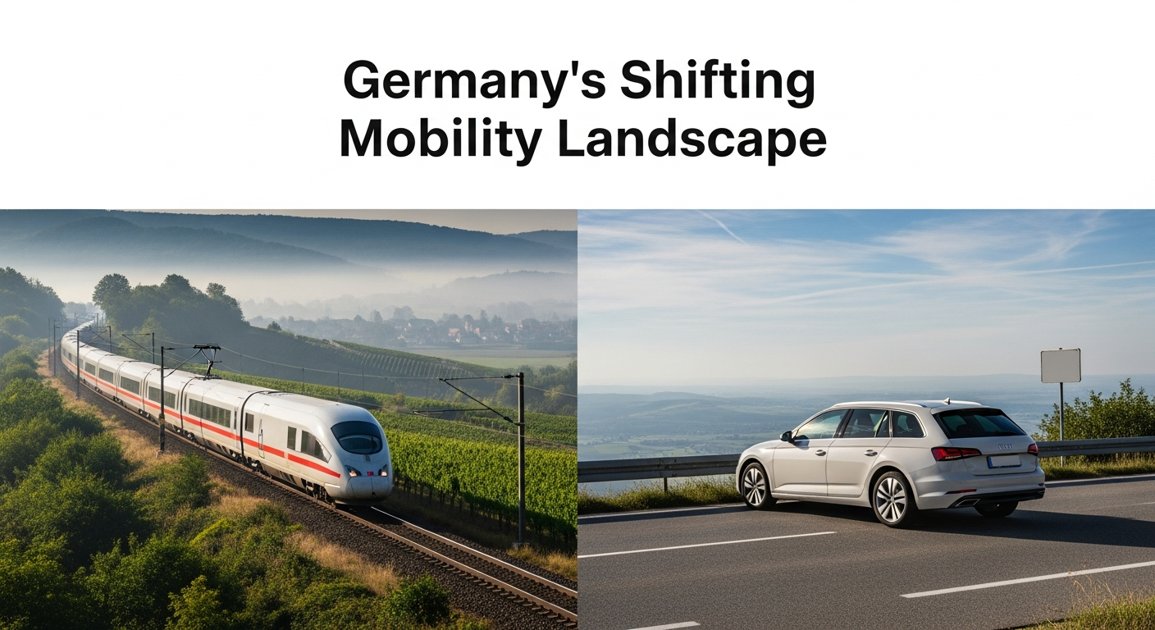
In May 2023, the German government introduced the Deutschland-Ticket, a €49 monthly pass providing unlimited access to all regional and local public transport nationwide. Marketed as a revolution in sustainable travel, it forced many residents and newcomers to ask a critical question: is it finally time to sell the car? For those relocating to Germany, the decision between relying on the 'D-Ticket' or maintaining a private vehicle involves more than just comparing a monthly subscription to a tank of gas. It requires a hard look at insurance structures, rigid inspection standards, and the bureaucratic costs of German car ownership.
The Monthly Math: Deutschland-Ticket vs. Private Vehicle
The financial appeal of the Deutschland-Ticket is straightforward. For €588 per year, you have a flat rate for commuting. In contrast, the average German driver spends significantly more. According to ADAC (the German Automobile Association), even a small car like a Volkswagen Polo costs roughly €450 to €550 per month when factoring in depreciation, fixed costs, and fuel.
Fixed Costs of German Car Ownership
- Vehicle Tax (Kraftfahrzeugsteuer): This annual tax is based on engine displacement and CO2 emissions. Owners of older diesel cars can expect to pay significantly more than those with modern hybrids.
- Insurance (Kfz-Versicherung): Germany requires third-party liability insurance at a minimum. For expats without a recorded 'no-claims' history in Europe, premiums start high. Expect to pay between €400 and €1,000 annually depending on your coverage level (Haftpflicht, Teilkasko, or Vollkasko).
- The TÜV Inspection: Every two years, vehicles must pass a rigorous technical inspection (Hauptuntersuchung). While the test itself costs approximately €150, the required repairs to meet German safety standards can easily reach into the thousands for older models.
Maintenance and Operating Expenses
Fuel prices in Germany are among the highest in Europe, frequently fluctuating between €1.70 and €1.90 per liter. Additionally, parking in major cities like Munich, Berlin, or Hamburg is no longer a given. Resident parking permits (Anwohnerparkausweis) are increasing in price, and commercial garage spots can cost upwards of €150 per month in central districts.
Step-by-Step Cost Comparison
- Calculate your commute: If your daily round trip is under 50km and reachable by regional train (RE) or S-Bahn, the D-Ticket is almost always the winner.
- Audit your lifestyle: Factor in weekend trips. The D-Ticket covers regional trains but excludes high-speed ICE/IC trains. If you frequently travel long distances quickly, you must add the cost of BahnCard discounts or individual tickets.
- Assess the 'Last Mile': Use local transit apps like DB Navigator or ÖPNV-Karte to check if your home and workplace are within a 10-minute walk of a station. If you require a car for the 'last mile,' the savings of the €49 ticket diminish.
Where the Car Still Wins
Despite the savings, the Deutschland-Ticket is not a universal car-killer. In rural regions—particularly in Eastern Germany or the Bavarian countryside—transit frequency remains low. For families with multiple children or individuals with specific mobility needs, the flexibility of a car often outweighs the €400+ monthly price difference. The D-Ticket is a regional transport tool; it is designed for commuters and urban dwellers, not necessarily for those living in the 'Speckgürtel' (suburban belt) with poor infrastructure links.
Plan Your Move with Precision
Deciding between public transit and car ownership is just one of many financial hurdles when moving to Germany. The NewLife.Help comparison tool analyzes your specific destination, family size, and lifestyle needs to provide a personalized relocation report in seconds, helping you avoid overspending on transit and housing. Start Your Free Relocation Analysis
Conclusion
The Deutschland-Ticket is a powerful tool for reducing the cost of living in Germany, but it requires a lifestyle shift. For urban professionals and solo movers, it effectively eliminates the need for a private vehicle, saving thousands of euros annually in insurance, taxes, and TÜV fees. However, if you live outside a major transit hub, the car remains a necessary, albeit expensive, utility. Evaluate your specific location and commute data before committing to a vehicle purchase in the German market.