Is Shipping Your Life to an Island Actually Worth It? A Data-Driven Guide to Mauritius Port Logistics, Duty-Free Schemes, and Local Sourcing Costs
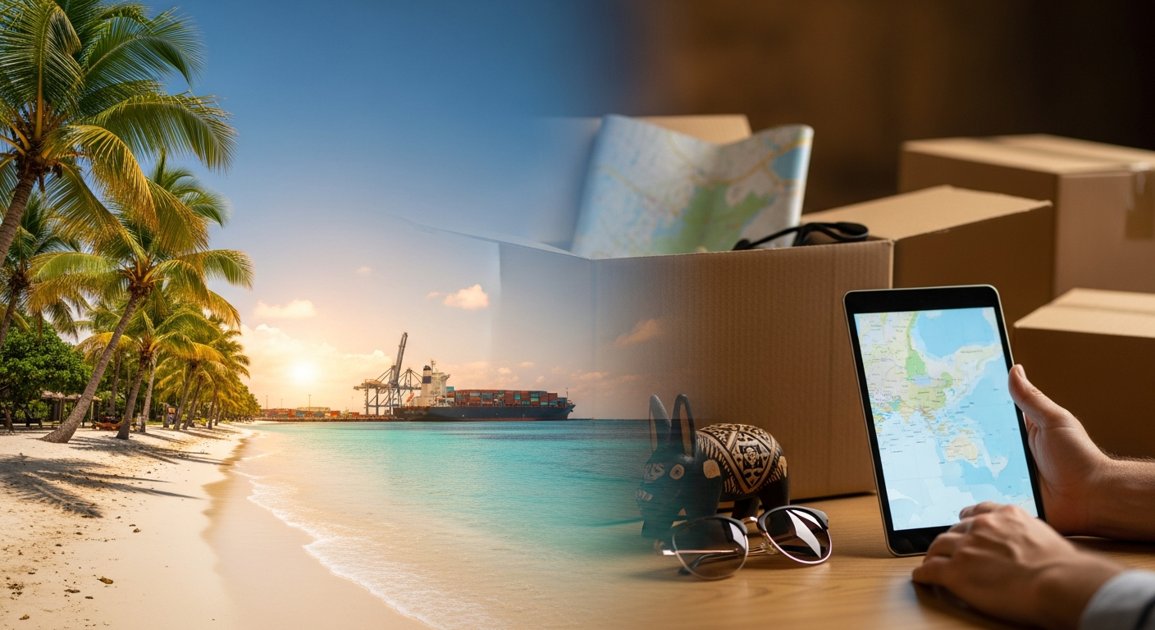
The Logistical Reality of Relocating to Mauritius
Relocating to an island nation 2,000 kilometers off the southeast coast of Africa involves more than just selecting a villa in Grand Baie or Tamarin. For most expats, the first major financial hurdle is deciding whether to ship a lifetime of belongings or start fresh with local purchases. While the emotional pull of keeping your furniture is strong, the data suggests that the 'worth' of shipping is highly dependent on your specific residency permit, the age of your goods, and your tolerance for Port Louis bureaucracy.
The Financial Breakdown: Shipping Costs vs. Local Procurement
Shipping a 20-foot container from Europe or South Africa typically costs between $4,000 and $7,500, depending on fuel surcharges and port congestion. This does not include marine insurance (usually 1.5% to 3% of declared value) or local destination charges in Mauritius. When comparing this to local sourcing, you must account for the 'Island Premium.' Mauritius imports approximately 80% of its manufactured goods, meaning high-quality furniture and appliances often carry a 30% to 50% markup compared to mainland prices.
Key Cost Factors to Evaluate:
- Volume and Weight: Ocean freight is priced by volume (CBM), while inland haulage is often priced by weight.
- Replacement Value: Inventory your current home. If your furniture is flat-pack or mid-range, the cost of shipping often exceeds its depreciated value.
- Depreciation vs. Appreciation: High-end, solid wood pieces or specialized kitchen equipment are difficult to find locally and expensive to replace, making them prime candidates for shipping.
The EDB Duty-Free Scheme: Myths vs. Reality
The Economic Development Board (EDB) offers duty-free exemptions for household effects, but the criteria are strict. To qualify, you must hold a valid Occupation Permit (OP) or a Residence Permit. A common misconception is that all items in your container enter tax-free. In reality, the Mauritius Revenue Authority (MRA) applies specific filters:
- The Six-Month Rule: Items must have been in your possession for at least six months prior to shipping. Brand-new items are subject to Customs Duty and 15% VAT.
- The Timeline: You must import your goods within six months of your permit being issued. Missing this window can result in the loss of all exemptions.
- Restricted Items: Motorized vehicles, drones, and large quantities of alcohol are excluded from standard household effect exemptions and require separate, often complex, import permits.
Navigating Port Louis: Logistics and Timelines
Port Louis is the single point of entry for containerized cargo. While it is a modernized facility, the customs clearance process is rarely instantaneous. Expect your goods to sit in the port for 5 to 10 working days after the vessel berths. This delay is often due to the coordination required between the shipping line, the MRA, and the health or veterinary authorities if you are shipping specific materials.
Step-by-Step Clearance Process:
- Documentation Prep: Ensure your Bill of Lading, Packing List (with values per item), and Occupation Permit copies are handed to your clearing agent 72 hours before arrival.
- The Examination: The MRA performs physical inspections on roughly 30% of expat containers. If your container is flagged for 'Red Lane' inspection, add 3 days to your timeline and $200–$500 in handling fees.
- Delivery: Once cleared, the container is hauled to your residence. Note that many residential complexes in Mauritius have narrow gates; you may need to pay for a 'trans-loading' service where goods are moved from a 20-foot container into smaller trucks.
Local Sourcing Costs: What to Expect
If you choose to buy locally, you will find three tiers of retail. High-end showrooms in Bagatelle or the North offer international brands at a significant premium. Middle-market retailers like TFP or J Kalachand provide more affordable options, though styles may be limited. For those on a budget, local carpenters can custom-build solid wood furniture (Teak or Meranti), which is often more cost-effective and durable in the tropical humidity than imported MDF-based furniture.
Plan Your Move with Precision
Determining the most cost-effective way to relocate requires analyzing current freight rates against local retail data. The NewLife.Help comparison tool simplifies this process by calculating your potential savings based on your current location and inventory list, providing a personalized relocation report in seconds.
Start Your Free Relocation Analysis
Conclusion
Shipping your life to Mauritius is worth it only if your household inventory consists of high-value, used items that satisfy the EDB’s six-month ownership requirement. For those with mid-range furniture or those moving from regions with high freight volatility, selling your belongings and purchasing locally—or opting for a custom-built approach with Mauritian artisans—is frequently the more pragmatic financial choice. Success lies in calculating the total landed cost, including port fees and taxes, before signing a contract with a freight forwarder.