Is Owning a Car in Estonia a Financial Mistake? A Data-Driven Guide to Free Transit, Ride-Sharing Giants, and Micro-Mobility Costs
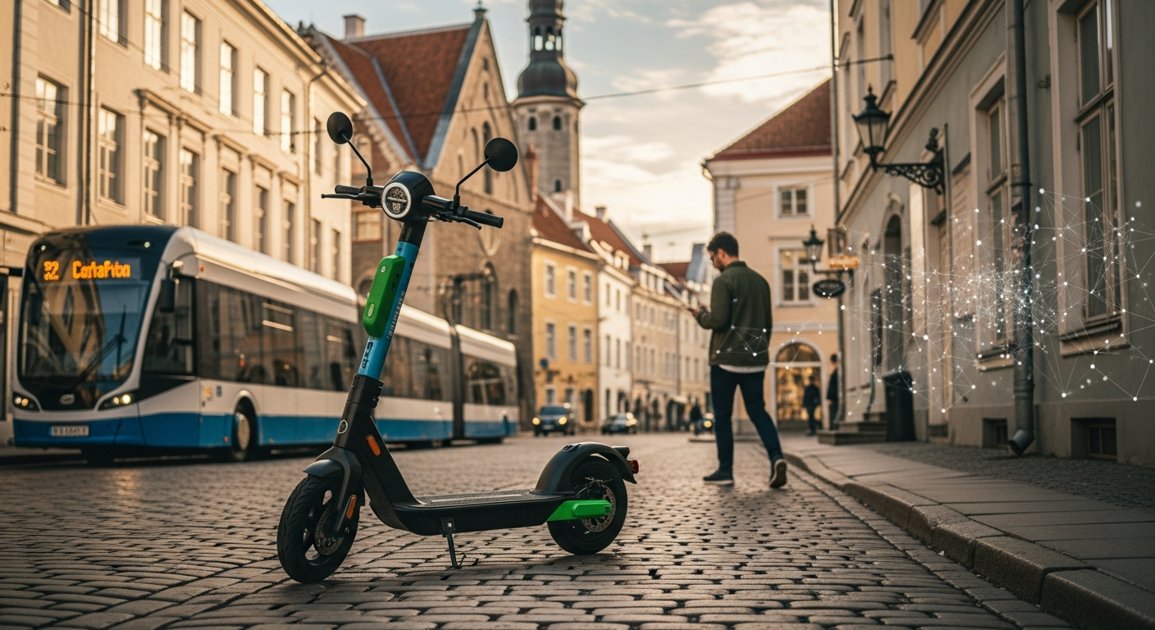
Estonia is often cited as a digital utopia, but for new residents, the most immediate innovation isn’t the e-residency—it’s the transport infrastructure. Tallinn became the first European capital to offer free public transport to its residents in 2013, fundamentally altering the financial logic of vehicle ownership. For an expat or a relocating professional, the question is no longer just about convenience; it is about whether a private vehicle is a calculated asset or a depreciating liability in a country designed to function without one.
The Real Cost of Car Ownership in Estonia
While car prices in Estonia are comparable to the EU average, the secondary costs of maintenance and regulation add up quickly. To determine the true cost, you must look beyond the monthly lease payment.
Fixed and Variable Expenses
- Mandatory Insurance (Liikluskindlustus): Every vehicle must have traffic insurance. Prices fluctuate based on your driving history and the vehicle's power, but expect to pay between €150 and €450 annually.
- Voluntary Insurance (Kasko): Highly recommended for newer vehicles to cover theft or self-inflicted damage. This can add €400 to €800 per year.
- Winter Tire Mandate: Estonian law requires winter tires from December 1st to March 1st. A quality set costs €300–€600, plus the cost of biannual tire changes (roughly €40–€80 per session).
- Parking: In Tallinn’s city center (Kesklinn), parking is expensive. A monthly resident permit costs around €120 per year, but if you do not have a dedicated spot, hourly rates in the 'Südalinn' zone can reach €6.00 per hour.
- Fuel and Maintenance: With petrol prices often hovering between €1.60 and €1.90 per liter, a daily commute can easily cost €150 per month in fuel alone.
The Tallinner Advantage: Free Public Transportation
If you register your place of residence in Tallinn, public transport is free. This includes buses, trams, and trolleys. For many residents, this removes the need for a primary vehicle entirely.
How to Access Free Transit
- Register Residency: Ensure your address is officially registered in the Estonian Population Register as being in Tallinn.
- Obtain a Smartcard (Ühiskaart): Purchase a green card at any R-Kiosk for €2.
- Personalize the Card: Link the card to your Estonian ID code online or at a service point. This step is what validates your right to free travel.
- Validate Every Trip: You must tap your card on the orange validators upon entering the vehicle, even though the fare is zero.
The Bolt Factor: Ride-Hailing and Car-Sharing
Estonia is the home of Bolt, and the density of their services in urban areas is a significant factor in the car-ownership debate. The ecosystem provides three main alternatives to owning a car:
1. Bolt Ride-Hailing
In Tallinn, a ride across the city rarely exceeds €7 to €12. If you only need a car twice a week, your monthly spend would be approximately €80—significantly less than the depreciation and insurance on a private vehicle.
2. Bolt Drive (Car Sharing)
For grocery hauls or weekend trips, Bolt Drive offers vehicles parked on the street that you can rent via the app. Prices include fuel and insurance. Rates often start at €0.07 per minute and €0.15 per kilometer, making a two-hour trip to a nearby national park cost roughly €25.
3. Micro-Mobility
During the warmer months (April to October), electric scooters are ubiquitous. They are ideal for 'last-mile' connectivity, costing approximately €1 to €3 per trip. This eliminates the need for a car for short urban hops.
Comparison: Ownership vs. Alternative Transit
For a resident living and working in Tallinn, the numbers usually favor the ecosystem over the engine. A modest car (lease + insurance + fuel + parking) costs roughly €500–€700 per month. Conversely, a lifestyle using free public transport supplemented by four Bolt Drive rentals and ten ride-hail trips per month totals approximately €150–€200.
Ownership only becomes financially logical if you live in rural areas (like Saaremaa or parts of Southern Estonia) where transit frequency is low, or if you have a large family requiring multiple stops at schools and extracurricular activities outside the central transit hubs.
Plan Your Move with Precision
Navigating the financial landscape of a new country requires more than general estimates; it requires data tailored to your specific situation. The NewLife.Help comparison tool analyzes your relocation variables to provide a personalized report on living costs, transport options, and administrative requirements in seconds. Use this tool to ensure your move to Estonia is backed by financial clarity.
Start Your Free Relocation Analysis
Conclusion
Owning a car in Estonia's urban centers is increasingly a luxury rather than a necessity. The combination of free public transport and a robust, locally-dominant sharing economy provides a level of mobility that is both cheaper and more flexible than traditional ownership. Unless your lifestyle demands frequent long-distance travel to remote regions, the data suggests that your capital is better invested elsewhere than in a driveway.