Is it Cheaper to Buy Local or Ship Your Life? A Data-Driven Guide to DR’s 'Mudanza' Tax Exemptions, Port Handling Fees, and Household Replacement Costs
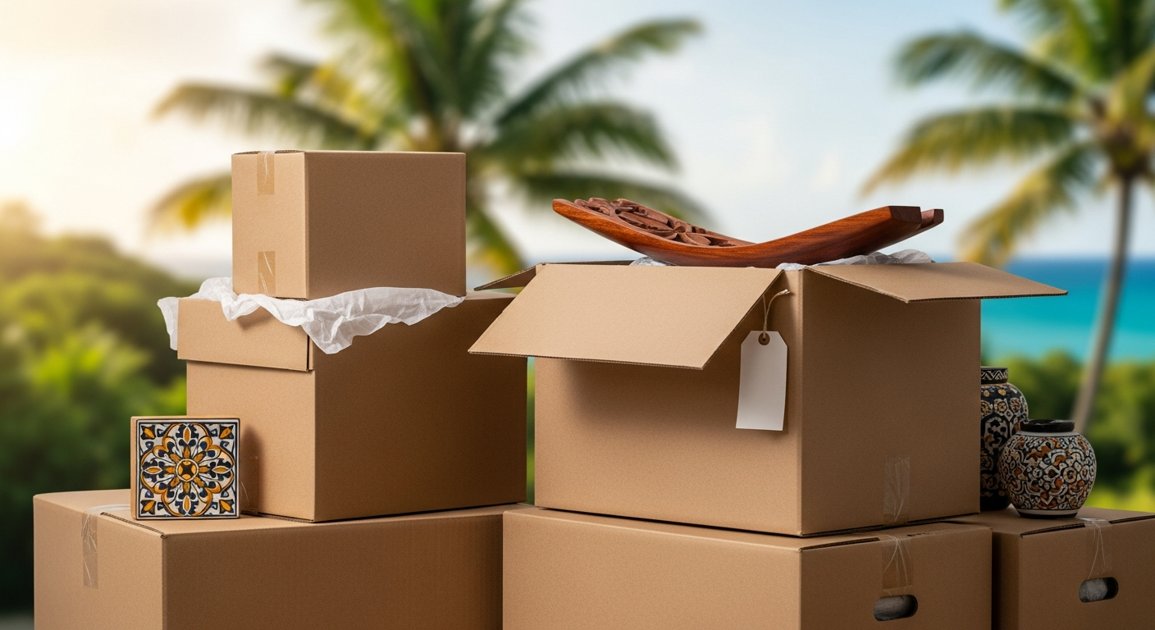
Deciding whether to pack a 40-foot container or sell everything and start fresh is the first major financial hurdle for anyone moving to the Dominican Republic. While the idea of a blank slate is appealing, the reality involves a complex calculation of import laws, port logistics, and the local cost of retail goods. This guide breaks down the numbers to help you determine which path preserves your capital.
Understanding Law 168-67: The 'Mudanza' Exemption
The Dominican Republic offers a significant incentive for new residents and returning citizens through Law 168-67. This law allows for the tax-free import of household goods (mudanza). However, this is not an automatic right; it is a regulated process with specific criteria.
Qualifying for the Exemption
- Proof of Residence: You must have a valid residency visa or be a returning Dominican citizen who has lived abroad for at least two consecutive years.
- Ownership Period: Items must be used and owned by you for a minimum of two years. Bringing brand-new items in original packaging can lead to the exemption being voided for those specific goods.
- One-Time Use: The exemption is generally granted once per family.
While the law waives the 18% ITBIS (sales tax) and standard customs duties, it does not exempt you from administrative fees, which leads us to the reality of the ports.
The Hidden Costs at Haina and Caucedo
Even with a tax exemption, "free" is never truly free. Most containers arrive via Puerto de Haina or Puerto Caucedo. Understanding the fee structure at these locations is vital for your budget.
Common Port and Handling Fees
- Verification Fees: Customs officers must inspect the container to ensure the contents match the manifest. Expect to pay for the labor and processing of this inspection.
- Storage (Demurrage): Ports offer a limited number of "free days" (usually 5 to 7). If your paperwork is delayed—which is common—daily storage fees escalate quickly.
- Port Handling Charges: These are fees charged by the terminal operator for moving the container from the ship to the inspection area and finally onto a truck.
- Customs Broker Fees: Navigating the DGA (Dirección General de Aduanas) without a licensed broker is nearly impossible. Professional fees typically range from $500 to $1,500 depending on the complexity of the shipment.
Buying Local: The Replacement Cost Reality
If you choose to buy local, you avoid the logistics of shipping but face the "Imported Goods Premium." Most high-quality furniture and appliances in the Dominican Republic are imported, meaning the retail price already includes shipping and the 18% ITBIS tax.
Price Comparisons
- Large Appliances: A high-end refrigerator or washing machine in the DR can cost 30% to 50% more than in the US or Europe due to luxury taxes and shipping overhead.
- Furniture: While IKEA has a strong presence in Santo Domingo for budget options, solid wood or designer furniture is expensive. If you already own high-quality mahogany or teak pieces, shipping them is almost always more cost-effective than replacing them locally.
- Electronics: Small electronics are easily available, but specialized home theater equipment or high-end computers carry a significant markup.
The Decision Matrix: When to Ship vs. When to Sell
To make an informed choice, follow this step-by-step evaluation:
- Inventory Value: Estimate the total replacement cost of your current home in the DR. If that number exceeds $15,000 and your items are high-quality, shipping becomes viable.
- Shipping Quotes: Obtain a door-to-port quote. For a 20-foot container from the US East Coast, expect $3,000–$5,000. From Europe, expect $5,000–$8,000.
- Factor in Port Fees: Add a minimum of $2,000 to your shipping quote to cover brokers, handling, and local transport from the port to your new home.
- The Sentimentality Factor: If your furniture consists of family heirlooms or custom pieces, the cost of shipping is secondary to the impossibility of replacement.
Plan Your Move with Precision
The financial variables of a move to the Dominican Republic change based on your point of origin, the volume of your goods, and your residency status. The NewLife.Help comparison tool simplifies this process by analyzing current shipping rates, port fees, and local retail data to provide a personalized relocation report in seconds, helping you decide exactly what to pack and what to leave behind.
Start Your Free Relocation Analysis
Conclusion
Shipping your life to the Dominican Republic is a logistical hurdle, but for many, it remains the most economical way to maintain their standard of living. By leveraging Law 168-67 and accounting for port fees at Haina or Caucedo, you can avoid unexpected expenses. Conversely, if your belongings are easily replaceable and lack sentimental value, the freedom of buying local allows you to support the local economy and avoid the month-long wait for your container to clear customs. Balance your inventory value against the hard costs of the port to make the move that best fits your financial strategy.